The Story
Why it exists.
The beginning
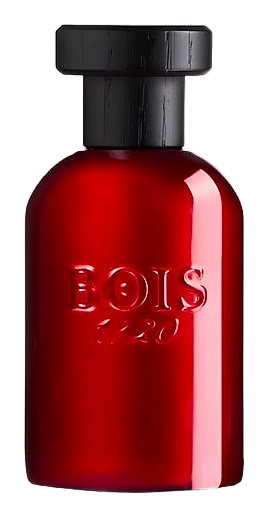
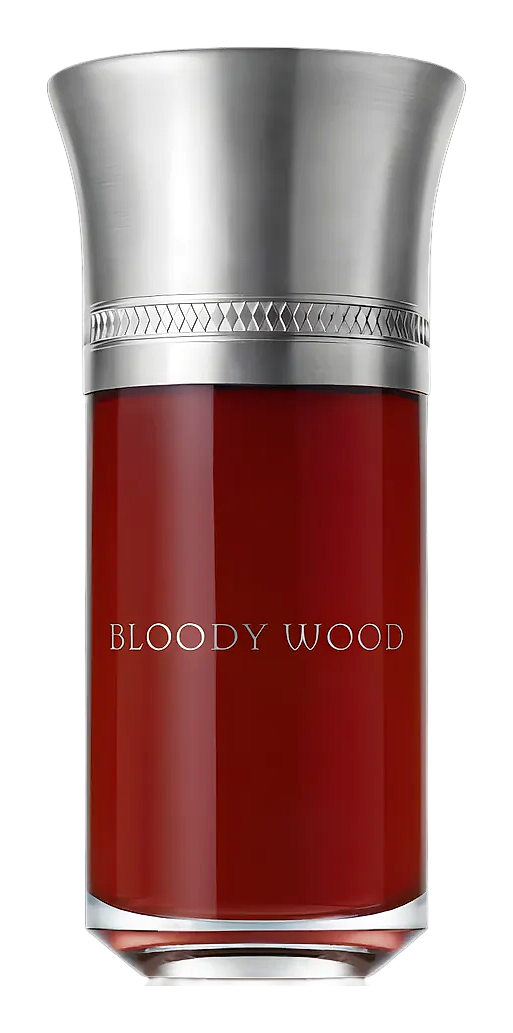
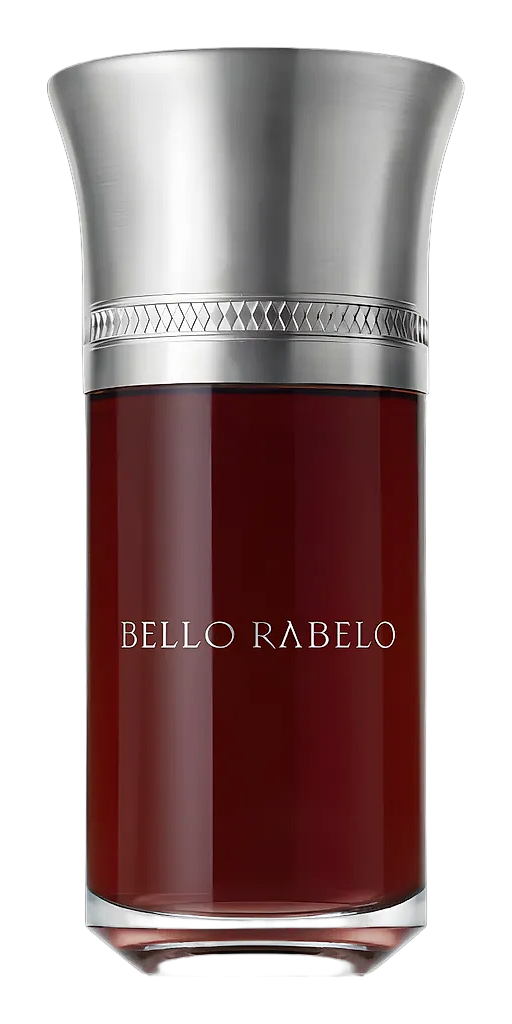
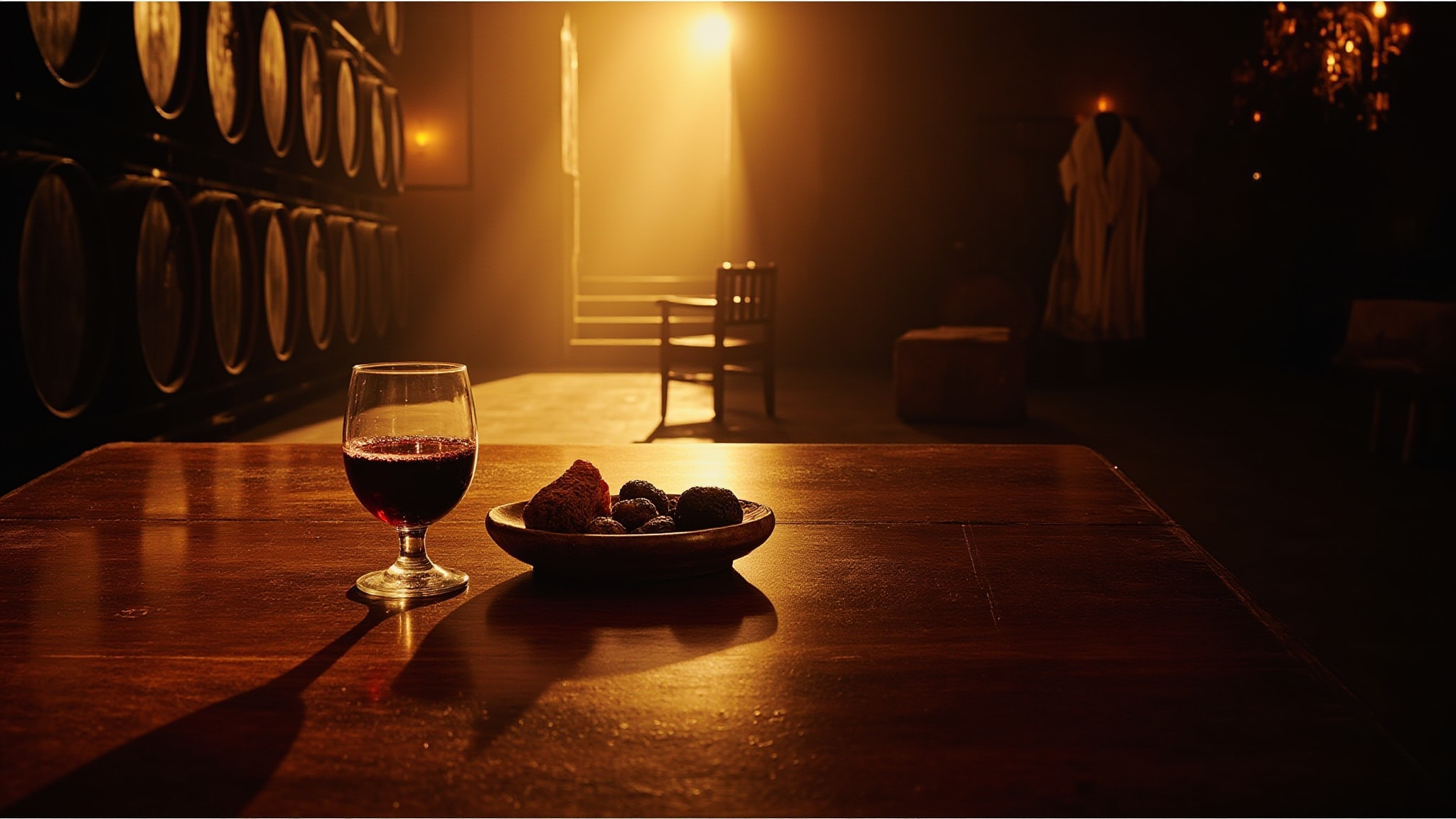
Bello Rabelo takes its name from the traditional Portuguese flat-bottomed boats that once navigated the Douro River, ferrying casks of port wine from the vineyards to the lodges of Porto. It's a reference that fits perfectly within the Les Eaux Sanguines collection, Eaux Sanguines suggesting something rich, wine-dark, and deeply rooted in European tradition. The Douro has long been the artery of Portuguese winemaking, and the scent of that river carries memory: the musty smell of cellars, the warmth of sun hitting stone walls near the water, the quiet weight of wooden barrels. When you encounter this fragrance, the connection to that place is immediate. The wine-dark richness arrives first, followed by something deeper, as if the entire valley were pressed into a bottle.
What makes this composition distinctive is that the wine note isn't a decorative flourish, it's the structure. The port wine accord opens the fragrance with an almost fermented intensity, a darkness that suggests something aged in oak rather than merely scented to evoke wine. Dried fruits arrive not as sweetness but as concentration, the natural sweetness of fruit that has spent time becoming something else. Immortelle introduces an herbal, slightly medicinal note that creates an unexpected tension with the wine's warmth. This isn't the predictable wine-cellar comfort; it's the complexity that makes you stop and reconsider what you're actually smelling.
The evolution
The opening announces itself with the wine, dark and unapologetic, the kind you'd pour into a heavy glass, not a fluted one. Dried fruits arrive next, not as candied sweetness but as aged companions, the kind that have been sitting in a cool cellar becoming something concentrated. The heart introduces immortelle and labdanum, which add an herbal quality that can feel slightly medicinal, almost savory. This is where the fragrance either pulls you in or gives you pause. Some find this complexity fascinating; others find it unsettling. The wine accord doesn't fade. It deepens. The woody base finally surfaces, blending warmth and structure into the composition, while benzoin and vanilla provide the cushioning finish that carries the final hours on skin. Immortelle lingers too, a reminder that this is about complexity, not just sweetness.
Cultural impact
The 2013 launch of Bello Rabelo tied directly into Portuguese winemaking heritage, named after the traditional flatboats that carried port wine down the Douro River from the Douro Valley vineyards to the cellars of Porto. These rabelo boats, once the backbone of the port wine trade, became symbols of a living tradition that still shapes Portuguese identity. The fragrance captured something about how scent and culture intertwine, using wine not just as an ingredient but as a conceptual framework for understanding place and history.