The Story
Why it exists.
The beginning
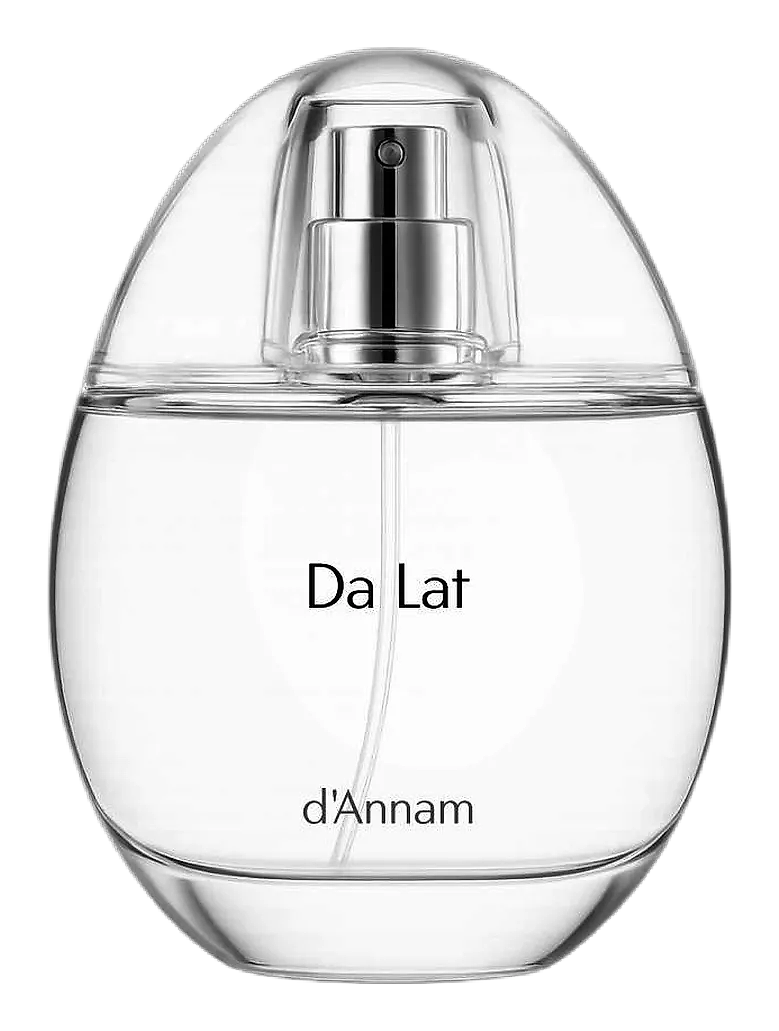
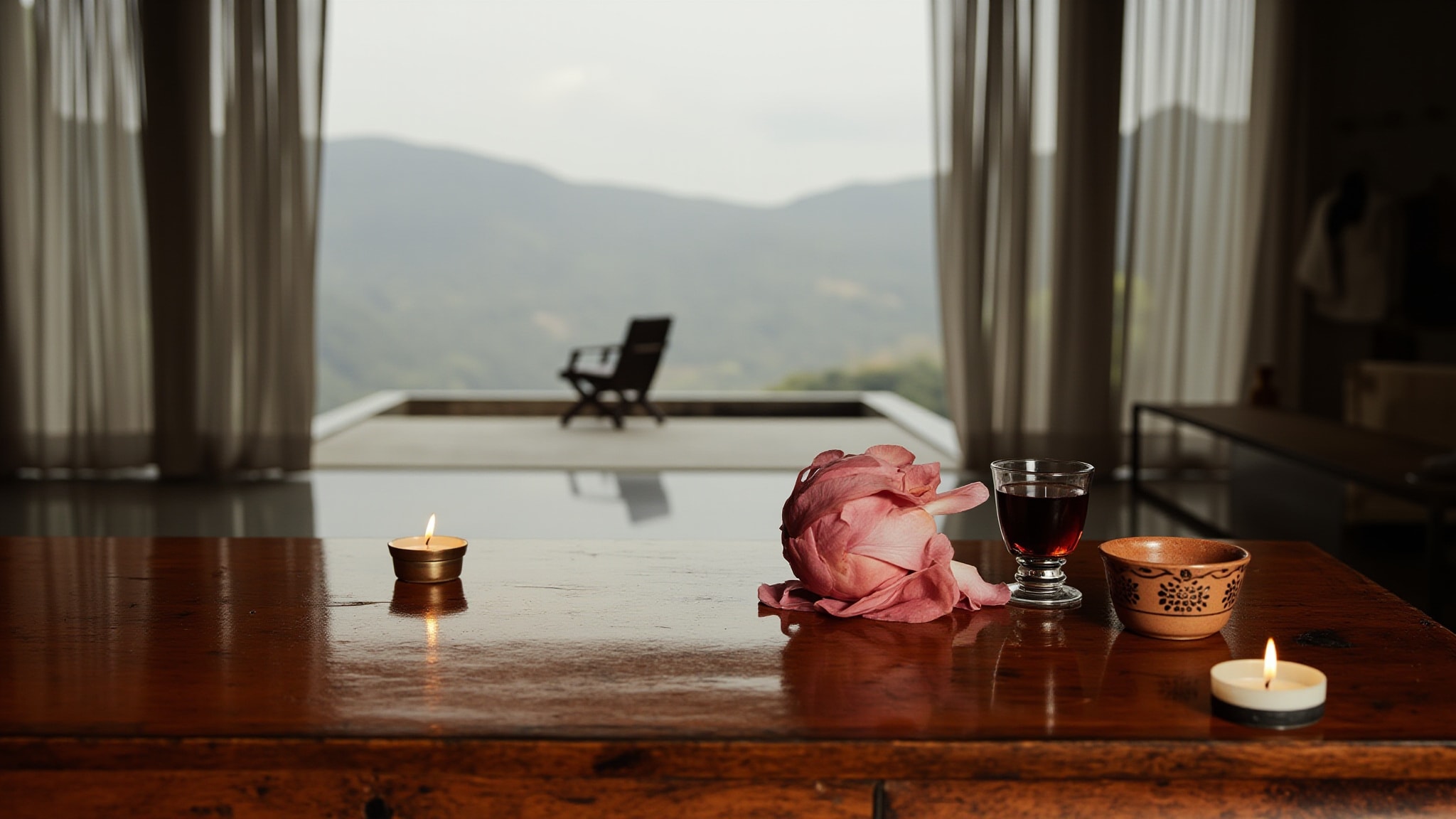
Da Lat takes its name from a city in Vietnam's central highlands, a place famous for pine forests, year-round mild weather, and the kind of quiet that makes strangers fall in love. The brand named this fragrance after it because the city itself is a contradiction, cool air and warm hearts, mist and romance. Perfumer Anh Ngo built the composition around the idea of love letters: something opened slowly, read differently at the end than at the beginning. The wine and juniper in the opening are the crisp envelope. The rose heart is the first line you'll reread.
What makes Da Lat unusual is the structural honesty. Red wine as a top note in floral fragrance isn't common, it reads tart, almost sour when it first hits skin, almost jarring against the expected softness. But that's exactly why it works. The wine doesn't sweeten through the journey. It lifts and introduces the rose like a cold surprise, then steps back once the florals settle in. By the time cedar and musk take over in the drydown, the whole thing has a stamina most florals lack. The cypriol oil, nagarmotha, adds that quietly earthy, smoky undertone that means the romance doesn't end with the florals. It deepens instead.
The evolution
The opening hits sharp and vinous. Juniper and red wine arrive together, the kind of crisp that could cut glass. The cypress adds a faint evergreen lift that keeps everything airy. Then around the thirty-minute mark, the florals step in. Rose and magnolia, with peony hovering somewhere between them. It's still airy but softer, more intimate. The wine note doesn't disappear, it becomes the glass you're still holding rather than the drink itself. By hour two, the florals begin to recede and cedar moves forward, warm and quiet. Musk settles close to skin, anchoring everything that came before it. The drydown reads as soft wood and skin rather than a specific scent. Lasting six to eight hours depending on skin chemistry.
Cultural impact
Da Lat joins a small but growing set of rose interpretations that refuse to play by the traditional rules. Rather than oud or amber anchoring the usual suspects, this one uses red wine as its structural twist, a note more common in niche compositions than mainstream florals. The reception among fragrance enthusiasts mirrors the community scores: most find it distinctive enough to stand out from other rose scents in the d'Annam catalog, though the wine note splits opinion between those who find it unexpectedly harmonious and those who wanted a more conventional floral. What keeps it grounded is that the wine doesn't sweeten through the journey. It functions as architecture in the opening and then quietly disappears, leaving the florals to carry what follows.