The Story
Why it exists.
The beginning
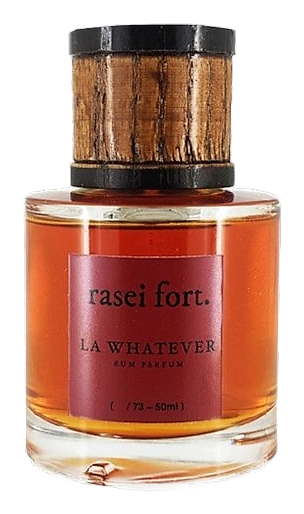
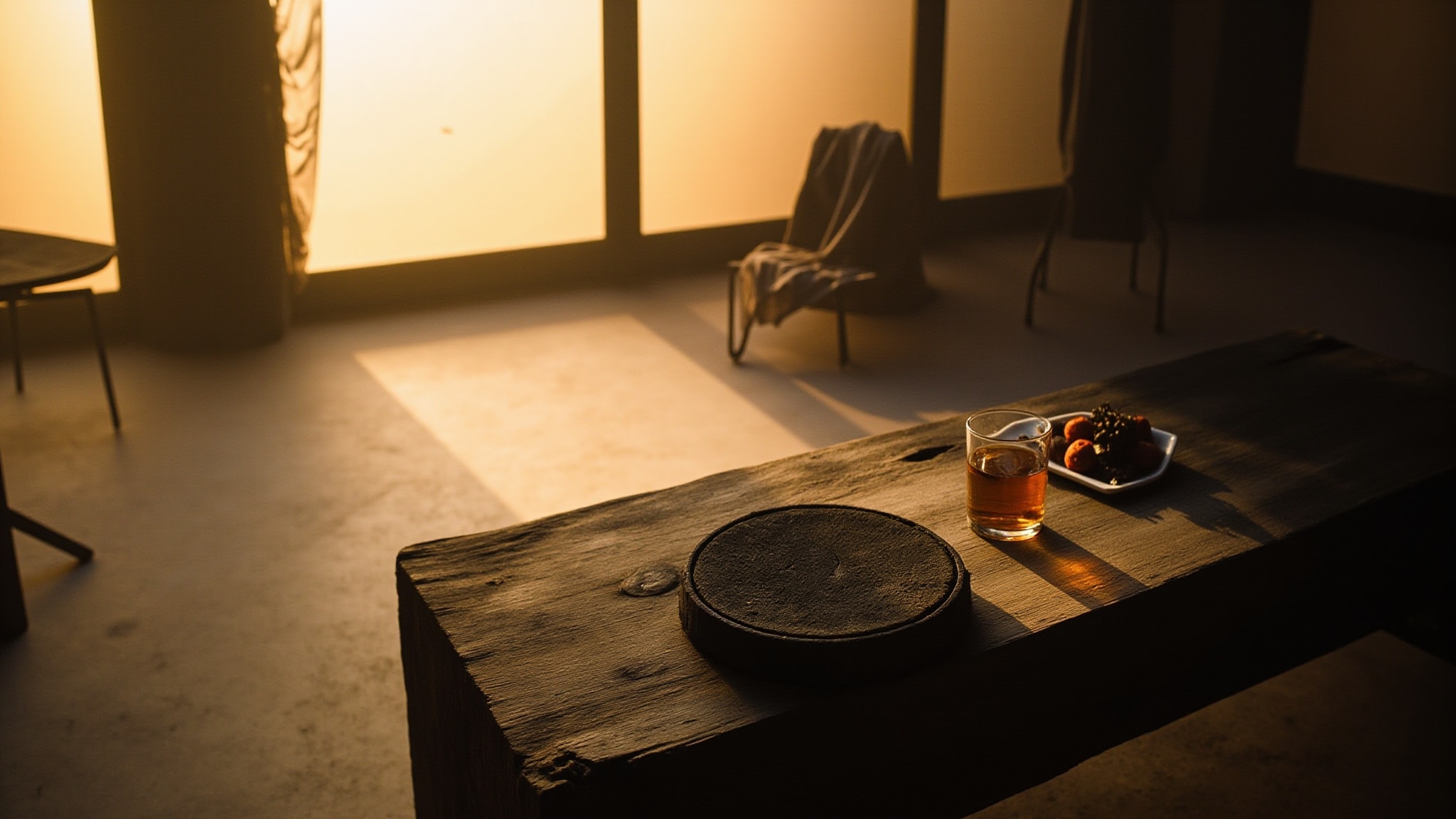
The name says it all. Rasei Fort encountered oak barrels left behind in an abandoned distillery on Cyprus, the spirits inside long evaporated, unidentifiable. Rum? Whiskey? Brandy? Wine? No one knew. The perfumer didn't try to guess. Instead, he captured what remained: the wood, the ghost of something fermented, and the particular warmth of a place where time had stopped. La Whatever is that ambiguity, distilled. Not a tribute to a specific spirit, a tribute to the mystery of one.
What makes this work is restraint within abundance. Apple brandy and rum could easily tip into confectionery territory, too sweet, too loud, too obvious. The dried fruits and vanilla pull in the opposite direction, adding depth without sweetness. Meanwhile, the oak wood and tobacco anchor everything to something grounded. Patchouli and musk complete the picture, keeping the drydown from becoming a campfire and turning it into skin instead. The result is a fragrance that smells like someone who knows what they're drinking without needing to prove it.
The evolution
The opening arrives confident. Rum and apple brandy hit together, sharp and warm, with just enough spirit to sting. Within minutes the dried fruits emerge, not fresh fruit, but the concentrated sweetness of something aged. Vanilla weaves through, softening the edges without dulling them. The oak wood appears next, not as a dry note but as a warm, slightly resinous presence. Then the tobacco arrives, followed by patchouli, a dusky, slightly smoky combination that takes over the heart. Musk lingers underneath, keeping everything close to the skin rather than projecting outward. By hour six, it's skin. By hour eight, you catch traces on your sleeve and wonder where it went.
Cultural impact
Released in 2020 as part of Rasei Fort's expanding catalogue, La Whatever occupies a specific niche: the boozy fragrance for someone who finds most spirit-inspired compositions too sweet or too literal. The brand's limited-edition approach means the fragrance has remained relatively under the radar compared to mass-market boozy flankers, a factor that appeals to collectors who prefer discovery over ubiquity.