Rasei Fort
Rasei Fort first tasted perfume on a dusty market stall in Saudi Arabia in 2005. The scent he inhaled taught him that fragrance could be crafted, not merely inherited. He chased that lesson through chemistry classes and informal apprenticeships, absorbing the language of aroma while the world still whispered that only legacy houses produced true perfume. By 2018 he launched a modest line under his own name, turning a bedroom laboratory into a small‑scale atelier. Each bottle that left his table bore a handwritten note, a habit he kept to remind buyers that scent is a personal contract. Over the next seven years he released a handful of editions, each one reflecting a new chapter of his life—travel, loss, quiet mornings in his hometown. Critics noted his willingness to experiment with raw materials that larger houses often ignore. In 2025 he announced his latest release, confirming that his creative engine still spins. Though he remains outside the traditional perfume hierarchy, his story reads like a quiet rebellion against convention, and his name now appears alongside a growing list of independent noses reshaping the industry.
The hits
Notable creations
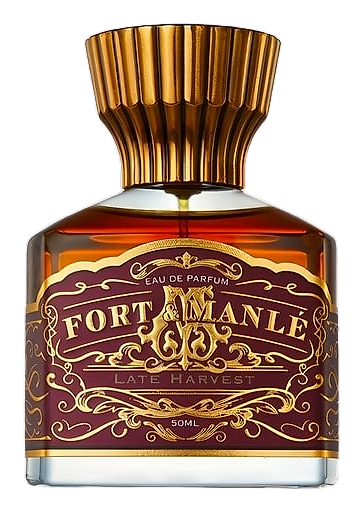
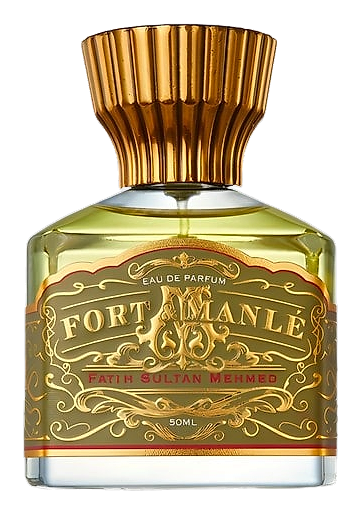
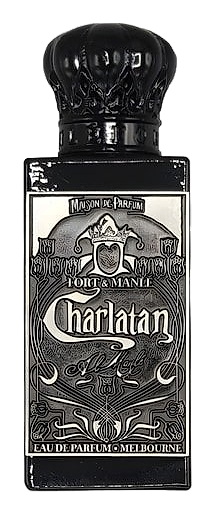
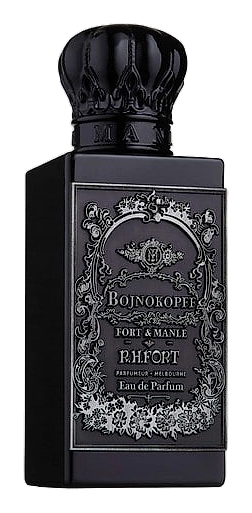
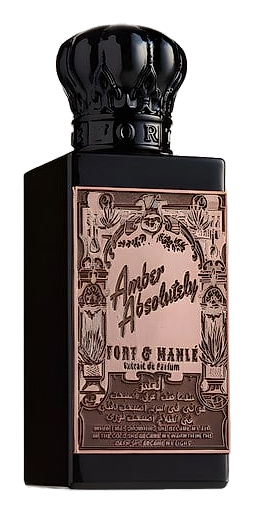
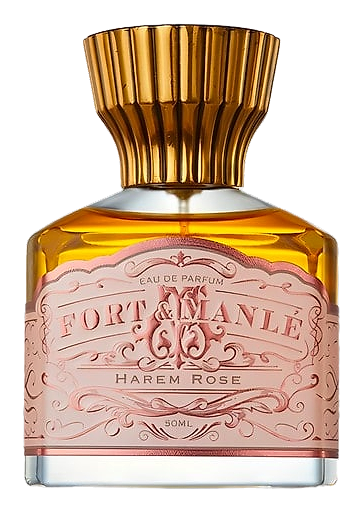
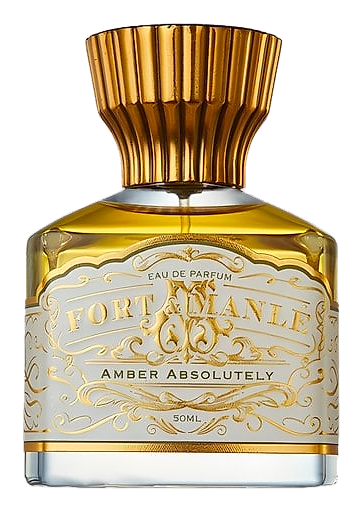
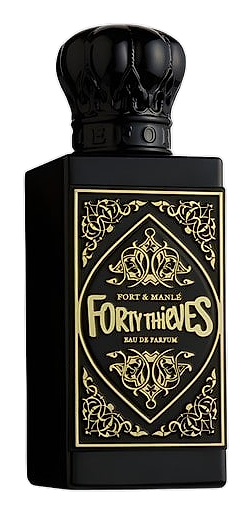
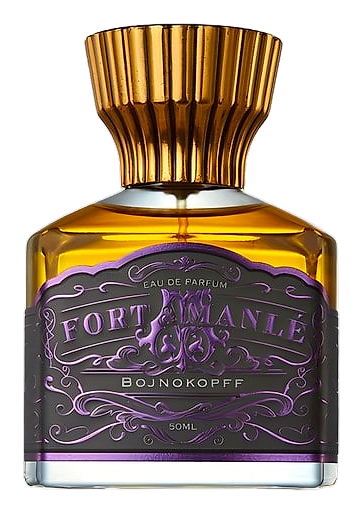
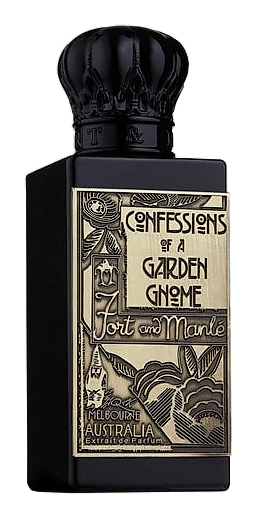
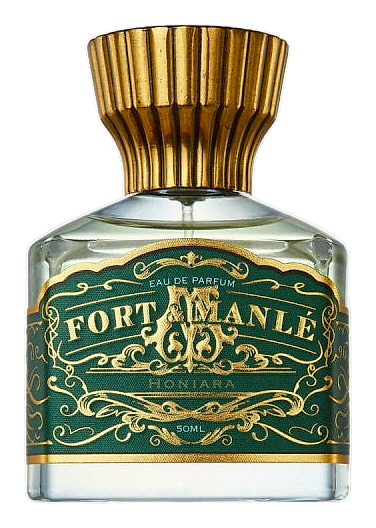
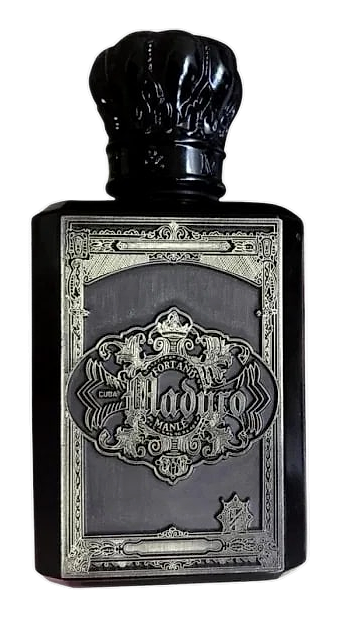
The signature
How Rasei composes
Rasei Fort favors a minimalist palette that lets a single note shine. He often starts with a natural heart—oud, frankincense, or a citrus blossom—then builds a thin veil of supporting accords. His technique relies on precise, low‑temperature distillation to preserve volatile nuances. He prefers natural extracts over synthetics, but will introduce a single lab‑crafted molecule when it fills a gap no botanical can. Texture matters; he layers ingredients to achieve a silk‑like dry‑down that evolves over hours. In his recent 2025 edition he paired a bright bergamot top with a muted ambergris base, allowing the ambergris to emerge only after the skin warms. This restraint defines his signature: clear, evolving, and unmistakably personal.
Philosophy
What drives Rasei
Rasei Fort believes that perfume should mirror the moment it captures, not merely evoke a memory. He approaches each formula as a conversation between skin and air, letting the wearer finish the story. He avoids trends that dictate what a modern scent must smell like, instead asking which ingredients feel honest under his own nose. For him, the act of blending is a form of listening—listening to the raw material, to the chemistry, to the cultural context. He credits his early exposure to market stalls for teaching him that authenticity trumps polish. This mindset drives him to source rare absolutes from small farms, to test compositions on his own wrist before sharing them, and to let each launch serve as a snapshot of his current curiosity.
The houses