
The Story
Why it exists.
The beginning
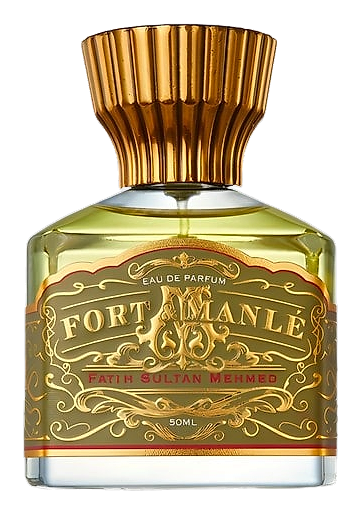
Fatih Sultan Mehmed, Mehmed the Conqueror, claimed Constantinople in 1453, ending the Byzantine Empire and reshaping the world. Fort & Manlé named this fragrance after him not as biography, but as tribute: to the grandeur of the Topkapi Palace, to the era's wealth of scent and ceremony, to the Sultan's reputation as a man of refined taste and unapologetic ambition. Rasei Fort built this composition as an olfactory portrait of that world, its gardens, its attars, its atmosphere of concentrated power and beauty. Not a history lesson. A feeling of it.
The structure is the thing here. A clean pyramid, citrus opening, powdery heart, resinous base, but the ambergris and tulip in the heart make it unusual. Tulip especially. It doesn't appear often in Western perfumery, which is a shame, because here it gives the floral heart a slightly exotic, almost cool character. The damask rose is there, yes, but the tulip keeps it from being just another rose fragrance. The oud and cedar in the base anchor everything into something that smells historically rooted but feels contemporary.
The evolution
The opening is bergamot and petitgrain, bright, slightly herbal, a crispness that stays for the first hour. The red apple fades gracefully as damask rose and iris take over, the tulip adding a cool, almost powdery edge. Ambergris arrives quietly in the heart, giving the florals a marine depth that makes the whole thing feel more complex than it first seems. This middle phase lasts 3-4 hours, and as it fades, the base begins to show: benzoin and amber first, then cedarwood and oud, the patchouli lingering longest. Musk settles close to the skin. The next morning, something warm and resinous remains, the kind of skin-scent that makes you lean in.
Cultural impact
Fatih Sultan Mehmed pays homage to the Ottoman Empire's most legendary ruler, the conqueror of Constantinople. This fragrance captures the grandeur and mystique of a pivotal historical moment. The blend of bergamot and petitgrain evokes the bustling markets of 15th century Istanbul, while the rich red apple note symbolizes the forbidden fruit of the city's gardens. It stands as a bold statement of masculine power and cultural pride.