
The Story
Why it exists.
The beginning
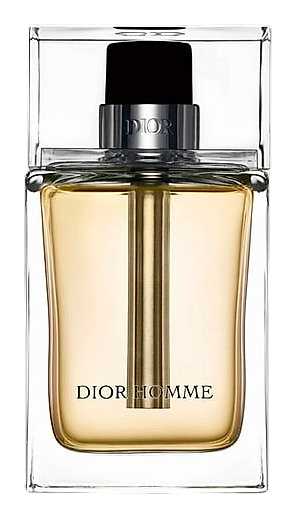
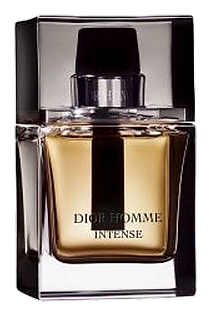
Conceived in 2011 by François Demachy, Dior Homme Original marked the house's first masculine iris in an Eau de Toilette form. The perfumer aimed to translate Dior's couture elegance into a scent that felt both sexy and woody, pairing the crispness of iris with aromatic complexity and grounding woods. The result was a fragrance that embodied masculine sophistication while challenging traditional expectations of what a men's fragrance should smell like.
The choice of iris as the opening note reflects a commitment to sophisticated coolness, iris offering both powdery softness and a certain metallic crispness that feels modern. Cardamom was selected to provide aromatic warmth without overwhelming the delicate iris, its complex profile adding depth that rewards attention. The vetiver base ensures the fragrance remains grounded, its earthy, smoky character offering contrast to the powdery opening while maintaining overall elegance.
The evolution
The iris opening sets an immediate tone of refined elegance, establishing the cool, powdery character that defines the fragrance's identity. As time progresses, cardamom enters as a bridge between the airy iris and the earthy vetiver, adding warmth and complexity. This middle phase is where the fragrance reveals its unexpected depth, the spice of cardamom giving the composition an unexpected edge that prevents it from feeling merely pretty. The progression toward vetiver brings the fragrance full circle, introducing the woody, smoky depth that anchors the lighter opening notes and creates a satisfying conclusion.
Cultural impact
Since its 2011 debut, Dior Homme Original has become a reference point for modern masculine iris fragrances, often cited by enthusiasts as the benchmark that blends powdery elegance with a woody, leather‑tinged edge. Its influence extended beyond niche circles, inspiring a wave of iris‑centric releases from both luxury houses and independent perfumers, and it continues to be cited in fragrance forums as a benchmark for modern masculinity.