The Heritage
The Story of Rasei Fort
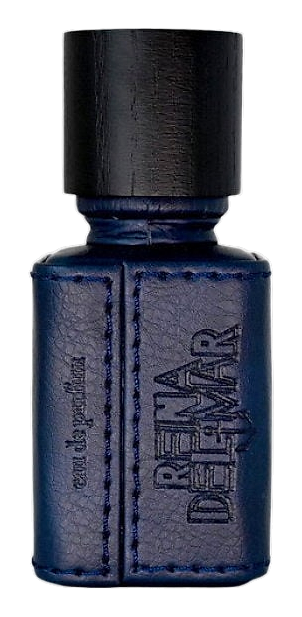
Rasei Fort emerged in 2019 as the creative arm of the independent perfume house Fort & Manlé. The label produces limited‑edition scents that draw on rare raw materials and a personal narrative that blends Turkish heritage with contemporary olfactory research. Each launch arrives in a modest batch, encouraging collectors to experience a moment rather than a mass‑market product. The brand’s catalogue, which began with the 2018 edition Kolonya, now spans more than a dozen releases, ranging from the citrus‑forward English Cologne (2025) to the marine‑inspired Reina Del Mar (2024). Rasei Fort positions itself as a laboratory for daring compositions, inviting curious noses to explore scent stories that feel both intimate and adventurous.
Heritage
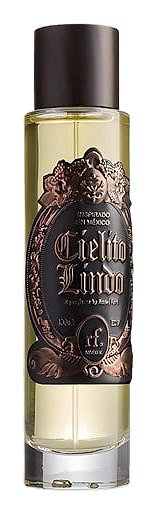
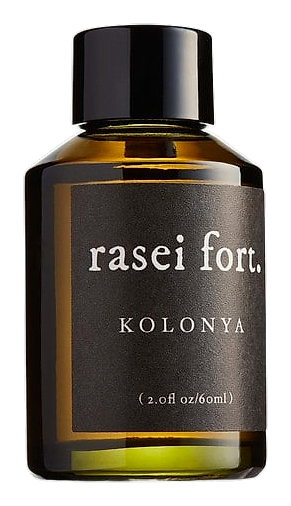
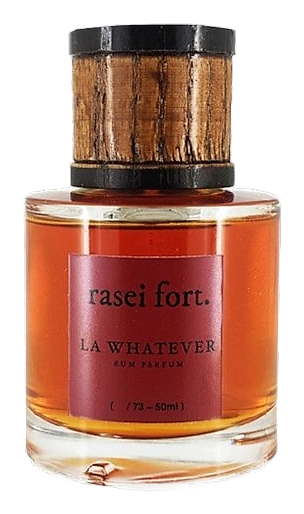
Fort & Manlé was founded in 2015 by a small group of fragrance enthusiasts who wanted to operate outside the traditional corporate structure. Four years later, Rasei Fort joined the venture as the house’s principal nose, bringing a self‑taught background and a deep connection to Turkish aromatic traditions. The first public release credited to Rasei Fort appeared in 2018 under the name Kolonya, a nod to the classic Turkish disinfectant scent that he reinterpreted with natural citrus and subtle spice notes. In 2020 the brand added two notable entries: La Whatever, a floral‑amber blend, and Cielito Lindo, a bright, green composition inspired by Mexican folk songs. The following year, Last Of D’Agar (2021) showcased an experimental use of agarwood sourced from a single Indonesian plantation, marking the brand’s first foray into rare woods. 2023 proved prolific, delivering Ismi, a tribute to personal identity, and Qahwa, a coffee‑infused aroma that referenced Istanbul’s historic cafés. 2024 saw the launch of Reina Del Mar, a marine‑oriented fragrance that used sustainably harvested seaweed absolute, and Rose Otto Mobil, a portable version of a classic rose otto accord. The most recent additions, English Cologne (2025) and Milky Bar Kid (2025), demonstrate the house’s willingness to reinterpret British cologne conventions and childhood nostalgia with a modern twist. Throughout its history, Rasei Fort has maintained a small‑batch production model, limiting each scent to a few thousand bottles and often collaborating with niche ingredient suppliers to secure unusual essences. This approach has kept the brand agile, allowing it to respond quickly to emerging trends while preserving a consistent creative voice.
Craftsmanship
Production at Rasei Fort follows a hands‑on, small‑scale model. Raw materials arrive in sealed containers, each accompanied by a certificate of origin. For rare ingredients such as agarwood or seaweed absolute, the brand works directly with harvesters who practice sustainable extraction, a detail confirmed in supplier statements posted on the brand’s site. Once the materials are received, the perfumer conducts a series of bench tests, measuring each component’s volatility and stability with gas‑chromatography equipment borrowed from a local university lab. Formulations are recorded in a leather‑bound notebook, a practice that mirrors historic perfume houses. After a formula is finalized, the blend is macerated in dark glass vessels for a period ranging from two weeks to three months, depending on the fragrance’s complexity. The aging process occurs in a temperature‑controlled room set at 20 °C, which the brand cites as optimal for preserving volatile top notes while allowing base notes to mature. Quality control includes blind scent panels composed of industry professionals and long‑time customers; each panel evaluates balance, longevity, and projection. Bottles are hand‑filled in a small workshop in Istanbul, where artisans cap each vial, affix a hand‑stamped label, and place the product in a custom‑cut wooden box. The packaging uses recycled glass and biodegradable cardboard, reflecting the brand’s environmental awareness. Final shipments are tracked with batch numbers that correspond to the ingredient certificates, ensuring traceability from field to consumer.
Design Language
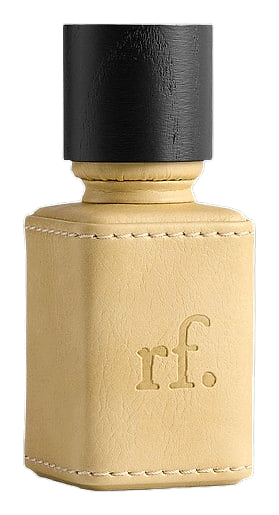
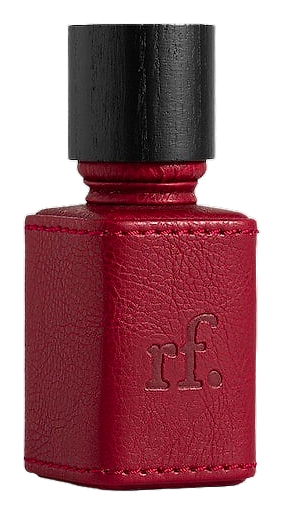
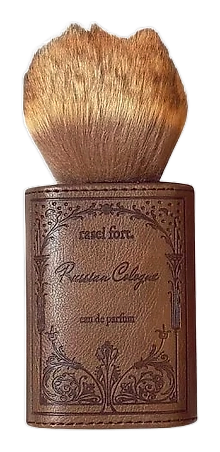
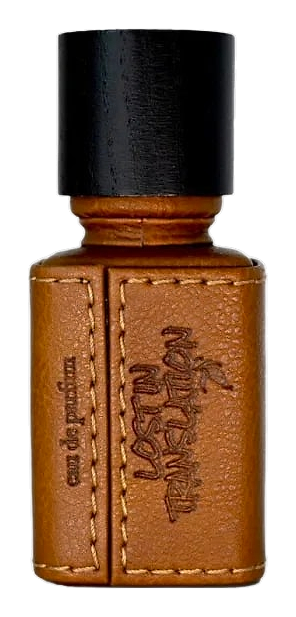
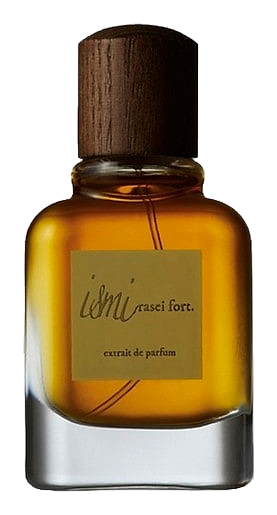
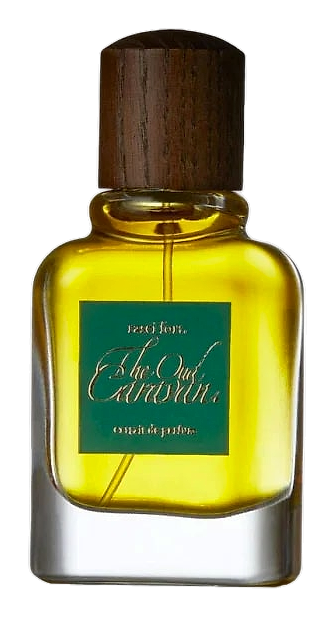
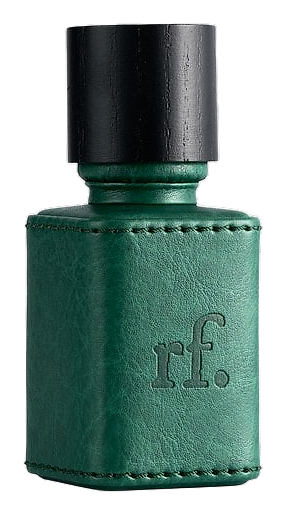
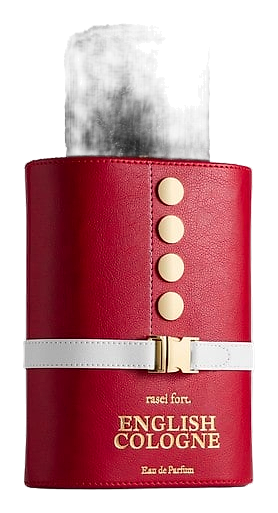
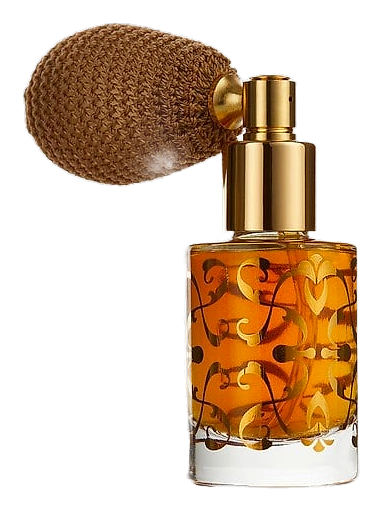
The visual language of Rasei Fort mirrors its olfactory restraint. Bottles feature a simple, cylindrical shape with a matte black finish, a design choice that avoids ornamental excess and lets the scent speak for itself. The brand’s logo, a stylized “R” rendered in a thin, sans‑serif typeface, appears in silver foil on the front of each label. Labels themselves are printed on uncoated, off‑white paper, allowing the natural color of the perfume to show through the transparent glass. For limited editions, the brand occasionally introduces a subtle accent, such as a thin copper band on the neck of the bottle for the 2023 Ismi release, referencing the copper markets of Istanbul. The packaging box follows the same minimalist ethos: a rigid, dark‑gray cardboard sleeve with a single embossed line drawing that hints at the fragrance’s inspiration—waves for Reina Del Mar, coffee beans for Qahwa. Marketing imagery relies on natural light and close‑up photography of the raw ingredients, rather than staged studio shots. Social media posts often show the perfumer in a workshop setting, surrounded by raw botanicals, reinforcing the narrative of hands‑on creation. This aesthetic strategy aligns with the brand’s emphasis on authenticity and limited production, offering a visual cue that the product is crafted rather than mass‑produced.
Philosophy
Rasei Fort treats perfumery as a dialogue between memory and material. The creator often cites his Turkish upbringing as a source of narrative, translating family recipes, market aromas, and regional flora into olfactory sketches. He avoids generic statements about "redefining" the industry, instead focusing on concrete practices: sourcing a single batch of Turkish rose oil for a limited run, or partnering with a cooperative that harvests coffee beans by hand in Yemen. The brand values transparency; ingredient lists appear on each bottle label, and the sourcing story is shared on the company’s website. Rasei Fort believes that scarcity can enhance appreciation, so he deliberately releases scents in limited editions, allowing collectors to experience a fragrance before it disappears. The creative process begins with field research—visits to spice markets, tea plantations, and coastal towns—followed by laboratory experimentation where the perfumer isolates a single note that captures the place’s essence. He then builds a composition around that anchor, ensuring that the final perfume remains true to the original impression. This method reflects a commitment to authenticity rather than chasing trends, and it aligns with the broader independent perfume movement that prizes craftsmanship over volume.
Key Milestones
2015
Fort & Manlé is founded as an independent perfume house.
2019
Rasei Fort joins the company as the principal perfumer and launches the brand under his name.
2020
Release of La Whatever and Cielito Lindo, expanding the brand’s geographic inspiration.
2021
Last Of D’Agar debuts, featuring rare agarwood from Indonesia.
2023
Ismi and Qahwa launch, highlighting personal identity and coffee culture.
2024
Reina Del Mar and Rose Otto Mobil are released, incorporating marine ingredients and portable rose otto.
At a Glance
Brand profile snapshot
Origin
Turkey
Founded
2019
Heritage
7
Years active
Collection
1
Fragrances released
Avg Rating
2.3
Community sentiment
Release Rhythm


