Port Wine
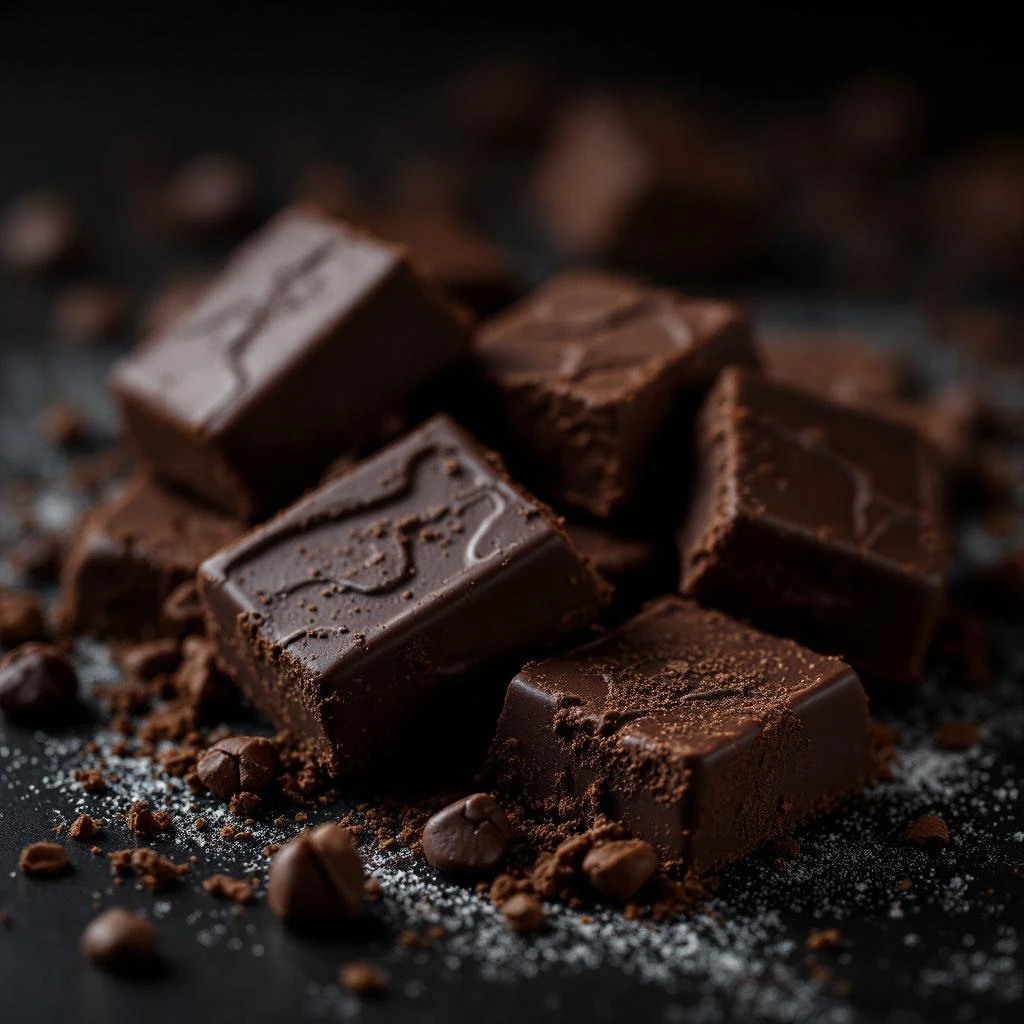
Port wine note captures the rich, velvety essence of Portugal's legendary fortified wine. In perfumery, it translates into deep, dark accents of dried plum, raisin, and warm wine with a sensual sweetness that evokes warmth and indulgence.

Character
How it smells
Velvety depths of Portugal's finest.
The Douro Valley's unique terroir, where port wine originates, sits on schist cliffs that force vine roots down 30 meters or more for minerals.









Origin
Portugal
Port wine takes its name from Porto, Portugal's riverside city where the wine has been shipped worldwide since the late 17th century. English merchants began blending spirits into Portuguese wine around 1703 to preserve it during sea voyages, inadvertently creating the fortified style that defines the region today. The Douro Valley, a UNESCO World Heritage landscape carved into steep schist terraces, has grown grapes for over two millennia, though port wine as we know it only emerged in the 18th century.
The strict demarcation rules of the Douro region govern which grapes and techniques producers may use, making authentic port wine one of the most regulated spirits on earth. Its use in perfumery reflects a growing trend in luxury fragrance to draw inspiration from gastronomic heritage, translating a drinker's sensory memory into a wearable accord that carries centuries of terroir and craft.
Wears it best
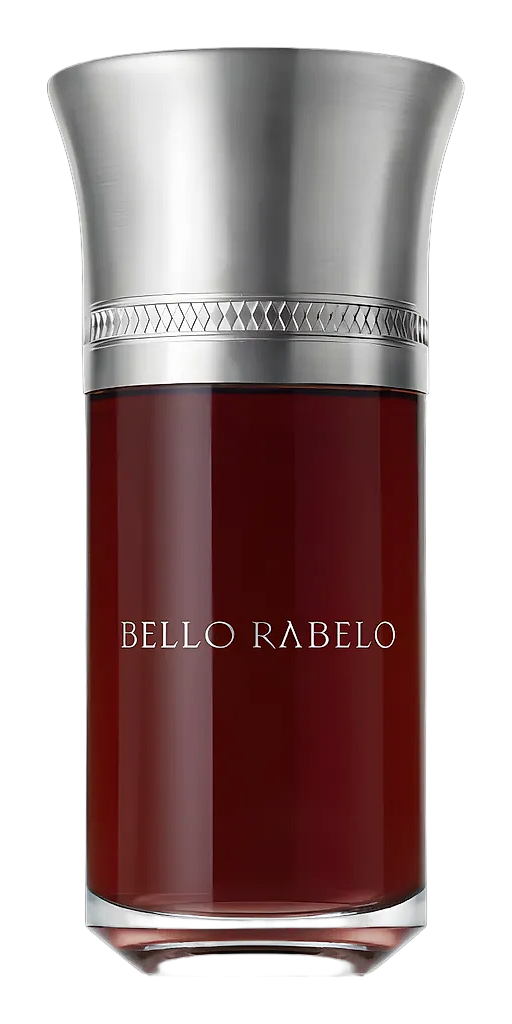
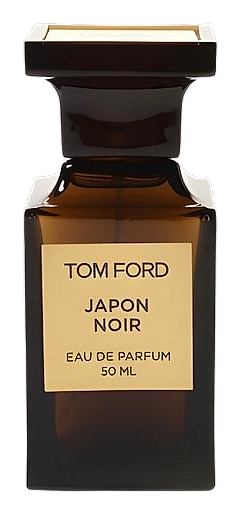
Fragrances featuring Port Wine
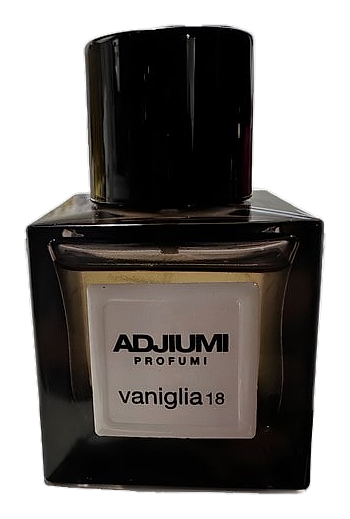
Brands
Brands known for Port Wine
Good to know
Questions, answered
The essentials on Port Wine in perfumery: how it smells, where it comes from, and how it behaves on skin.
Is port wine actually used as a real ingredient in perfume?
Port wine as a fragrance note is almost always a synthetic accord, not actual wine. Perfumers blend multiple aromatic compounds to recreate the dark fruit and wine-like character of port.
What does port wine note smell like?
Port wine note typically presents as rich dried plum, raisin, and dark cherry with subtle fermented and oak-tinged warmth. It adds depth and a boozy sweetness to fragrance bases.
Where does the actual port wine used in perfumery come from?
Authentic port wine originates from Portugal's Douro Valley, a UNESCO World Heritage region where extreme terrain and schist soil create the distinctive character found in perfumers' references.
Can port wine note be found in natural perfumery?
Some niche perfumers use actual grape or wine-derived extracts, but these formulations face challenges with shelf stability since wine-based materials can oxidize and alter a fragrance over time.
What fragrance families commonly use port wine note?
Port wine note appears most often in oriental and gourmand fragrances where it adds richness to base compositions. It pairs well with vanilla, resins, and dark woods.
What chemicals create the port wine aroma in fragrance?
Key compounds include damascenone for fruity depth, furaneol for wine-like warmth, and phenylacetic acid for honeyed sweetness. Perfumers combine these synthetically to build the full accord.
When did port wine become a fragrance ingredient?
Port wine note emerged in contemporary perfumery during the late 20th century as oriental fragrances grew more complex. Academic literature first documented a tawny port wine-like fragrance formulation in the early 2000s.
Which famous perfumes feature port wine note?
Several prestige houses use wine accords inspired by port, particularly in opulent oriental compositions. The note has gained popularity among independent houses crafting gourmand and wine-inspired collections.