The Story
Why it exists.
The beginning
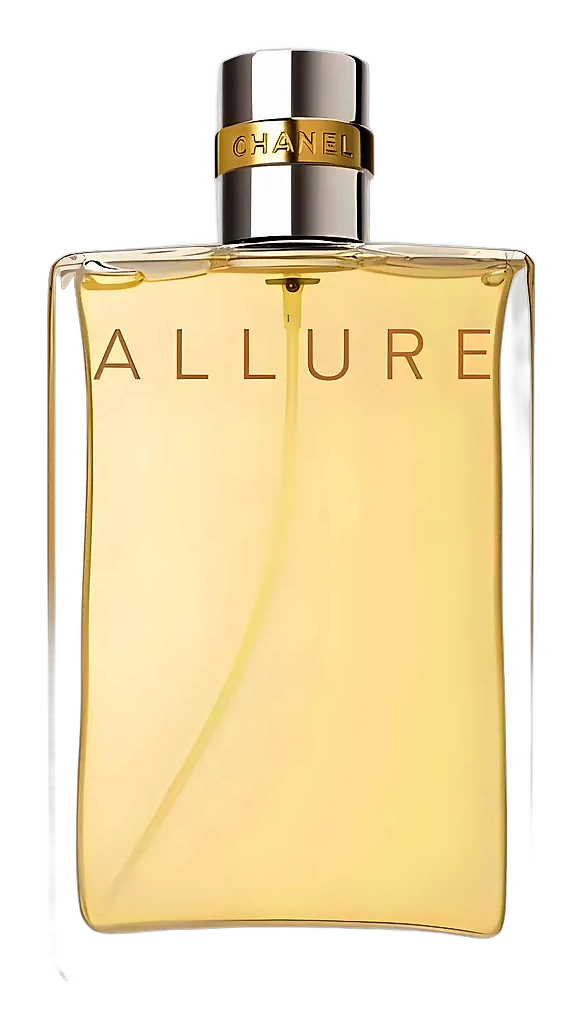
Jacques Polge designed Allure around a simple, radical premise: a woman isn't one thing. She's several. The 1996 brief wasn't to create another floral, Chanel had decades of those. It was to bottle contradiction itself. Polge structured the composition around six distinct facets, each one representing a different dimension of femininity: fresh, floral, fruity, woody, aromatic, and oriental. The idea was that depending on who wore it, a different facet would assert itself, the same fragrance, yet somehow personalized by the individual. That's the gamble of Allure, and what makes it endure thirty years later. It's not trying to be one thing. It's trying to be everything, and letting the wearer decide which side shows first.
What makes Allure structurally unusual is the sheer volume of floral material in the heart. Eight separate floral notes, honeysuckle, jasmine, magnolia, freesia, water lily, orange blossom, peony, and May rose, coexist in the same composition without collapsing into a single blur. The achievement is in the layering: each bloom is given enough space to register individually before the next arrives. Polge didn't stuff the pyramid with a dozen variations of rose. He used flowers that occupy genuinely different olfactory territory, from the indolic lushness of jasmine to the clean aquatic cool of water lily.
The evolution
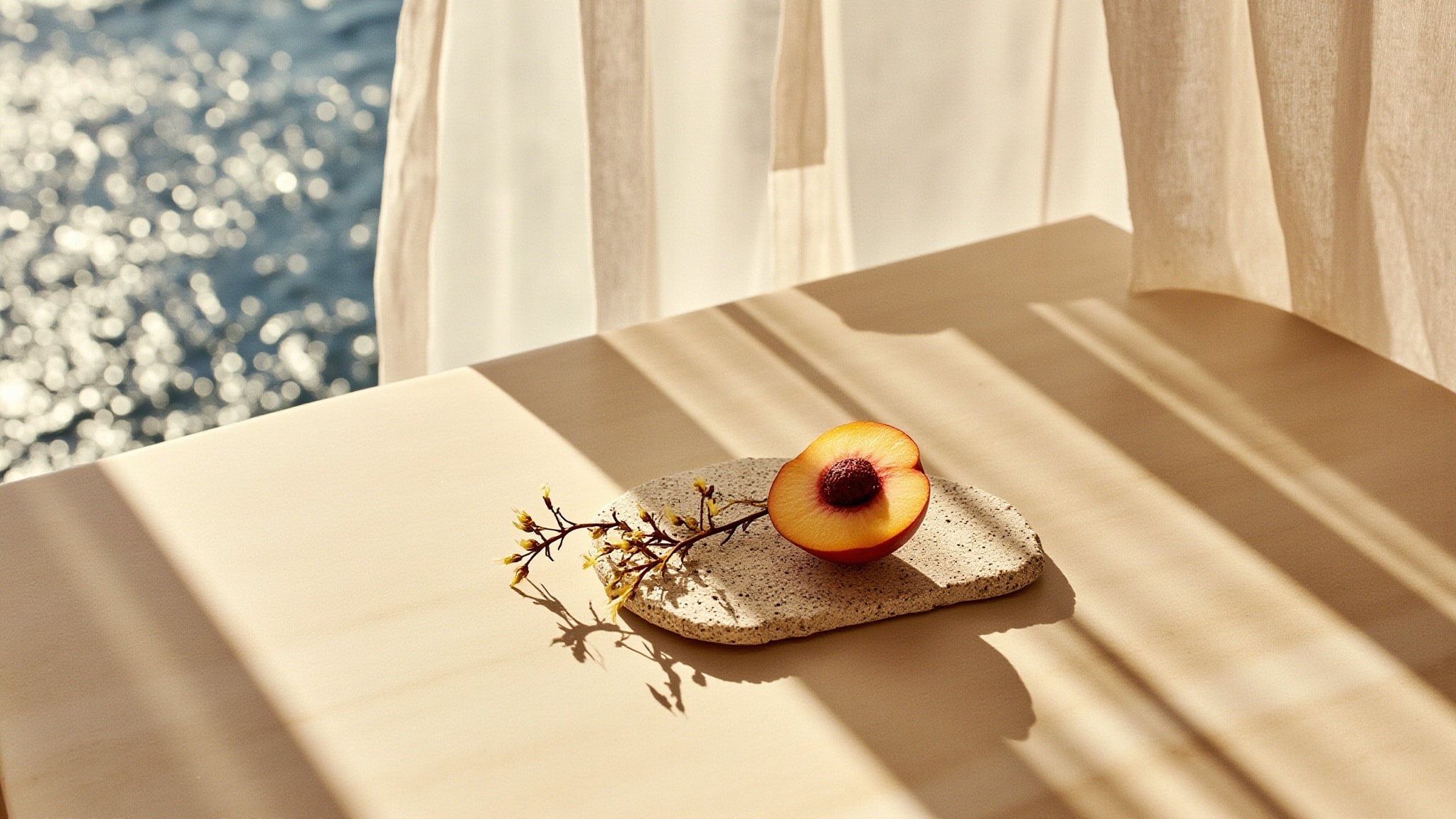
The opening hits like a burst of afternoon light through a window, all lemon and mandarin, the peach lurking underneath like a secret. Citrus-forward, crisp, immediate. No preamble. For the first fifteen minutes, this is one of the most refreshing openings Chanel ever produced. The transition to the heart is gradual but unmistakable: the citrus cools, the honeysuckle thickens, and suddenly you're standing in a garden that has no intention of ending. Peony and magnolia carry the middle, their sweetness tempered by orange blossom's slightly soapy clarity. The fruit doesn't disappear, it deepens, becoming less fresh and more jam-like, like fruit that's been sitting in a bowl for an hour. By the third hour, the base takes over. Vanilla first, warm and powdery. Then sandalwood, soft and creamy beneath. Vetiver and patchouli are present but civilized, they add structure without drama. The drydown stays close to the skin, projecting moderately rather than filling the room. On fabric, the vanilla base can last into the next day.
Cultural impact
Allure arrived in 1996 as a statement of multiplicity, one fragrance, many facets. The idea that different women could wear the same scent and find something different in it resonated with the era's evolving conversations about identity. It's become one of the most consistently worn Chanel women's fragrances across three decades, surviving trends that buried more fashionable releases from the same period. The balance of accessible florals with genuine complexity keeps it relevant for someone who wants a fragrance that rewards attention without demanding a specialist's vocabulary.