The Story
Why it exists.
The beginning
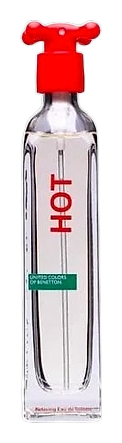
Benetton built its identity on color, on the idea that warmth and approachability belong to everyone, not just the confident few. Hot arrived in 1997 as part of that mission: a fragrance that brought the brand's chromatic optimism into scent. No named perfumer in the records, but the brief was clear. Take the everyday. Make it something worth wearing again. The name is direct. The scent delivers something softer.
The Brazilian rosewood opening is the tell. Rosewood was having a moment in the late nineties, warm, enveloping, less sharp than the citrus it sits alongside. The perfumer chose it deliberately, layering it against lemon and bergamot to soften the brightness before it arrives. The heart amplifies that softness: water jasmine and lily of the valley don't compete with each other. They share space. The apricot and iris create a powdery warmth that reads creamier than it has any right to. That's the win here, a powder that doesn't go dusty, that stays close and alive instead.
The evolution
The citrus-rosewood opening arrives quickly, bright but already tempered. Within twenty minutes the lily of the valley and water jasmine take over, and the powdery quality begins, not dusty, but soft, like the inside of a cashmere sweater. The apricot and iris keep it sweet without cloying. This is where Hot lives longest: the powdery-floral heart, warm and unobtrusive, holding for three to four hours on most skin types. The drydown is musk, vanilla, and sandalwood, quiet, skin-close, the kind of warmth that someone notices only when they're standing beside you. Lasts six to eight hours total. Moderate sillage means it stays your scent, not the room's.
Cultural impact
Benetton arrived in fragrance in the late 1980s with Colors de Benetton, bringing the brand's chromatic optimism into scent. Hot continues that mission: a warm, powdery oriental that asks no permission and costs less than most bottles on the shelf. The 1997 launch date places it squarely in the late-nineties moment when approachable florals and soft orientals dominated, and Hot fit right in. Today it's discontinued, which means the people who know, know. The community consistently praises its value, with enthusiasts often citing it as one of the best-kept secrets of its era.