The Story
Why it exists.
The beginning
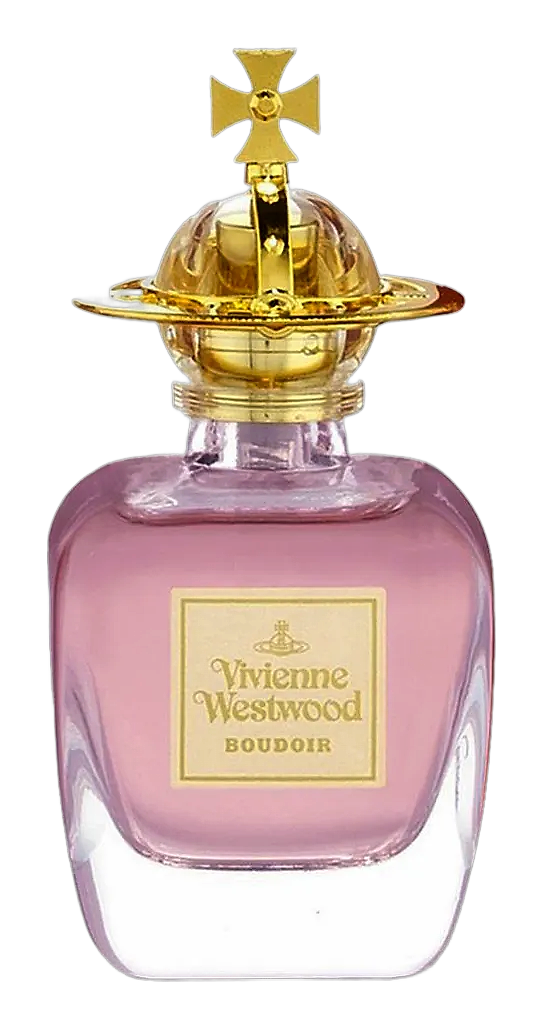
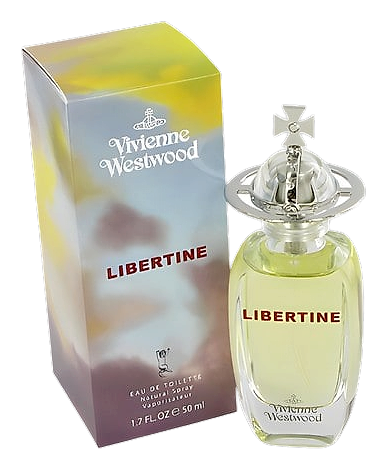
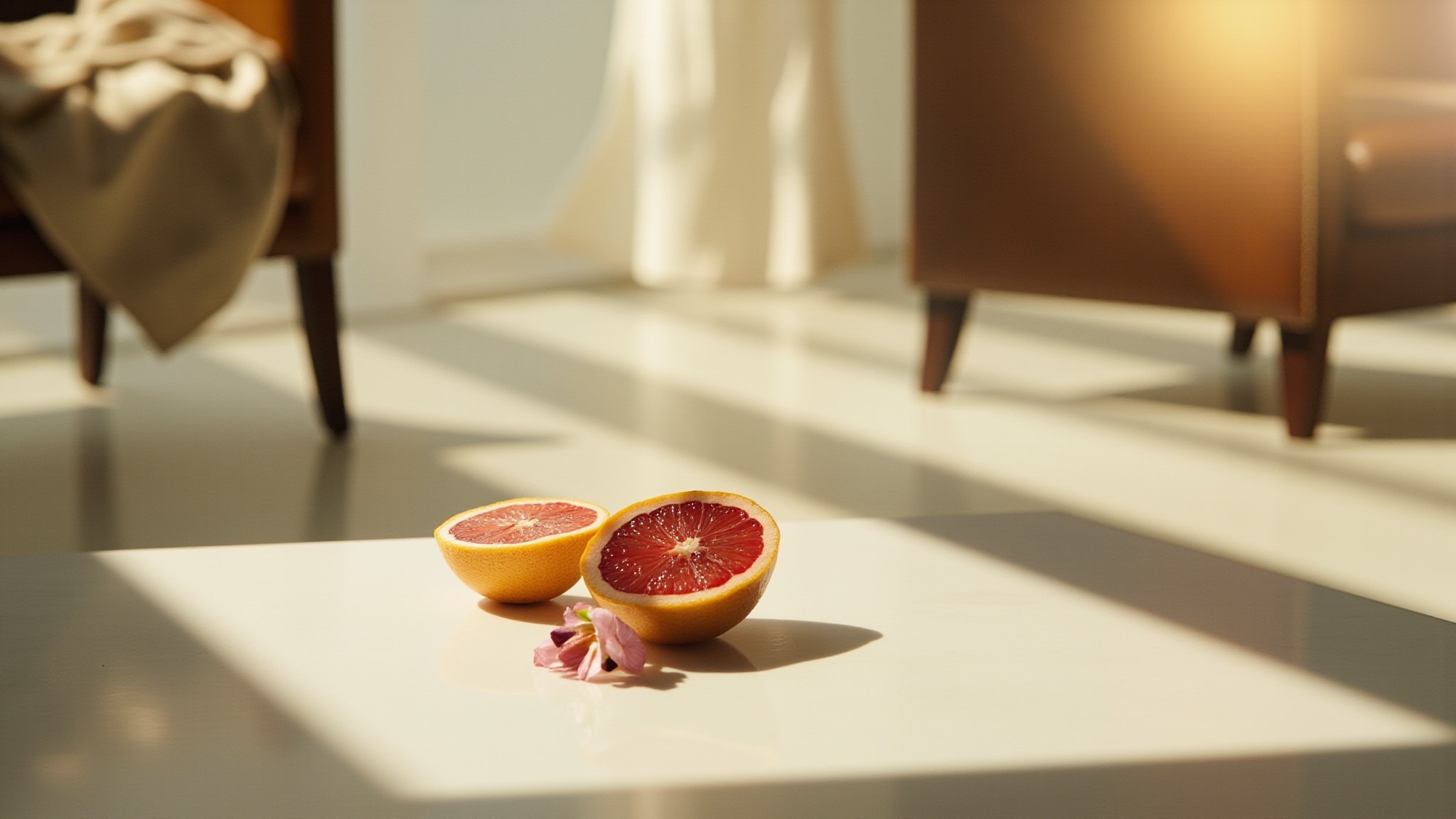
Libertine arrived in 2000, designed by perfumer Martin Gras as a counterpoint to Vivienne Westwood's 1998 debut Boudoir. The name itself is the provocation: a libertine, historically, was one who defied social convention, particularly regarding sexual and moral conduct. The fragrance opens with a bright citrus burst, grapefruit leading the charge, followed quickly by tropical fruit notes that give the composition an immediate sense of warmth and playfulness. Where Boudoir leaned toward darker, more mysterious territory, Libertine was conceived as the lighter side of the house, a fruity chypre that brings a certain levity without sacrificing complexity.
The key tension here is between the tropical fruit opening and the classical chypre structure underneath. That combination, pineapple, passion fruit, and grapefruit meeting oakmoss and labdanum, isn't common. The tropical sweetness of the opening notes creates an immediate impression of warmth and brightness, while the oakmoss and labdanum beneath provide a foundation that prevents the composition from floating away into pure sweetness. This marriage of playful sweetness and architectural restraint makes the composition interesting rather than simply pleasant.
The evolution
The opening arrives bright and immediate, grapefruit first, then the tropical trio of pineapple and passion fruit charging in behind it. That initial burst holds for maybe twenty minutes before the florals begin to assert themselves. Honeysuckle and lily of the valley emerge next, with the rose appearing as a quiet accent rather than a statement. The bergamot keeps the whole heart phase feeling green and fresh, never heavy. Around the two-hour mark, the base takes over. The oakmoss arrives first, that signature chypre signature, slightly animalic, mossy in the way that only true oakmoss can be. Patchouli adds earth, musk adds warmth, and the amber-labdanum combination gives the drydown a resinous softness that extends the wear by several more hours. The fragrance moves through its phases with a natural progression, each stage informing the next.
Cultural impact
Libertine occupies a specific niche within the chypre family, bringing tropical fruit brightness to the classical structure. The tropical fruit opening makes the architecture accessible without dumbing it down. This is a fragrance that rewards attention, revealing its complexity gradually rather than announcing itself all at once. The combination of pineapple and passion fruit with the traditional chypre base creates something that feels both familiar and surprising, a bridge between the fruity florals of the modern era and the architectural depth of classical perfumery.