    Brand Profile

    Vivienne Westwood entered the fragrance world in 1998 with the launch of Boudoir, extending her distinctive fashion vision into scent. The B…More

    United Kingdom·Est. 1971·Site

    4.1

    Rating

    Just Landed

    New Arrivals

    The latest additions to the Vivienne Westwood collection.

    12
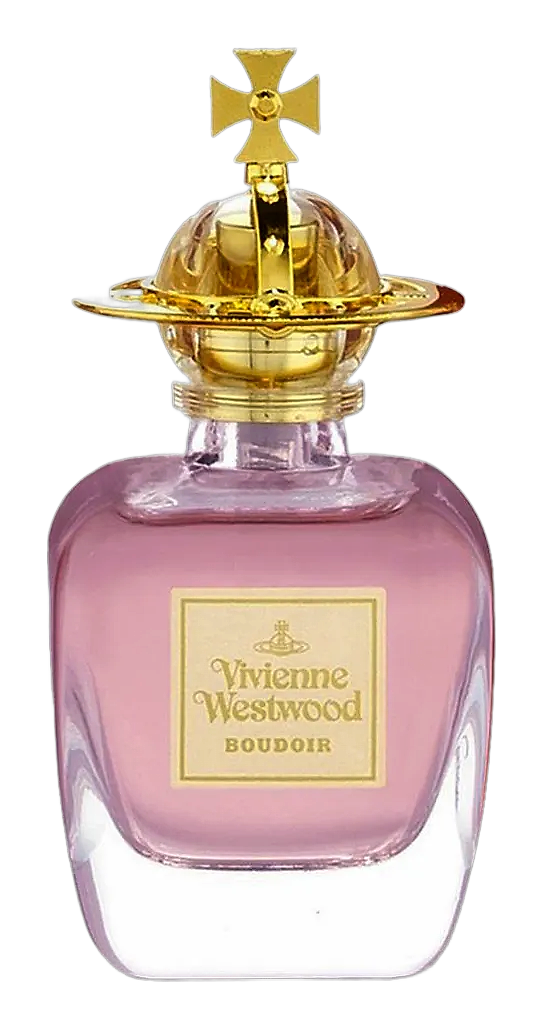
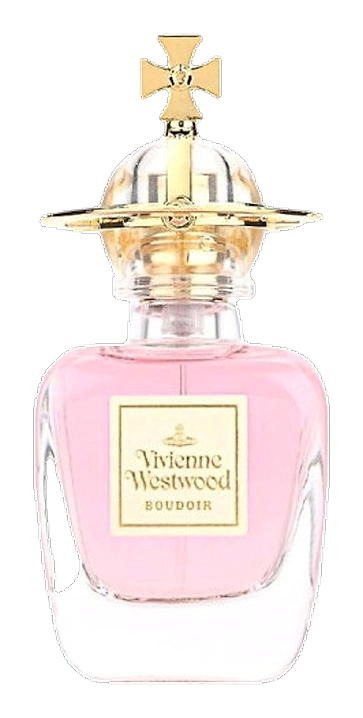
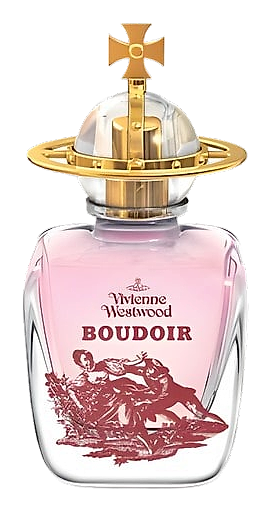
    Boudoir by Vivienne Westwood – Eau de Parfum
    Best Seller
    4.1

    Boudoir

    Eau de Parfum

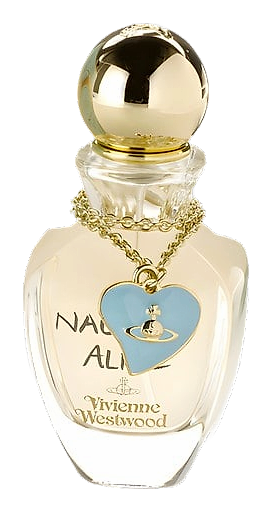
    Naughty Alice by Vivienne Westwood
    Best Seller
    4.2

    Naughty Alice

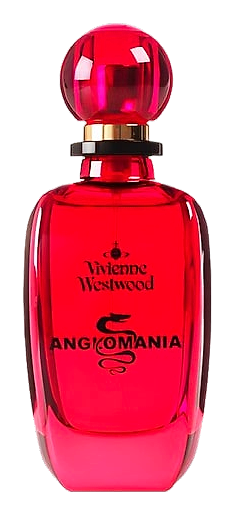
    Anglomania by Vivienne Westwood
    Best Seller
    4.1

    Anglomania

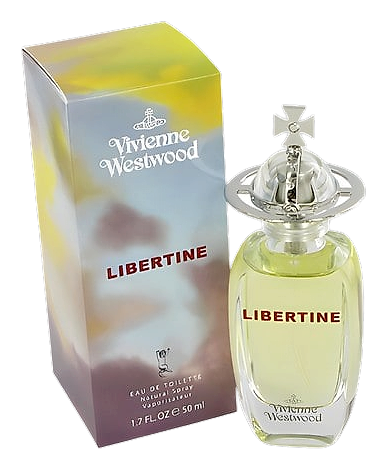
    Libertine by Vivienne Westwood
    4.1

    Libertine

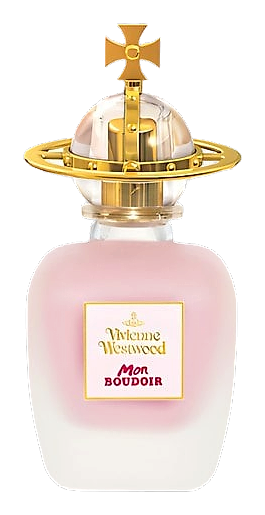
    Mon Boudoir by Vivienne Westwood
    4.0

    Mon Boudoir

    Boudoir 2025 by Vivienne Westwood
    New
    4.0

    Boudoir 2025

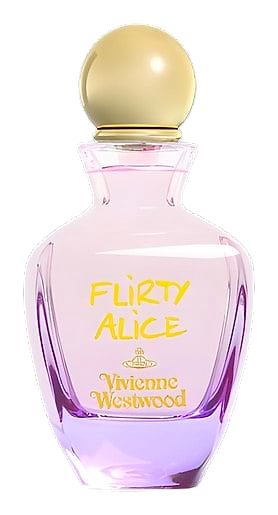
    Flirty Alice by Vivienne Westwood
    3.9

    Flirty Alice

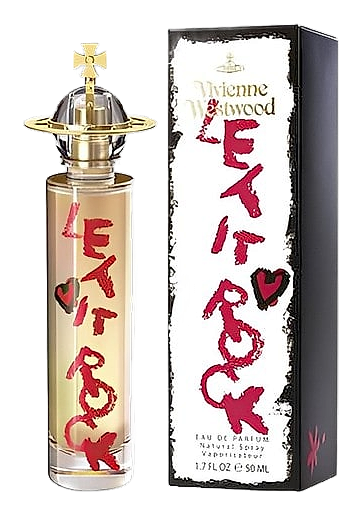
    Let It Rock by Vivienne Westwood
    3.9

    Let It Rock

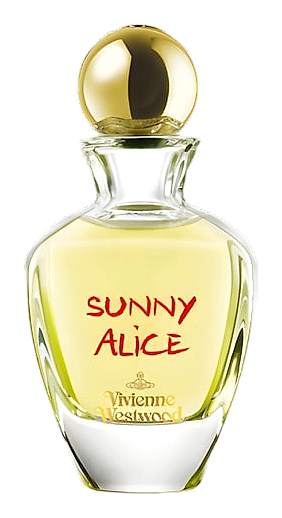
    Sunny Alice by Vivienne Westwood
    3.9

    Sunny Alice

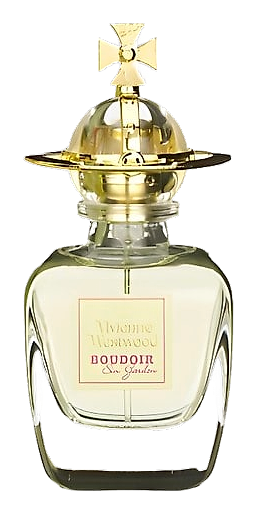
    Boudoir Sin Garden by Vivienne Westwood
    3.8

    Boudoir Sin Garden

    Boudoir Jouy by Vivienne Westwood
    3.8

    Boudoir Jouy

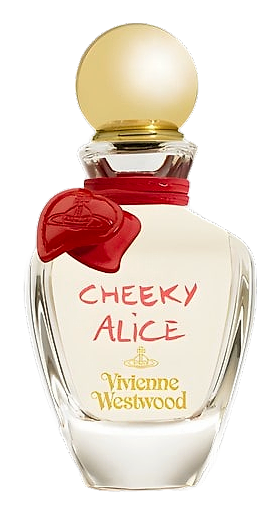
    Cheeky Alice by Vivienne Westwood
    3.8

    Cheeky Alice

    The Heritage

    The Story of Vivienne Westwood

    Vivienne Westwood entered the fragrance world in 1998 with the launch of Boudoir, extending her distinctive fashion vision into scent. The British fashion house, founded by designer Vivienne Westwood, brought its signature blend of historical referencing and provocative aesthetics to perfumery. Boudoir arrived as an unapologetically vampish fragrance, drawing inspiration from archived perfumes held at the Versailles Osmotheque. The collection has since expanded to include variations like Mon Boudoir, Boudoir Sin Garden, and a 2025 reformulation that revisits the original formula. The Alice series, featuring Naughty Alice, Flirty Alice, and Sunny Alice, represents another arm of the fragrance portfolio, channeling a different facet of the brand's whimsical yet edgy identity. Each scent reflects the house's commitment to distinctive, personality-driven fragrance creation.

    Heritage

    Vivienne Westwood established her fashion label in London in 1971, initially operating from a boutique on the King's Road that became synonymous with the burgeoning punk movement. Partnering with Malcolm McLaren, Westwood transformed her shop into a hub for anti-establishment fashion, stocking designs that challenged conventional British style. The store underwent several name changes over its first decade, including "Too Fast to Live, Too Young to Die" and "Seditionaries," each iteration reflecting the escalating political and fashion statements of the era. Westwood's garments from this period, particularly the "God Save the Queen" t-shirts and distorted tartan pieces, became iconic symbols of youth rebellion in late 1970s Britain. The designer later pivoted toward historical and aristocratic influences, studying costume history and incorporating references to 18th-century dress and military uniforms into her runway collections. This shift toward historical referencing became a defining characteristic of her work, informing her fragrance development as well. Westwood received a Royal appointment in 1989, dressing members of the British royal family, which underscored her position within the established fashion world while maintaining her reputation for subversive design choices. Her fragrance arm, launched nearly three decades after her first boutique opened, represented an extension of her broader artistic vision rather than a departure from it.

    Craftsmanship

    The Vivienne Westwood fragrance collection has been produced through licensing agreements with fragrance industry partners, a common structure for fashion houses extending into beauty categories. The original Boudoir formulation, launched in 1998, reportedly took inspiration from historical perfume recipes rather than contemporary market trends. According to commentary surrounding the 2025 reformulation, the updated Boudoir draws more directly from the original Versailles archives that inspired the debut version. The Alice series fragrances represent iterations on specific themes, each exploring different aromatic territories within a shared conceptual framework. The brand's approach to fragrance development emphasizes conceptual coherence over formula experimentation, with scents designed to express identifiable facets of the Westwood aesthetic rather than chasing fleeting trends. Quality considerations in the fragrance production process follow industry-standard practices for luxury positioning, though specific sourcing details for raw materials are not extensively documented in publicly available sources. The reformulated Boudoir arriving in 2025 suggests ongoing attention to the collection's flagship scent, with adjustments reportedly made to align the modern interpretation more closely with the historical perfumes that originally inspired the design.

    Design Language

    The Vivienne Westwood aesthetic draws from a distinctive iconography that spans aristocratic portraiture, punk ephemera, and political graphics. The Orb emblem, depicting Earth within a planetary ring, serves as the house's most recognizable symbol and appears on fragrance packaging and bottles. This symbol, with its references to sovereign power and global perspective, reflects Westwood's longstanding interest in royalty and governance as subjects for critique and celebration alike. The original Boudoir bottle featured an Art Nouveau-influenced silhouette with a distinctive cap design that echoed the ornate quality of late 19th-century perfume vessels. This historical visual language aligned with the fragrance's inspiration drawn from archived perfumes of the Versailles court. The Alice-fragrance series employs a different visual register, incorporating imagery and styling that suggests Lewis Carroll's literary world with a contemporary, slightly subversive edge. Across the fragrance range, the packaging maintains consistency through the Orb motif and a color palette that draws from Westwood's fashion collections, including deep reds, golds, and the distinctive tartan patterns that have appeared throughout her career. The visual coherence across the fragrance line reinforces the connection between scent and the broader Vivienne Westwood universe, where each product functions as an extension of the designer's artistic identity.

    Philosophy

    Vivienne Westwood approached fragrance as she approached fashion, prioritizing character and provocation over convention. The designer reportedly wanted Boudoir specifically to evoke the spirit of historical perfumery, drawing from the archives at the Versailles Osmotheque where centuries-old fragrance formulas are preserved. This reference point reflects her broader design philosophy of grounding contemporary work in historical precedent while subverting expectations. The brand's fragrance lineup demonstrates a willingness to explore contrasting moods, from the assertively sensual qualities of the original Boudoir to the playful associations embedded in the Alice series. Westwood's work has consistently carried political undertones, and this engagement with social commentary appears in her approach to consumer goods like perfume, which she approached as extensions of her artistic identity rather than mere commercial products. The house maintains a commitment to design that provokes thought and conversation, whether in clothing or in scent. This principle of infused meaning distinguishes the fragrance collection from purely aesthetic offerings, positioning each release as a statement piece within the broader Vivienne Westwood universe.

    Key Milestones

    1971

    Vivienne Westwood and Malcolm McLaren open their first boutique on London's King's Road, beginning their collaboration that would define early punk fashion

    1989

    Westwood receives a Royal appointment, dressing members of the British royal family and cementing her position in established fashion circles

    1998

    Boudoir launches as the house's debut fragrance, inspired by historical perfumes from the Versailles Osmotheque collection

    2000

    Libertine fragrance is introduced, expanding the house's olfactory portfolio

    2010

    Naughty Alice launches, beginning the Alice series that would later include Flirty Alice and Sunny Alice

    2025

    Boudoir is reformulated and re-released, with updated composition reportedly aligned more closely with historical Versailles inspirations

    At a Glance

    Brand profile snapshot

    Origin

    United Kingdom

    Founded

    1971

    Heritage

    55

    Years active

    Collection

    1

    Fragrances released

    Avg Rating

    4.1

    Community sentiment

    Release Rhythm

    2025
    1
    2014
    1
    2013
    2
    2011
    1
    2010
    1
    2009
    1
    2007
    2
    2005
    1
    viviennewestwood.com

    Did You Know?

    Interesting Facts

    Distinctive details and defining moments that shape the house personality.

    01

    Vivienne Westwood began her fashion career without formal training, working as a primary school teacher before entering the fashion industry alongside Malcolm McLaren

    02

    The Vivienne Westwood Orb symbol references the Imperial Sovereign of Europe and has appeared on everything from clothing to fragrance bottles since the 1980s

    03

    Boudoir was specifically inspired by perfumes housed in the Versailles Osmotheque, an institution dedicated to preserving historical fragrance formulations

    04

    Westwood's fashion show presentations have frequently incorporated political messages, with models carrying signs protesting various causes including climate change and tax avoidance

    05

    The designer's name was appended to her brand rather than given a separate commercial name, a relatively unusual approach among major fashion houses

    06

    Westwood studied costume history at university later in her career, directly influencing her subsequent design approach to historical referencing

    07

    The Alice series of fragrances drew their names and conceptual frameworks from Lewis Carroll's literary world rather than any biographical connection

    The Artisans

    The Perfumers