The Story
Why it exists.
The beginning
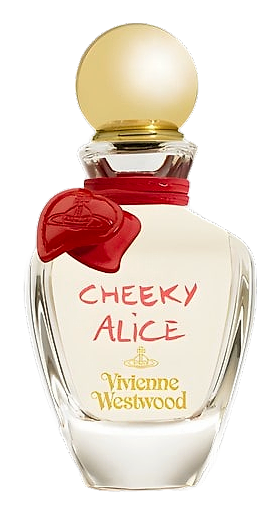
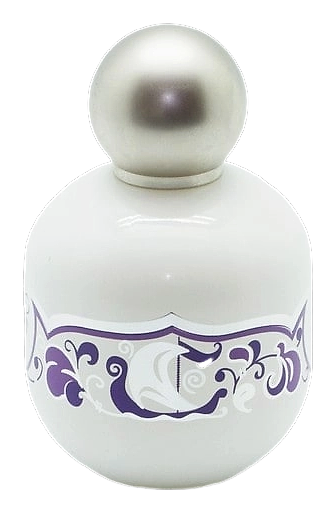
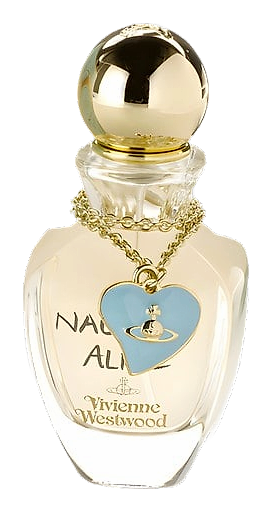
The Alice series in Vivienne Westwood's fragrance wardrobe takes its cue from Lewis Carroll's most provocative character, a girl who just wander into the absurd, she dismantled it. Naughty Alice arrived in October 2010, conceived within that same spirit of calculated mischief. Westwood's design philosophy has always been about elegance deployed as provocation, history worn as rebellion. The Alice series gave that sensibility a name, and Naughty Alice gave it a fragrance that says more by holding back. Bruno Jovanovic and Laurent Le Guernec worked from that tension: a name that implies daring, a composition that implies discretion. The result is a fragrance that earns attention the long way around.
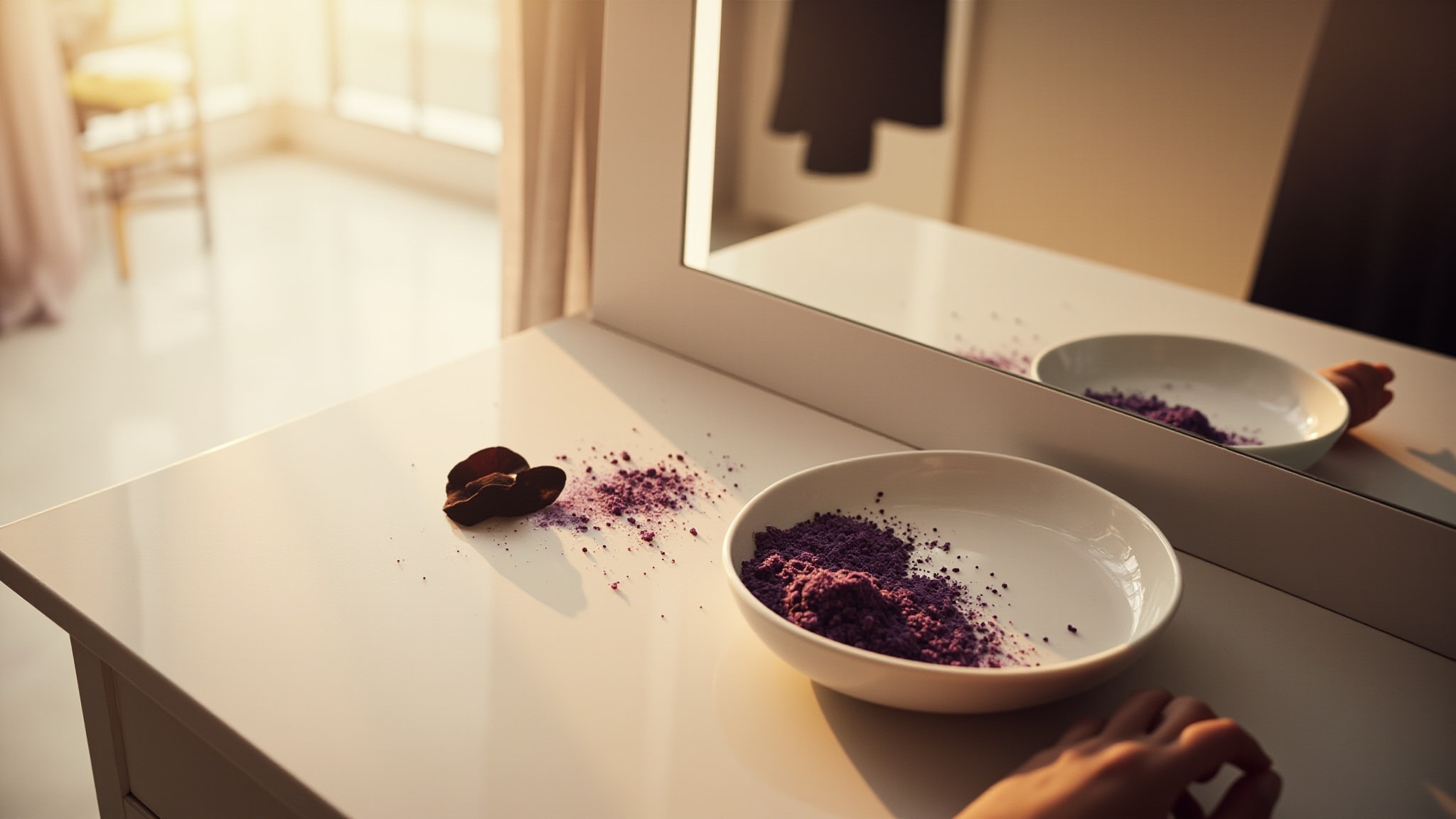
Musk and violet form the powder accord that anchors the composition. Ylang-ylang lifts it into something warmer, almost indolic, giving the floral heart a honeyed depth that reads as intimate rather than sweet. Black rose adds a darker petal quality, slightly romantic, slightly melancholic, preventing the whole thing from tipping into simple prettiness. The structure is built on contrast: powder opens soft, florals deepen the middle, musk closes warm. Nothing here shouts. Everything lingers. The tension between Westwood's subversive reputation and this fragrance's gentle character is the real signature, a name that promises scandal, a scent that promises comfort.
The evolution
The opening hits like crushed violet petals and something faintly sweet. Violet powder, but not the sharp kind, softened, rounded, as if the petals were already warm from handling. Ylang-ylang arrives within minutes, tropical and creamy, pushing the composition from clean into something warmer and more intimate. The handoff is seamless. The florals deepen without ever getting heavy. Black rose arrives quietly, darker than a standard rose, with that slightly dusky quality that gives it character. As the heart settles, the sweetness recedes and something more grounded takes over. By the second hour, musk owns the composition. Warm, skin-close, the kind of smell that doesn't announce itself so much as it settles into a collar. Lasts a full workday on most skin. The next morning, a faint trace in the crook of the wrist, the kind of ghost that makes you reach for the bottle again.
Cultural impact
Naughty Alice arrived in 2010 as part of Vivienne Westwood's strategy to translate her punk-meets-rococo fashion identity into fragrance form. The Alice series drew from Lewis Carroll's heroine as a vehicle for Westwood's signature subversion of English propriety. The 2010 release coincided with a broader revival of powdery florals in fashion, as designers like Dior and Chanel were revisiting softer, nostalgic aesthetics. Naughty Alice's musky drydown reflected the era's fascination with skin-close finishes rather than bold sillage. The fragrance found its audience among women who appreciated Westwood's irreverent branding without seeking aggressive projection.