The Story
Why it exists.
The beginning
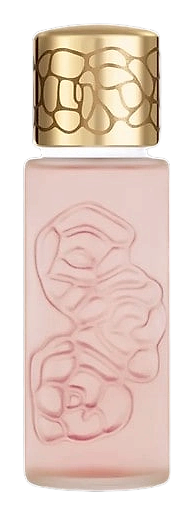
Quelques Fleurs Royale arrived in 2004 as a contemporary reimagining of Houbigant's historic Quelques Fleurs, a legendary floral composition from the house's 20th-century catalogue. The task was deceptively simple: honor the name without merely replicating it. The original's structure, a cascading floral bouquet with a warm, powdery base, served as foundation rather than template. What emerged is a multi-floral built on deliberate contrast: bright citrus in the opening that softens almost immediately, a heart where mimosa honey introduces a gourmand warmth that never tips into edible, and a powdery drydown anchored by orris that extends the composition's elegance into something intimate and lasting.
The white mimosa honey is the fragrance's secret weapon, a note that straddles the line between floral and gourmand without committing fully to either. It adds body and warmth to the tuberose, jasmine, and rose absolutes in the heart, creating a richness that feels enveloping rather than overwhelming. Houbigant leans into that ambiguity with confidence. The orris root in the base reinforces the powdery character, delivering the iris-like softness that makes the drydown feel polished and familiar in a way that transcends trend cycles.
The evolution
The opening hits bright. Grapefruit and bergamot arrive crisp, slightly tart, and immediately likable, a citrus freshness that doesn't demand attention. Within minutes, the florals begin to assert themselves, and the character shifts from refreshing to genuinely warm. The tuberose emerges first, creamy and heady, pulling the jasmine and rose along with it. The honey arrives quietly. Not as a syrupy jolt but as a deepening warmth that makes the florals feel fuller, richer, more layered. Some wearers report this is where the fragrance divides opinion, that honey-animalic undertone can read as sour or intimate depending on skin chemistry. On most, it's simply the part that makes you lean closer. The drydown belongs to orris and sandalwood. The powder settles in, warm and close, and the sillage drops to something intimate, present in close conversation, invisible from across the room.
Cultural impact
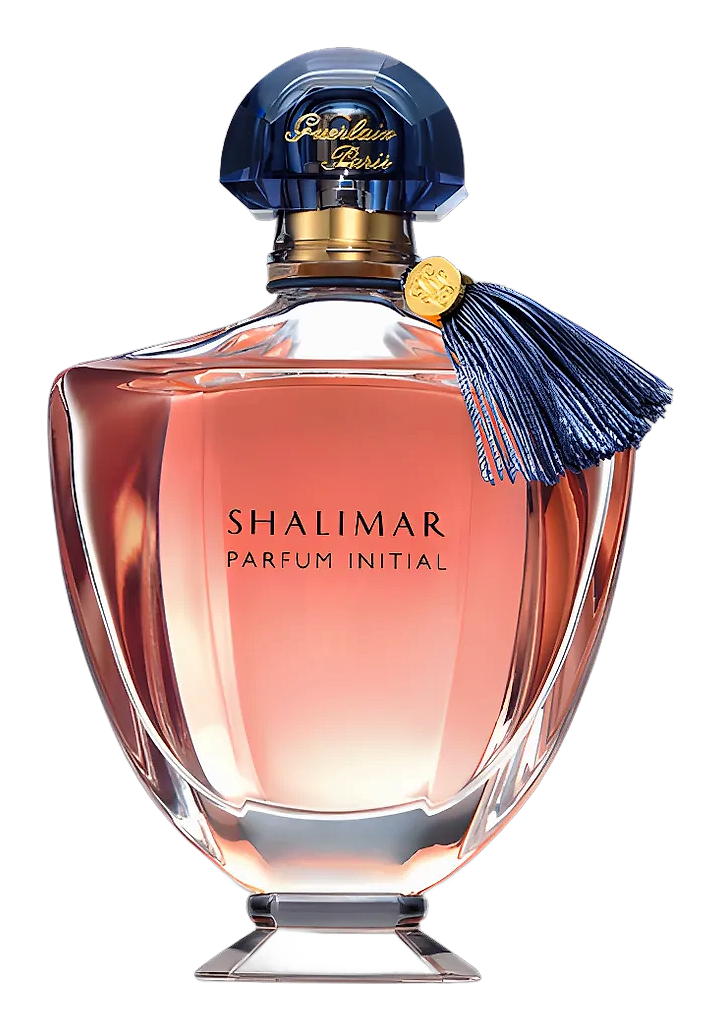
Somewhere in the post-2000 landscape, it carved out a distinctive position. It hasn't achieved the cult status of Guerlain Shalimar or Chanel No. 5, but among those who know it, it functions as a quiet shorthand for old-world taste. In contemporary terms, it reads as the anti-trend fragrance, made for someone who chose it before the review existed.