The Story
Why it exists.
The beginning
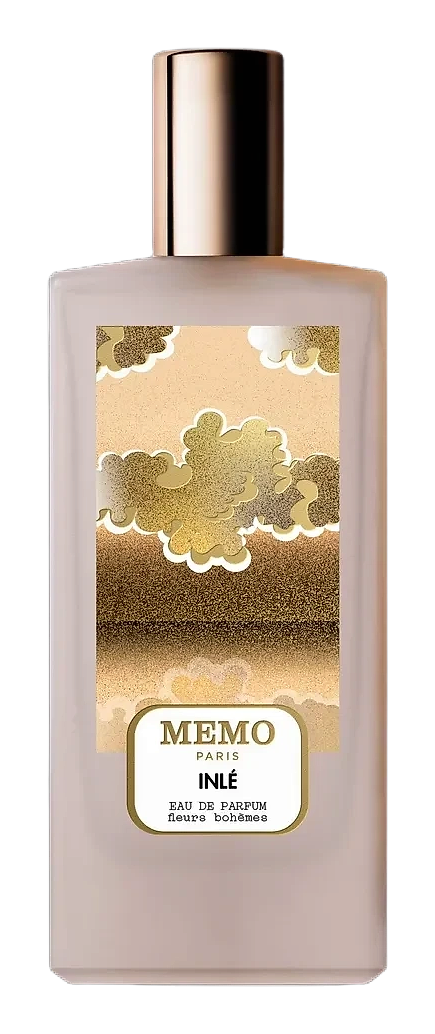
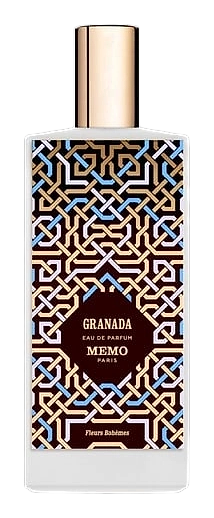
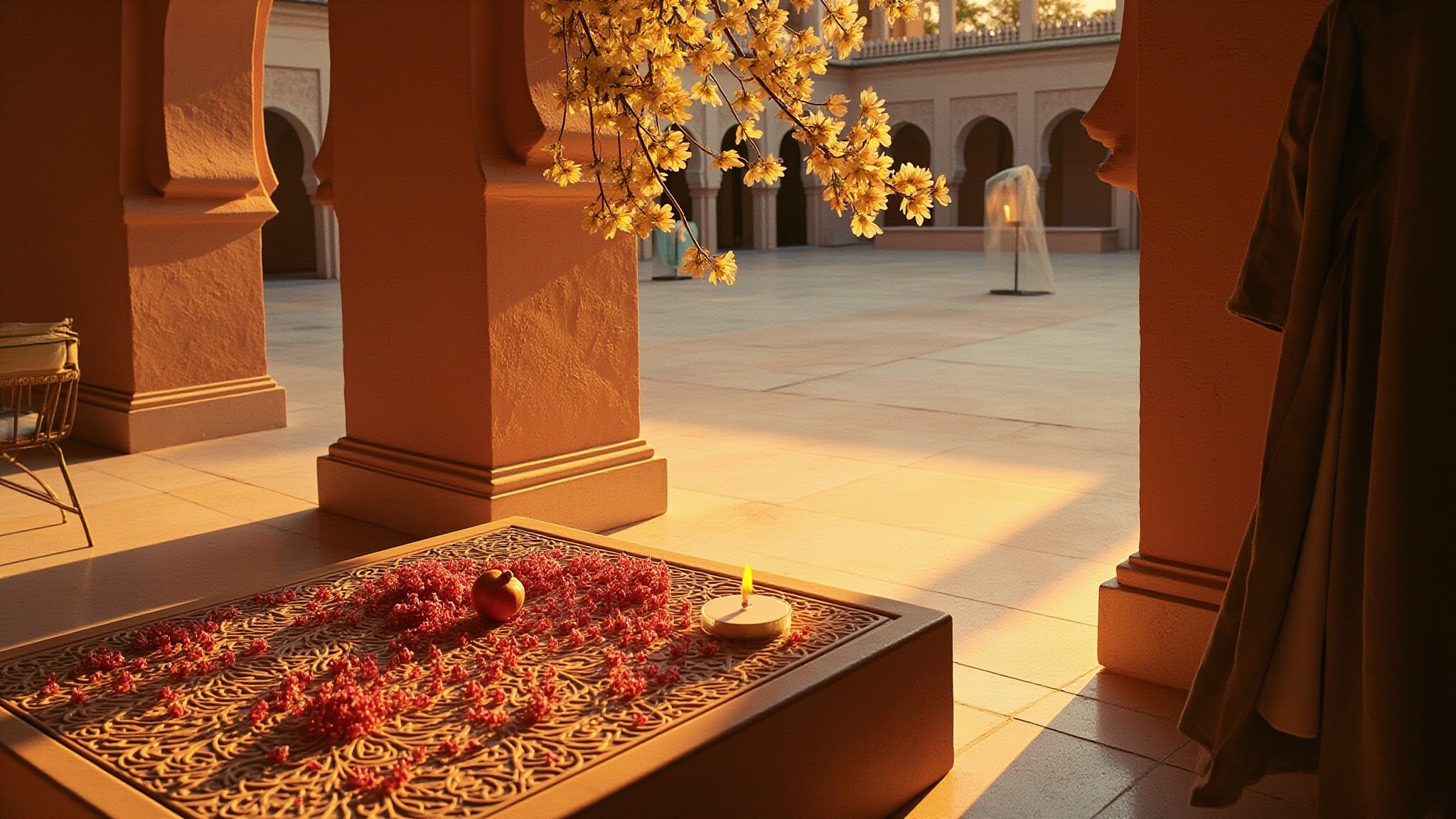
Granada came from the Alhambra's gardens. Or at least, the feeling of them, that weight of orange blossom at midnight, jasmine on warm stone, the city's red walls catching torchlight. Memo Paris built this fragrance around that specific Andalusian hour: the moment a Moroccan riad becomes a love letter written in flowers. The perfumer, Aliénor Massenet, was working in 2011 when she created this piece for the Fleurs Bohèmes collection, a series that treated flowers as if they had always been wild, never cultivated. Granada became the collection's statement: devotion as a fragrance note, not a metaphor.
What makes Granada interesting is the contrast between its opening and its base. The top notes, lily of the valley, pomegranate, bergamot, arrive bright and almost tart, like sunlight on red walls. Then the heart takes over: Tunisian orange blossom absolute, heliotrope, rose. This is where the powdery quality lives, where the fragrance stops being about freshness and starts being about closeness. The base anchors everything with jasmine absolute, vanilla, amber, and musk, materials that don't evaporate quickly. The jasmine absolute is particularly noteworthy: it's not the cleaned-up jasmine of mass-market fragrances. This one has texture, a slight indolic bite that reminds you it came from a flower, not a lab.
The evolution
It opens bright. Pomegranate and bergamot create an immediate burst, tart, clean, almost sparkling against skin. Lily of the valley softens the citrus without diluting it. This phase lasts about 30 minutes before the florals take over and the composition shifts. The heart arrives with orange blossom absolute at its center, heliotrope lending that characteristic powdery softness, rose adding a quiet sweetness that never becomes saccharine. By the second hour, the jasmine is unmistakable. It's warm, slightly animal, absolutely present. Vanilla and amber build underneath, creating a base that stays close to the skin but refuses to disappear. Eight to ten hours later, on most skin types, Granada is still there, a warm amber-vanilla murmur where the jasmine once sang. On fabric, it lingers until the next wash.
Cultural impact
Granada occupies a specific corner of niche perfumery: the sensual white floral that doesn't apologize for being either. Wearers gravitate toward it for its jasmine-forward character, described in community reviews as the "sexiest jasmine" and compared to YSL Libre and Mugler Alien, though with a more realistic, less synthetic quality. The Fleurs Bohèmes collection positioned Granada as a statement piece: devotion as a fragrance concept, flowers as emotional language rather than decorative notes. The fragrance's consistent performance ratings, particularly its longevity and sillage, have made it a quiet staple for those who want strong white florals without the usual fade-by-lunch problem.