The Story
Why it exists.
The beginning
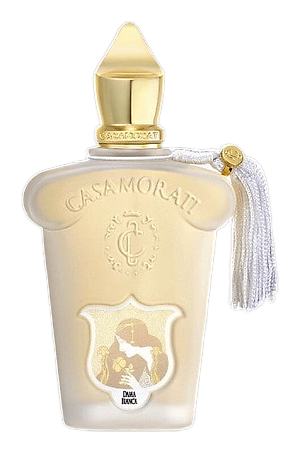
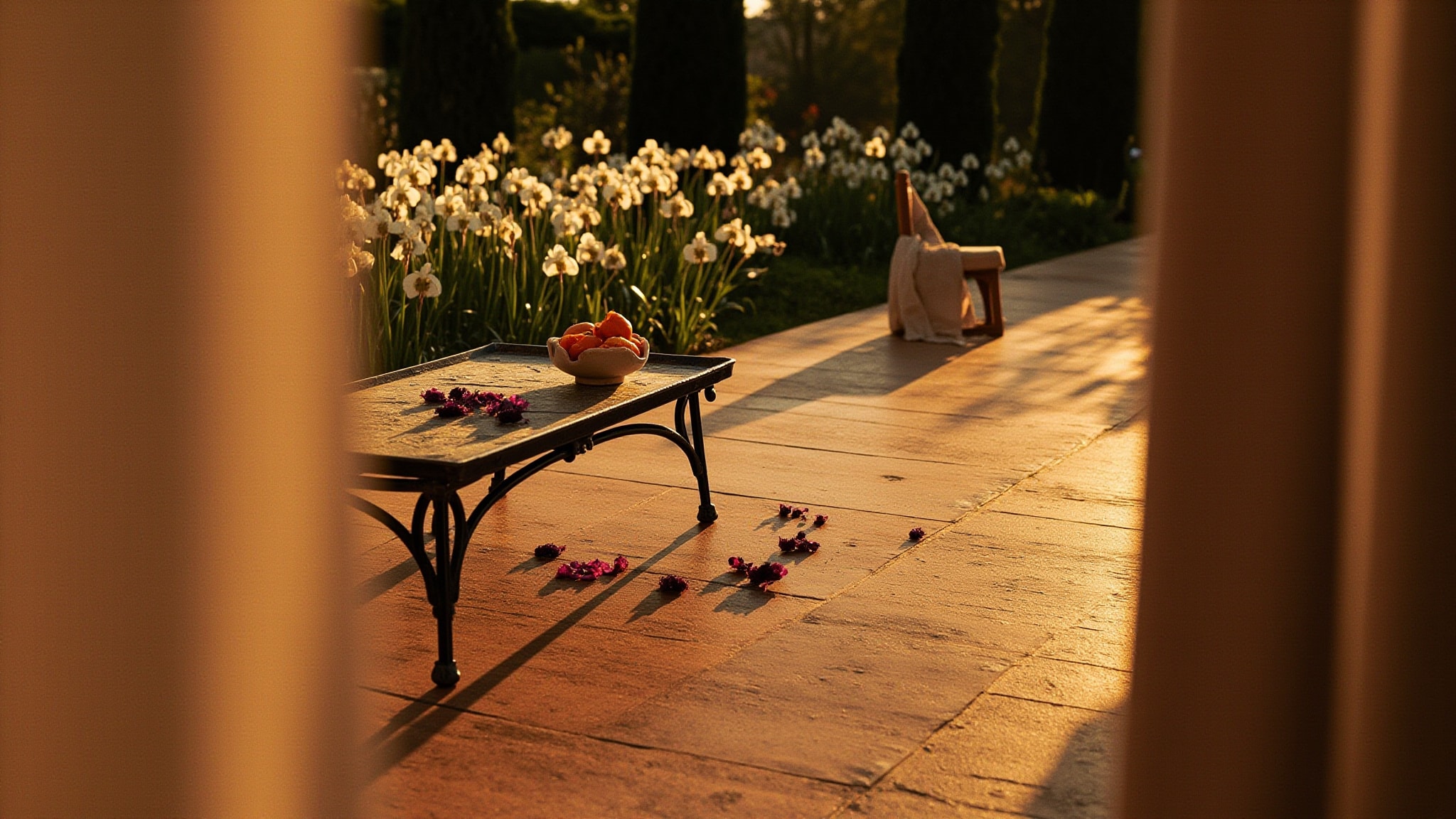
Casamorati 1888 named Dama Bianca to evoke the quiet elegance of a luminous muse moving through an Italian garden at golden hour. Launched in 2012, the house drew on its Bologna heritage, where Florentine iris cultivation has been an art for centuries. The fragrance was conceived as a bridge between the powdery florals of classical perfumery and a modern wearability that suits everyday occasions.
The note selection reflects a philosophy of restraint and refinement. Kumquat and lime in the opening avoid the aggressive citrus spike of many flankers, instead opting for a natural tartness that serves as a transition to the heart. Violet and iris anchor the composition in perfumery tradition, while the woody drydown ensures longevity without resorting to heavy patchouli or oud. The ambrette addition is particularly clever, lending a musky quality that mimics skin warmth without the animalic edge found in traditional musks.
The evolution
The opening hits with the immediacy of fresh kumquat zest and lime, a citrus burst that feels like morning light hitting a citrus grove. Within twenty minutes, the heart takes command, led by violet and iris in a combination that harks back to Guerlain-style elegance. Lilac threads through the middle notes with a powdery sweetness, while jasmine provides depth and lily of the valley keeps things green and delicate. As the hours pass, the drydown unfolds gradually, revealing vanilla warmth softened by malt, with white musk and ambrette adding a clean, skin-like quality. The finale belongs to sandalwood and cedarwood, two woods that give Dama Bianca its lasting impression.
Cultural impact
Since its 2012 debut, Dama Bianca has become a quiet favorite among fans of sweet powdery whites, often cited in forums for its elegant balance of citrus and vanilla. Wearers describe it as the scent of a refined lady who commands attention without shouting, making it a go-to choice for special evenings and upscale gatherings.