The Story
Why it exists.
The beginning
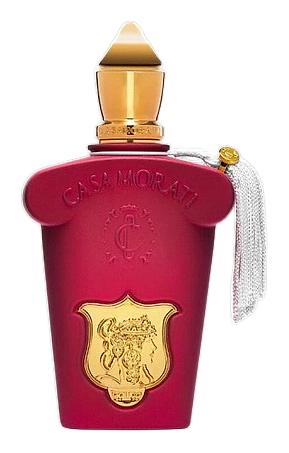
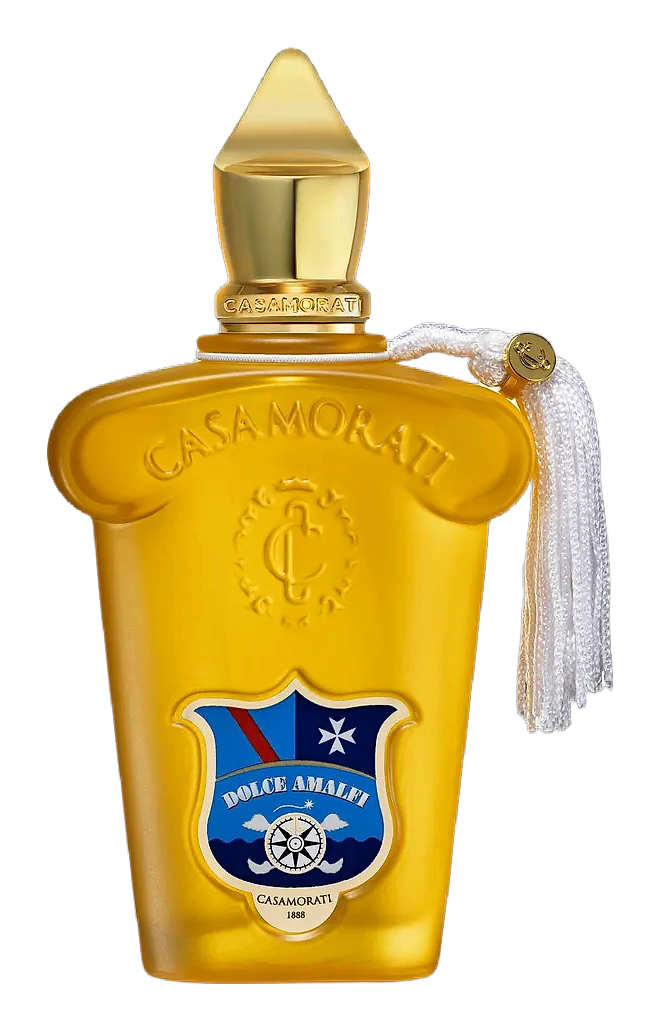
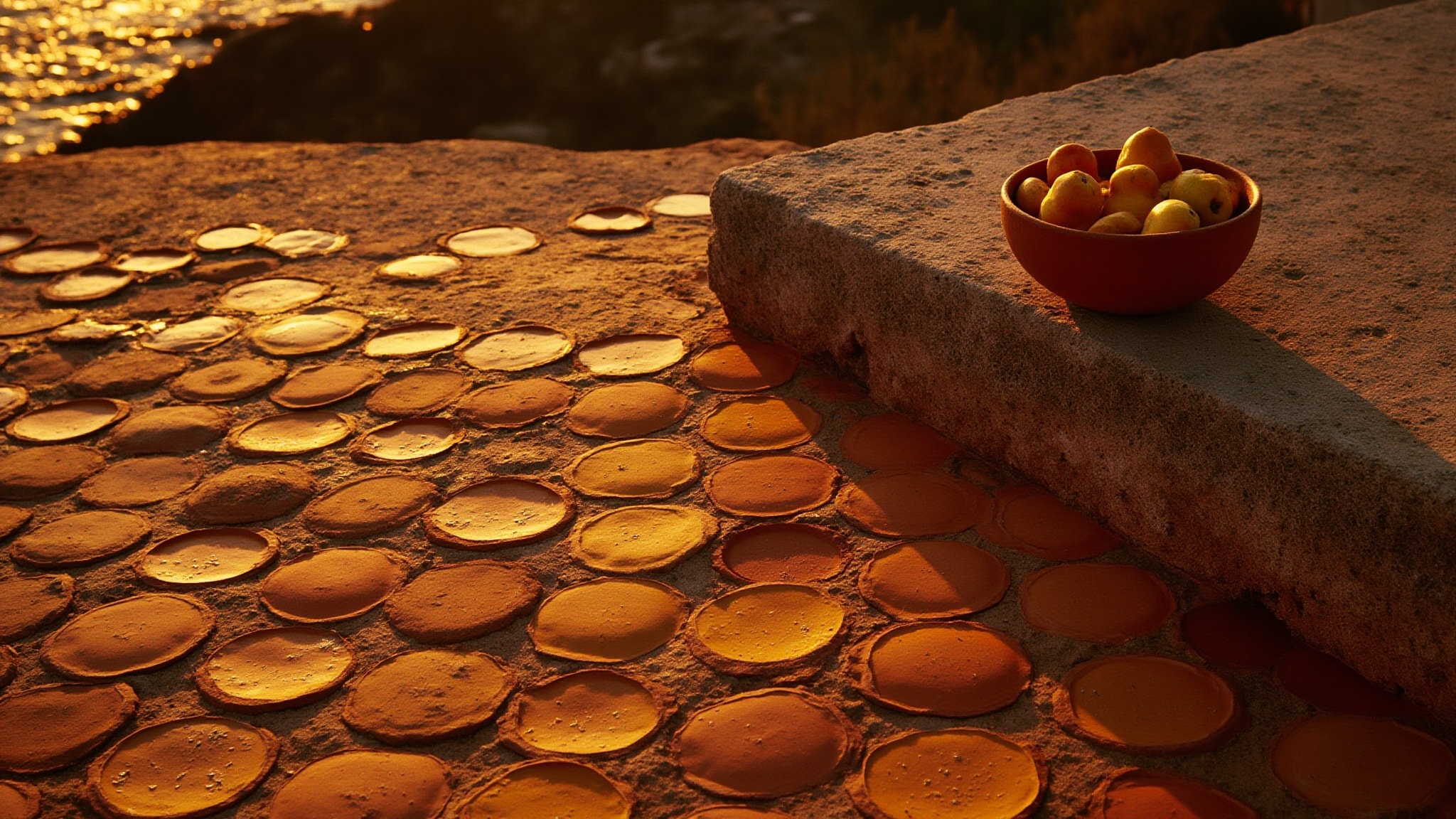
Casamorati 1888 draws from 19th-century Italian perfumery traditions, revived under the Xerjoff umbrella to bring historic craftsmanship into modern contexts. For Dolce Amalfi, the brand sources Iranian saffron to anchor the opening with a recognized warm spice, while the house's approach to Mediterranean sensibility is reinterpreted through a lens of spice, resin, and cream rather than coastal brightness. Miroslav Petkov constructed the fragrance around a clear progression from fruit to spice to resin, using ingredients that each carry a distinct geographic and olfactory identity.
The note selection reflects a deliberate balance between fruity freshness and oriental depth. Quince and apple provide the initial brightness that makes the opening approachable, while saffron and cardamom allow it to read as warm rather than sharp. The heart's clove and tolu balsam create a spiced balsamic pairing that feels cohesive and intentional rather than ornamental. By the time cedarwood and musk arrive in the drydown, the fragrance has completed a full narrative arc from sunlit fruit to warm resin to creamy wood.
The evolution
The opening act is defined by quince, apple, and cardamom, a trio that feels simultaneously crisp and warm. Iranian saffron intensifies the golden quality of these top notes, setting a warm Mediterranean tone from the first spray. As the heart develops over the first 20 to 40 minutes, clove and tolu balsam shift the trajectory toward resin and mild spice. Incense deepens this mid-section, weaving a smoky thread through the sweeter accords. In the drydown, vanilla and amber take ownership, their warmth softened by tonka bean's coumarin sweetness and eventually tamed by cedarwood's dry, woody presence before musks settle quietly into the skin.
Cultural impact
Dolce Amalfi draws from the rich tradition of Italian perfumery that flourished along the Amalfi Coast during the late 19th century. Casamorati 1888 represents a revival of classical Italian perfumery traditions, honoring the region's heritage in scent creation. The fragrance captures the essence of summer along Italy's most iconic coastline, with notes that evoke sun-drenched Mediterranean days and the relaxed elegance of coastal living. Ripe fruit notes mingle with warm spice and lush, verdant undertones, painting a picture of the region's natural abundance.