The Story
Why it exists.
The beginning
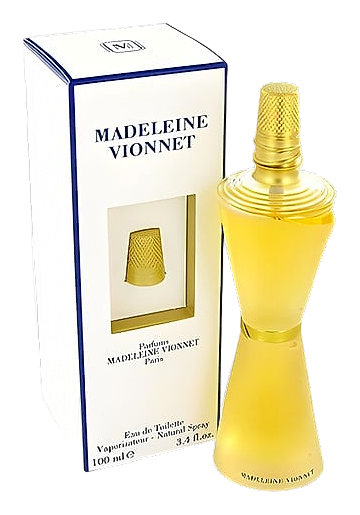
This fragrance begins where the couturière's philosophy left off. Vionnet believed that true elegance emerges from structural integrity, not ornament, a principle that shaped dresses and now shapes scent. Perfumer Françoise Caron translated this into an olfactory architecture: dark, complex, layered. The 1996 release doesn't announce itself. It reveals, progressively, the way the finest garments do.
Caron built the composition around a structural choice: rose leaf, present in both opening and heart, threads the fragrance together like an inner seam. Yellow florals, osmanthus, peach blossom, sit alongside tuberose, their creaminess grounded by amber, myrrh, cedar, sandalwood. The base doesn't overpower. It holds. The drydown stays close, intimate, unhurried, the way the right dress moves when you forget you're wearing it.
The evolution
Rose leaf arrives first, green and immediate. The ylang-ylang follows within minutes, warm, tropical, a little lush. The heart develops over the next two to three hours: osmanthus brings its apricot note, peach blossom adds powdery sweetness, and the tuberose unfolds, creamy and present without becoming indolic. By the fourth hour, the florals have softened and the amber-resin base takes over. Sandalwood and cedar hold steady. Myrrh lingers closest to the skin, warm and resinous. On fabric, the drydown persists into the next day, a quiet amber warmth that doesn't fade so much as settle.
Cultural impact
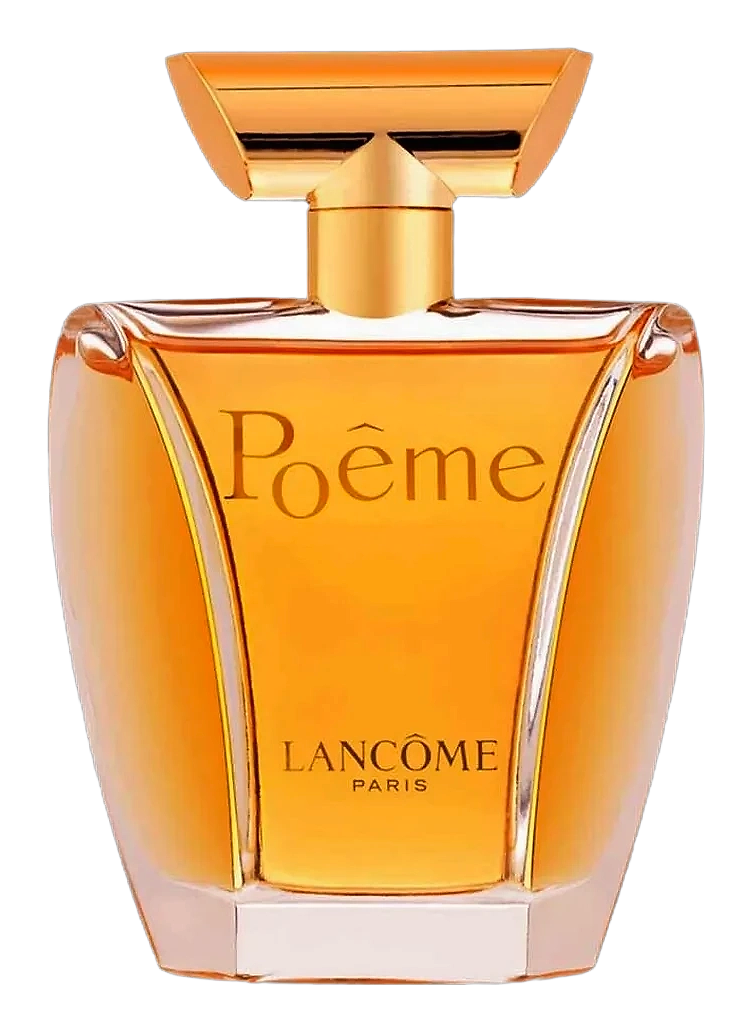
Madeleine Vionnet occupies a specific niche, between designer and niche, appealing to collectors who seek complexity without statement. The longevity draws consistent praise; the osmanthus-peach blossom heart is cited as distinctive. It shares DNA with tuberose-forward classics like Dior Poison and Lancôme Poême, though its yellow floral character sets it apart. The sillage is moderate, present at close range without announcing itself, lasting several hours before settling into the drydown.