Rose Leaf
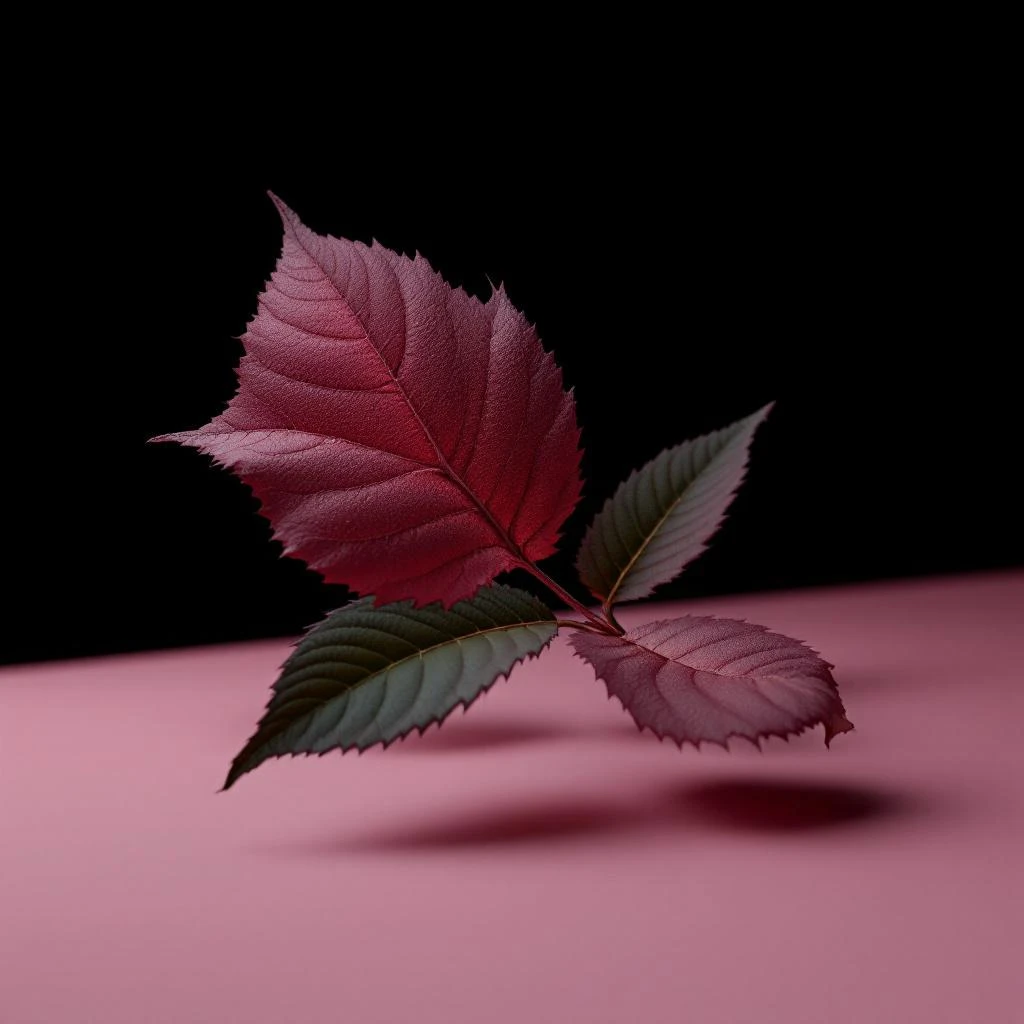
Rose leaf absolute captures the green, dewy edge of the garden before bloom fully takes over. Think crushed foliage, faint fruit, and the metallic sheen of morning stems rather than the syrupy depths of rose petals.
Character
How it smells
The green secret hiding beneath the bloom
Rose leaf absolute is one of the rarest perfume materials in existence, produced only in trace quantities from leaves that most growers discard entirely.









Origin
France
Rose leaf has never held the cultural stature of rose petal or rose otto, yet its quiet presence in the garden shaped centuries of horticultural tradition. Ancient Persian and Ottoman rose growers, credited with developing steam distillation for rose oil in the 10th century, observed that the foliage carried a different aromatic signature than the flowers, sharper and more astringent. In the European perfumery centers of Grasse, where Rosa centifolia has been cultivated since the 16th century, growers historically focused exclusively on bloom harvesting for pomade and later absolute production.
The leaves were composted or left in the field. It was not until the 20th century, as perfumers began dissecting the rose into individual aromatic components, that the green character of the foliage drew serious attention. Specialty extraction houses in France experimented with solvent extraction of leaves in the mid-1900s, producing small batches of an absolute prized for its ability to introduce realism and lift into rose-heavy compositions.
Today, rose leaf remains a niche ingredient, associated with artisanal and avant-garde perfumery rather than mainstream production, a quiet footnote in the long history of the queen of flowers.
Wears it best
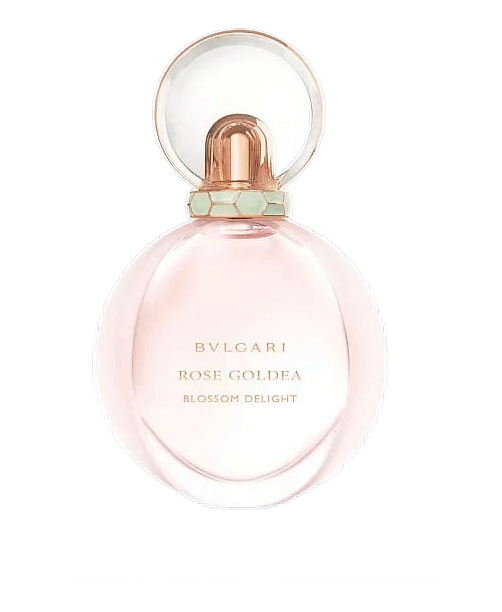
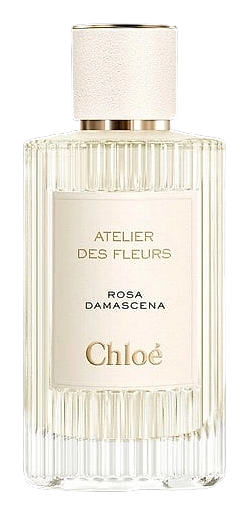
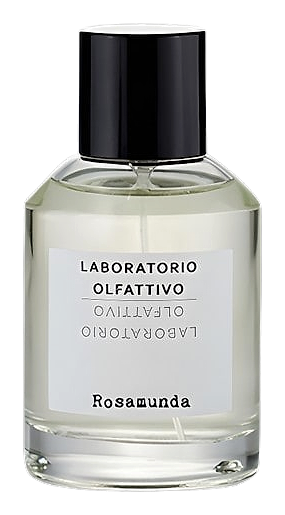
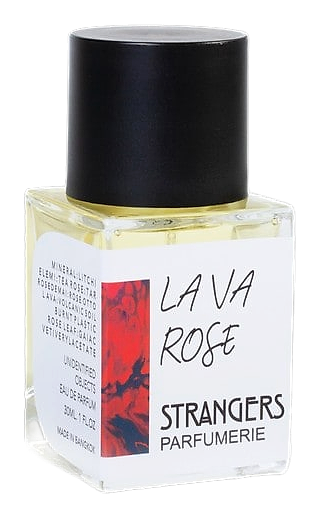
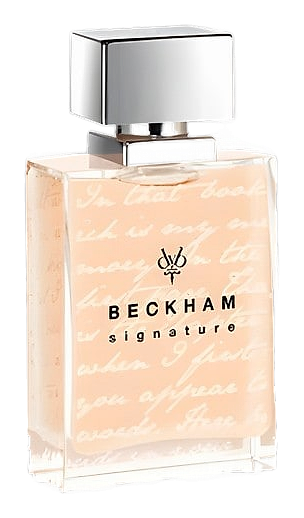
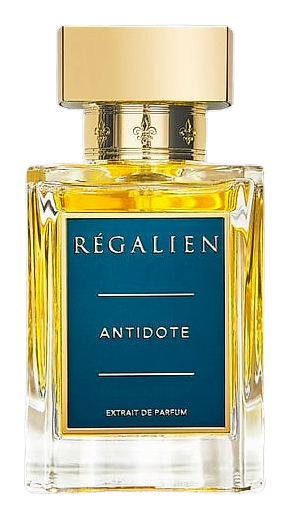
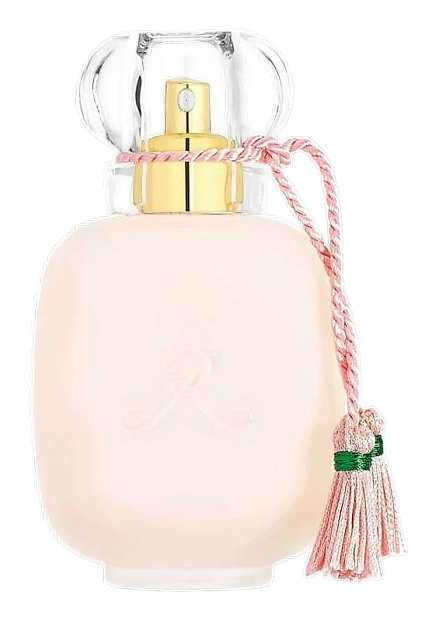
Fragrances featuring Rose Leaf

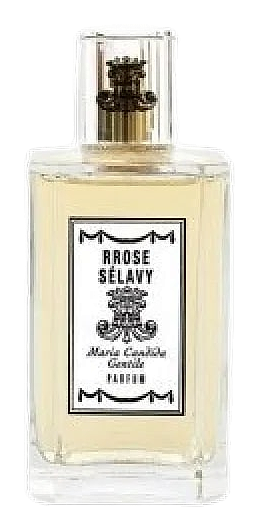
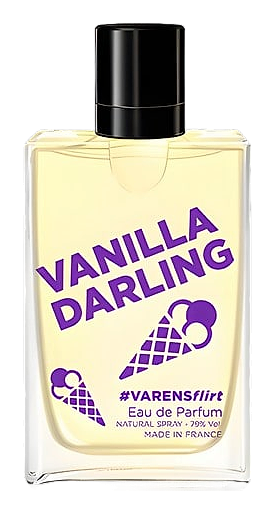
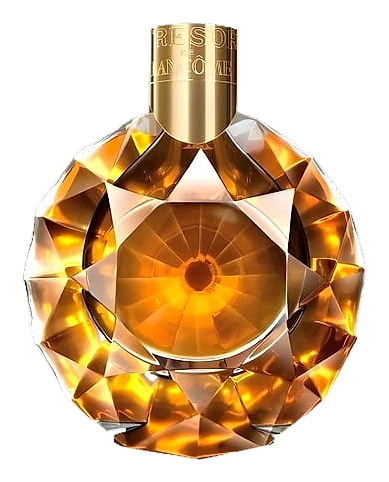
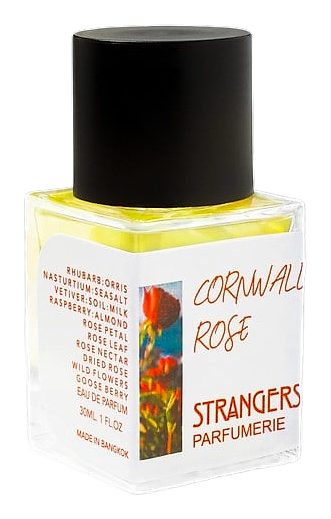
Brands
Brands known for Rose Leaf
Good to know
Questions, answered
The essentials on Rose Leaf in perfumery: how it smells, where it comes from, and how it behaves on skin.
Is rose leaf absolute natural or synthetic?
Rose leaf absolute is a natural material, produced through solvent extraction of fresh rose foliage. No commercially viable synthetic reproduction captures its full complexity, though individual aromatic molecules found in the leaves, such as certain green alcohols, are available as isolates.


