The Story
Why it exists.
The beginning
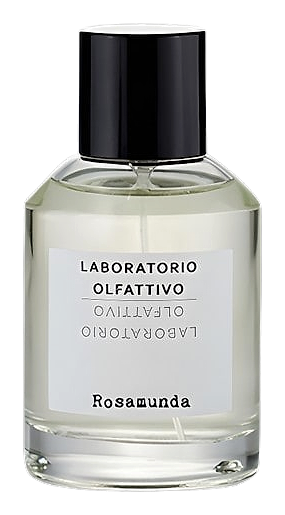
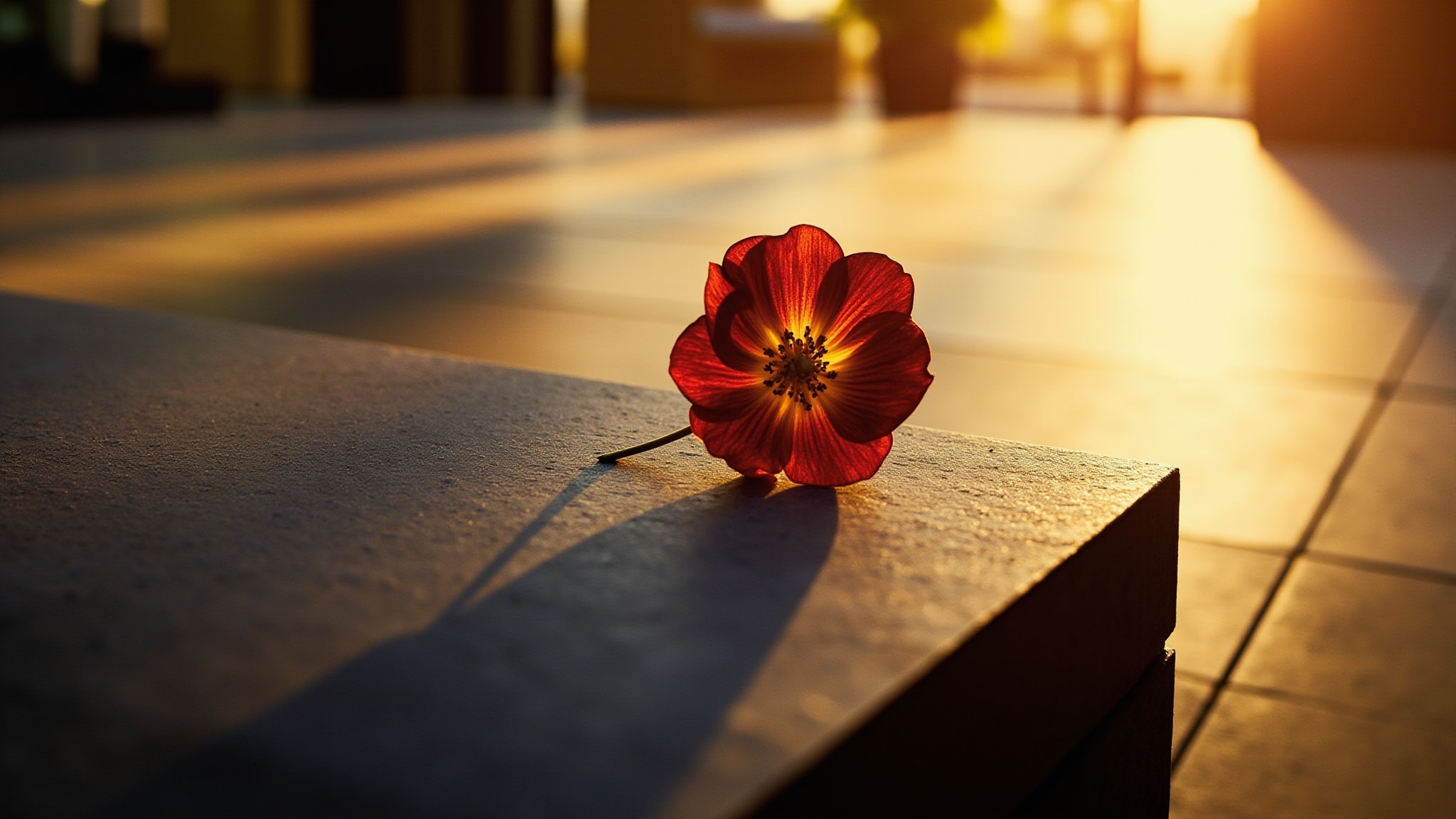
Marie Duchêne built Rosamunda around a single tension: a rose that exists in two registers at once. Elegant in the sunlight, passionate when the night comes down. The fragrance takes its name from the queen of flowers, but the reference goes deeper than beauty. Bulgarian and Turkish roses form the heart, but they're not delicate. They're layered, concentrated, given room to be sumptuous and a little bit dangerous. The rose absolute arrives with a honeyed richness that feels both opulent and grounded, its petals unfurling with a natural warmth that avoids any sense of sweetness for its own sake. This is a rose that refuses easy definition.
What makes Rosamunda distinctive is the patchouli. Not as a background note, but as a structural element. The earthy, camphoraceous character of the patchouli grounds the rose, prevents it from floating into something precious or one-dimensional. It creates a counterweight, a darkness that makes the florals feel more alive, more physical. The saffron amplifies this effect, adding a metallic spice that reads as almost medicinal in the opening before softening.
The evolution
The opening is saffron and rose leaf, green and sharp and immediate. The saffron reads metallic for the first moments, almost startling, before the rose absolute arrives and softens everything into something warmer. The heart develops over the next several hours, where the Turkish rose absolute blooms fully and the patchouli announces itself, earthy and camphoraceous, keeping the sweetness honest. By the drydown, the oud and musk take over, settling close to the skin in a warm, animal embrace. The cedar and sandalwood provide the structure underneath, creamy and dry, and the ambergris adds a saltiness that keeps the whole composition from feeling heavy. What remains the next morning is a trace of oud and musk, intimate and quiet, the kind of thing someone standing close to you might notice before you say anything at all.
Cultural impact
The rose-saffron-oud combination has become a notable accord in niche perfumery. Rosamunda stands apart through its bold patchouli presence, which pushes the composition into darker territory than a straightforward rosy fragrance. The scent is described as the kind of rose that commands attention without shouting, with real depth from the oud and musk foundation. Those who have experienced it find a rose with complexity and presence, a fragrance that moves beyond simple florals into something more layered and architecturally ambitious.