The Story
Why it exists.
The beginning
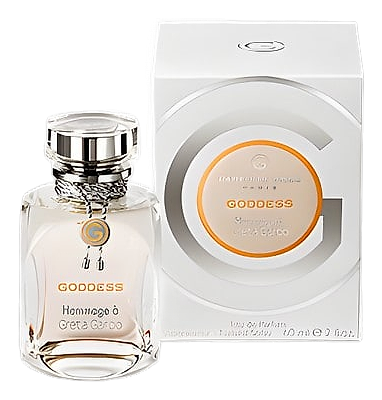
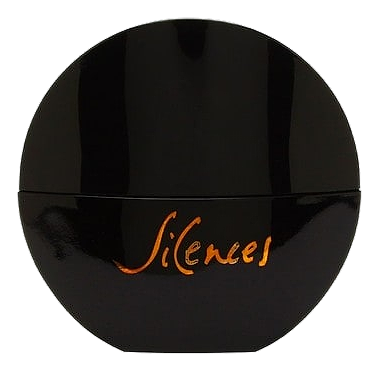
The name holds two figures. The Sphinx, a creature from Greek myth who guarded her secrets with riddles, answering wrong meant destruction. And Greta Garbo, the Swedish actress who became cinema's greatest mystery. She starred in silent films, then sound ones, then vanished. Moved to New York and lived behind walls of privacy so high that journalists paid fortunes for a blurry photograph of her buying groceries. Through her life and later stardom, she was very shy and tried to stay out of the lights, which her fame had turned on. You could say she was a Sphinx who let no one in. Released in 2009 by perfumer Marie Salamagne, Hommage à Greta Garbo captures that same paradox: a fragrance named for icons of mystery, yet one of the most approachable, gently beautiful scents in the Grès catalog. Fruity, fresh, and floral, not guarded, not cold. Almost as if the perfume itself is the side of Garbo the public never saw.
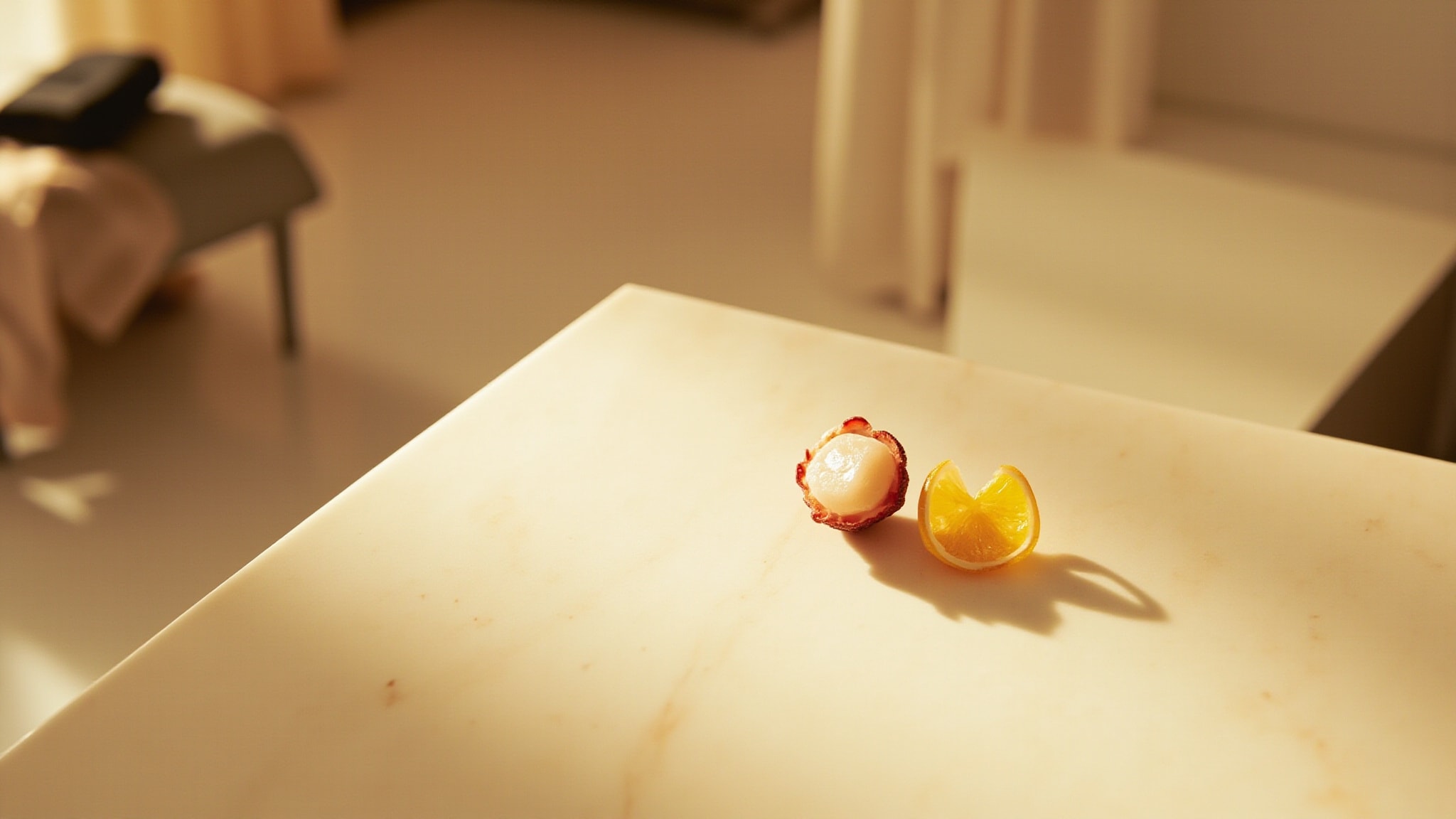
The real skill here isn't the notes, it's the restraint. Yuzu, the Japanese citrus, does something unexpected when paired with ripe peach and lychee: it cools them down. Tropical fruit can read saccharine, almost artificial. Here, the Yuzu cuts through with a clean, mineral edge, like the smell of sea air before it warms. The florals that follow, lotus and peony, are soft by nature but not shrinking. They occupy space without announcing it. And the base of cedarwood and patchouli adds just enough weight to prevent the whole thing from floating away. This is a composition that knows exactly what it wants to be, delicate, fresh, daytime, and commits without apology.
The evolution
The opening arrives quietly. Litchi, yuzu, and peach don't burst so much as diffuse, a gentle citrus-fruity cloud that sits close to the skin from the first moment. No aggressive top. No demand for attention. Within twenty minutes, the citrus softens and the florals take over. Peony and lotus emerge not as a wave but as a transition, the brightness becomes something rounder, cooler, like shade under a canopy. The rose leaf note is subtle, adding a green undertone that keeps the florals from reading heavy. The drydown is where cedarwood and patchouli earn their place. Neither dominates. They arrive together, smoothing the transition from floral heart to woody base, adding a warmth that lingers without projecting. On most skin types, expect three to four hours. On fabric, it holds a faint trace into the evening, the ghost of something that was once there, like a rumor of a famous face in a quiet room.
Cultural impact
The gap between name and nature is the most interesting thing about this fragrance. Named for Greta Garbo, a woman who fled fame itself, and the Sphinx, a myth built on secrecy and riddles, it is one of the gentlest, most approachable scents in the Floral Fruity category. It's the kind of fragrance you'd wear without thinking about it, then get asked about. The moderate sillage and shorter longevity mean it's not a statement piece, which may explain its cult following among people who prefer not to announce themselves. Marie Salamagne, the perfumer, has worked extensively in both fine fragrance and cosmetics, bringing a precision to this composition that matches the Garbo paradox: famous for being invisible.