The Story
Why it exists.
The beginning
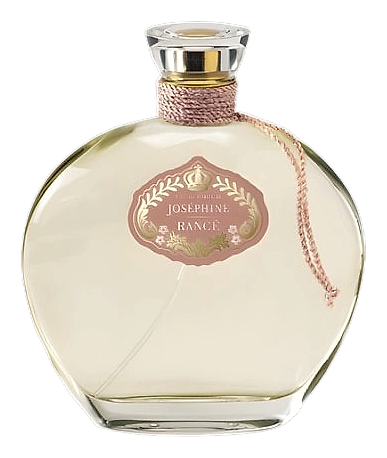
Jeanne Sandra Rance created Josephine in 2005 for Rance 1795, the Grasse house that has operated without interruption since 1795, once supplying the French imperial court. The dedication to Empress Josephine, Napoleon Bonaparte's first wife, guides every choice. Rather than reaching for novelty, Jeanne Sandra Rance returned to the florals that defined early 19th-century feminine fragrance, hyacinth, rose, peony, and lilac, grounded them in a citrus-green bergamot and hawthorn opening, then extended the composition toward a warm sandalwood and vanilla base that reflects the sensuality Josephine was said to carry in her personal style.
The note selection reflects a philosophy of restraint. Eight floral components in the opening are not a gesture of excess but a deliberate recreation of the dense flower gardens Josephine kept at Malmaison. Hawthorn and galbanum provide the green structural backbone that prevents the florals from feeling static. The vanilla and sandalwood drydown are chosen not for volume but for intimacy, a fragrance meant to be discovered rather than announced. This is classical perfumery with a specific historical anchor, built for someone who prefers a composed presence to a loud one.
The evolution
The fragrance follows a trajectory from bright florals to structured heart to intimate base. Bergamot and hawthorn open with immediate freshness. Hyacinth, rose, and peony arrive within the first minutes, painting a garden tableau that is lush but never heavy. The transition to the heart happens gradually, as iris and geranium introduce powdery, green complexity while blackcurrant and violet leaf add contrast. Peach and clove temper the heart's trajectory, keeping it romantic rather than sharp. By the time sandalwood, vanilla, and ebony wood arrive, the wearer is inside a warm, close fragrance that echoes the composed elegance of its namesake without demanding attention from the room.
Cultural impact
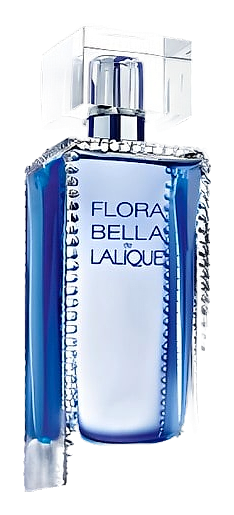
Rancé 1795 occupies an unusual position in the fragrance world, old enough to have historical legitimacy, small enough to avoid the trend-chasing that defines many houses at its price point. Joséphine fits into a niche of floriental fragrances that resist the extremes of either direction: neither aggressively sweet nor austerely minimal. The powdery floral character places it alongside compositions like Flora Bella by Lalique, also launched in 2005, suggesting a broader cultural moment when powdery florals were being revisited with a contemporary hand. Wearers tend to describe it as the fragrance of someone who doesn't need to announce themselves, confident, warm, and quietly present rather than loudly projected.