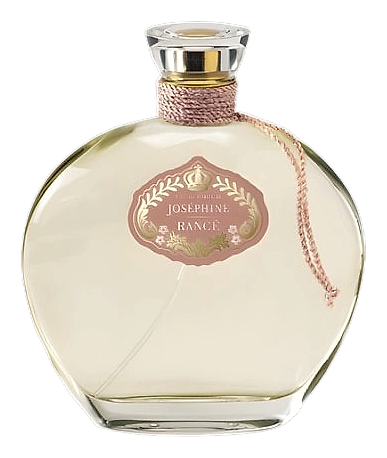
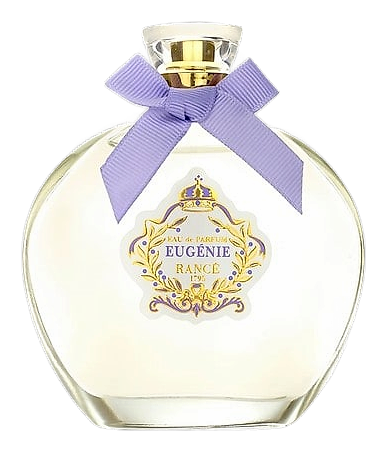
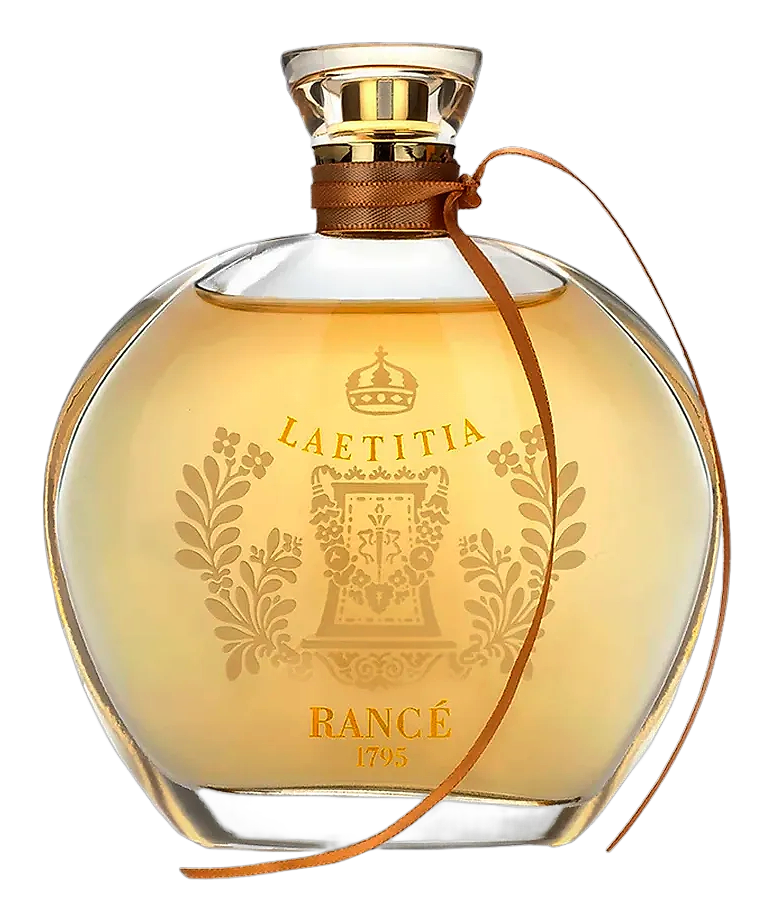
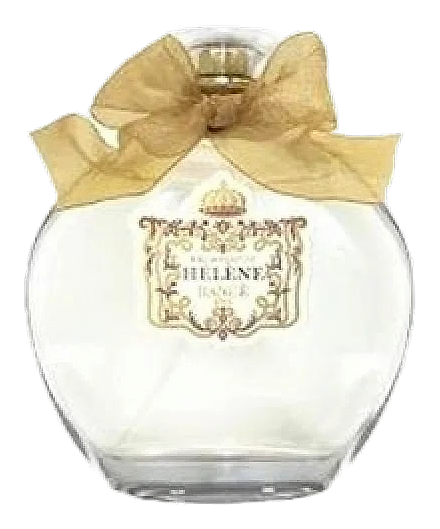
The Heritage
The Story of Rance 1795
Rancé 1795 is a French perfume house that traces its origins to the late eighteenth century. Founded in Grasse by François Rancé, the brand has survived more than two centuries of political change, artistic movements and shifting consumer tastes. Today it offers a curated portfolio of niche scents that blend historic techniques with contemporary sensibilities, appealing to collectors who value depth and continuity.
Heritage
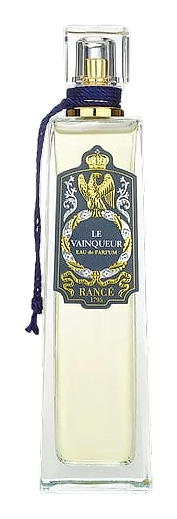
The story begins in 1795 when François Rancé, a member of a family of maîtres‑gantiers, opened a small laboratory in Grasse. Historical records show that he shifted the family’s focus from textile dyes to perfume distillation, a decision that aligned with Grasse’s emergence as the world’s perfume capital. By the early nineteenth century the house had secured a contract with the French imperial court, supplying fragrances for official ceremonies. Over the next two generations the Rancé family expanded distribution to Parisian boutiques, while maintaining a modest production scale that emphasized quality over volume. In 1902 the fifth generation introduced the first glass flacon with a hand‑etched label, a design that remains a visual hallmark. The brand survived both World Wars; archives indicate that during World War I the workshop was repurposed to produce morale‑boosting scents for soldiers, and after World War II the seventh generation, Patrick Rancé, revived the line with a focus on heritage blends such as Le Vainqueur (2005) and Avant le Jour (2012). The 2008 release Laetitia Millésime marked the first collaboration with a contemporary perfumer, signaling a willingness to integrate modern olfactory research while respecting the house’s historic DNA. In 2015 the collection expanded with Hortense and Heroique, both praised in niche fragrance reviews for their layered compositions. Throughout its 230‑year existence, Rancé 1795 has remained family‑owned, passing stewardship from one generation to the next, a continuity that the brand cites as its core identity.
Craftsmanship
Production at Rancé 1795 still takes place in the historic Grasse district, where the house maintains a small‑scale distillation facility. The process begins with the selection of raw materials—often sourced from certified farms in Provence, Madagascar and the Comoros. For example, the rose absolute used in Laetitia Millésime comes from a cooperative that practices low‑pesticide cultivation, a fact confirmed by a 2022 agricultural report. Once harvested, botanicals undergo steam distillation or solvent extraction, methods documented in the house’s archival manuals dating back to the nineteenth century. The resulting essences are aged in copper vats for periods ranging from three months to a year, allowing volatile compounds to mature and integrate. Master perfumers then blend these aged extracts with carrier oils, adhering to precise ratios recorded in handwritten formulae. Quality control includes gas‑chromatography analysis to verify the purity of each ingredient, a practice introduced in the early 2000s after a partnership with a French university laboratory. Bottling occurs by hand; artisans polish each glass flacon, apply a hand‑etched label and seal the cap with a wax stamp that bears the Rancé family crest. The final product is inspected for consistency of scent, visual presentation and packaging integrity before being dispatched to boutique partners worldwide.
Design Language
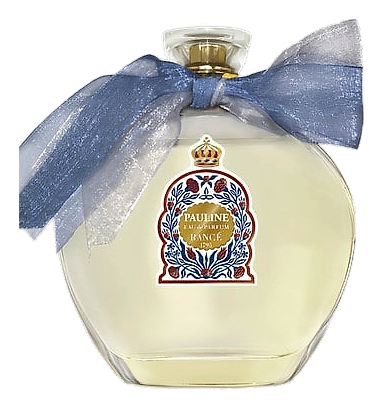
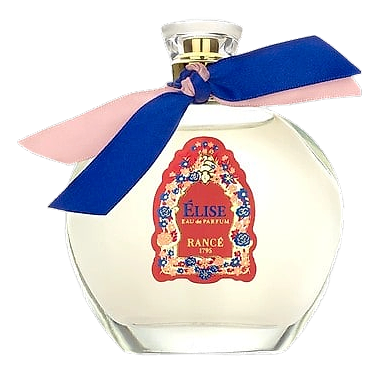
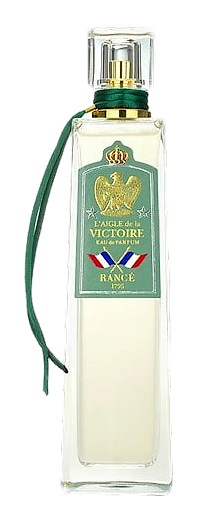
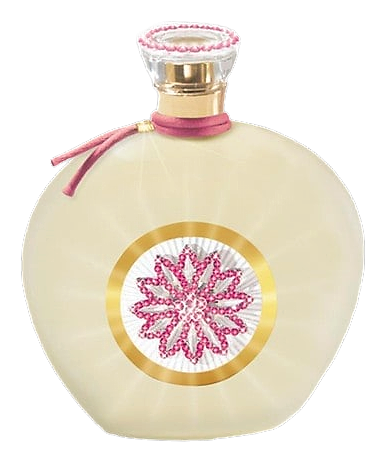
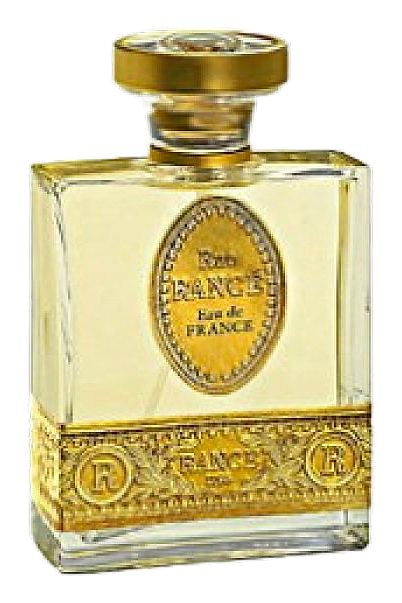
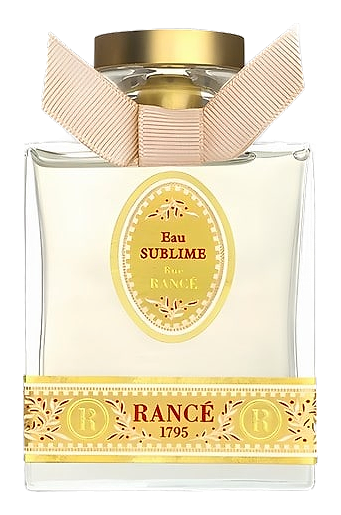
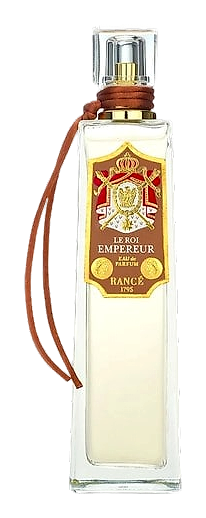
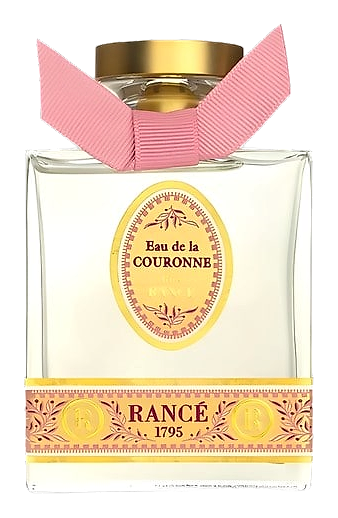
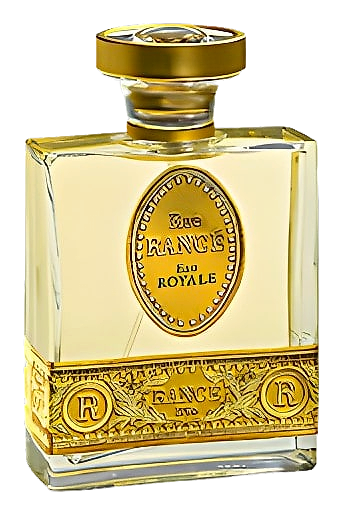
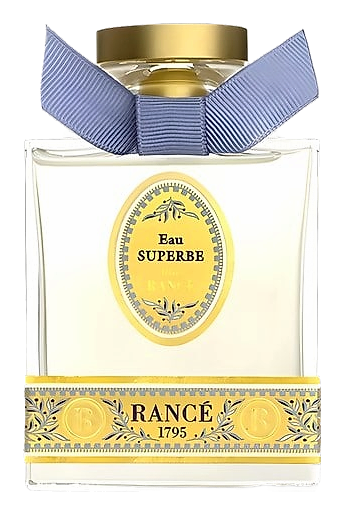
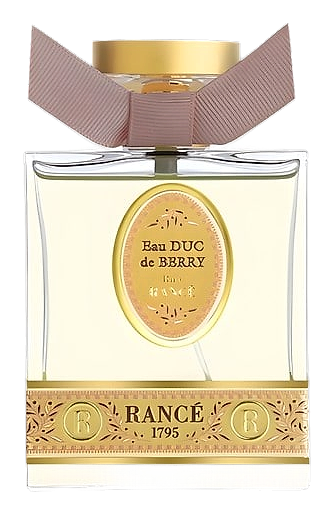
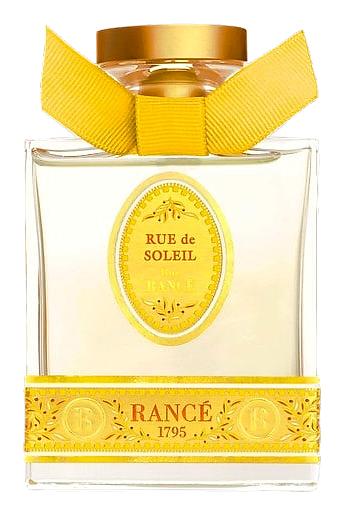
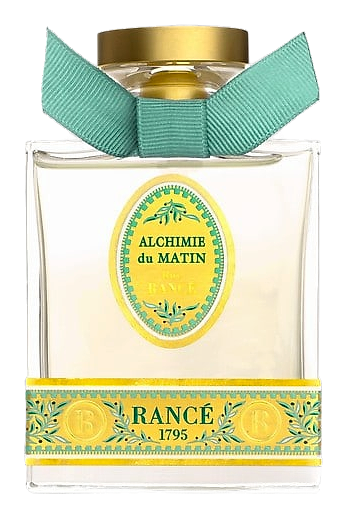
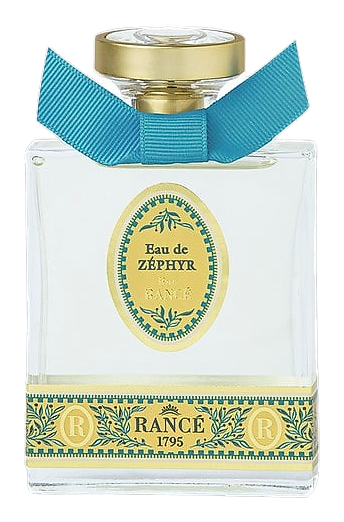
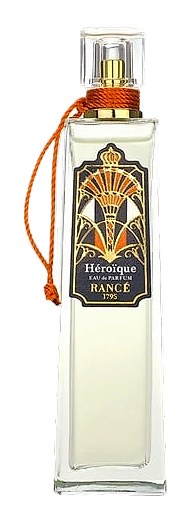
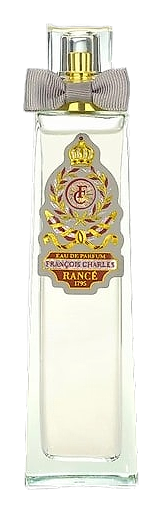
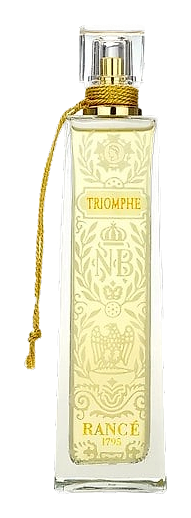
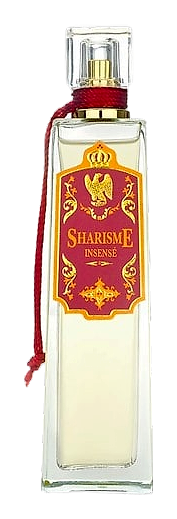
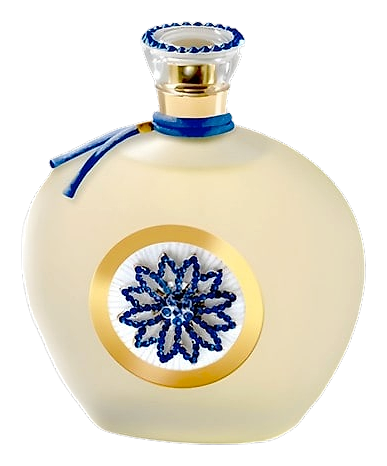
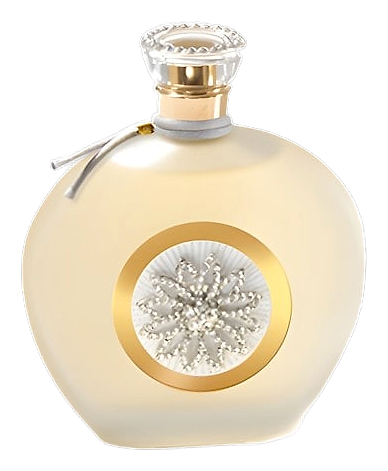
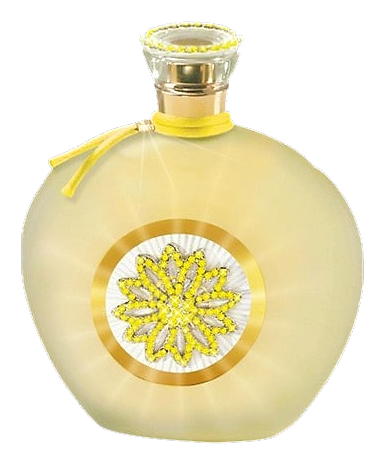
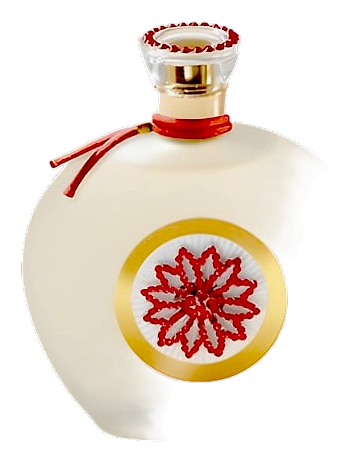
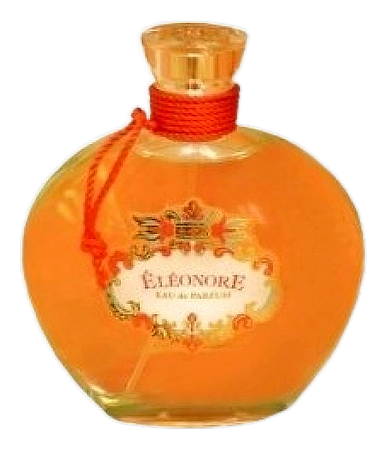
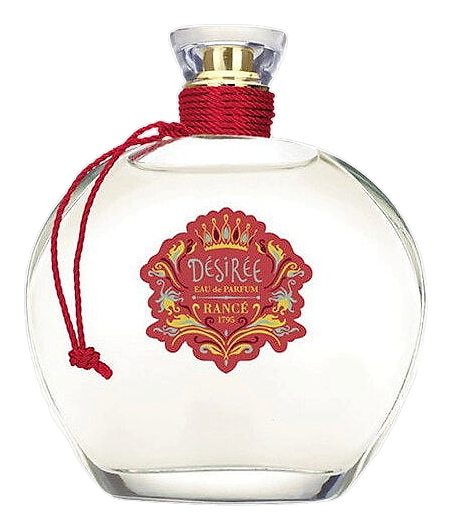
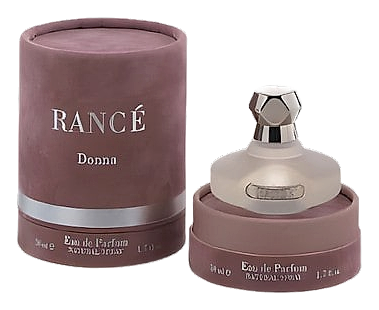
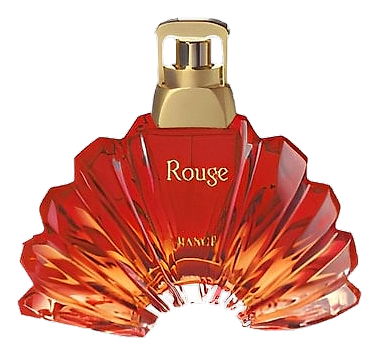
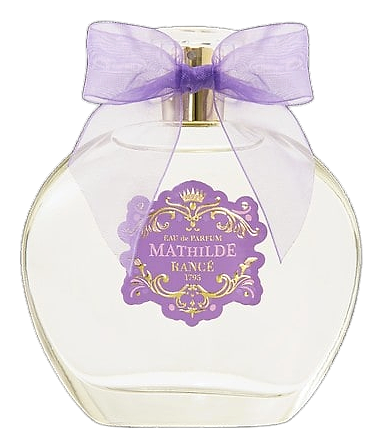
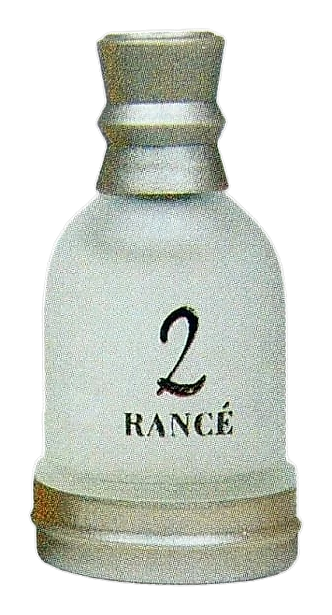
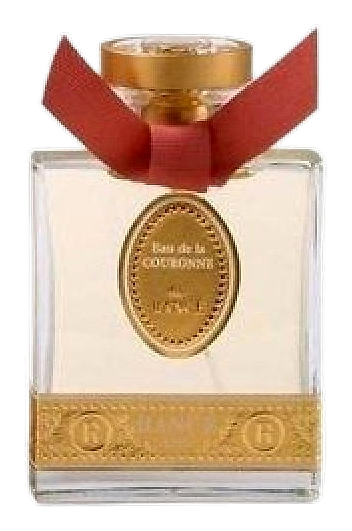
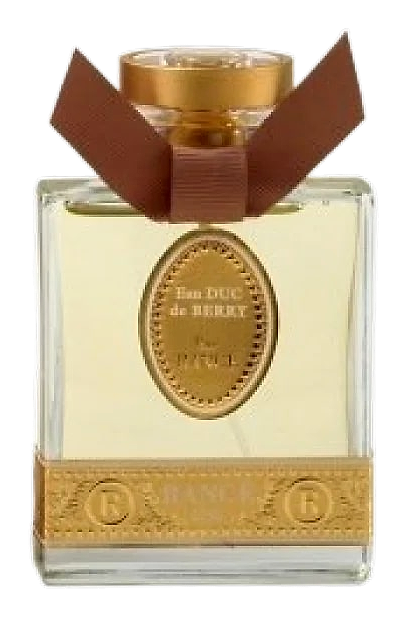
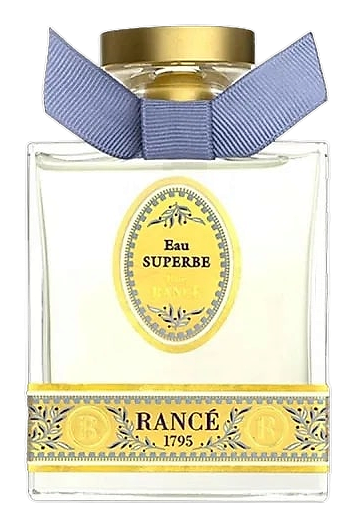
The visual language of Rancé 1795 reflects its heritage while speaking to a modern audience. Bottles are typically crafted from clear or amber glass, allowing the colour of the perfume to become a focal point. The brand’s signature element is a hand‑etched border that frames the label, a nod to the copper‑plate engravings used by the founder’s descendants in the early 1900s. Labels feature a minimalist serif typeface, the family crest rendered in gold foil, and the year of release, reinforcing the narrative of continuity. Packaging boxes are made from recycled cardboard, printed with a subtle linen texture that evokes the tactile quality of historic perfume cabinets. The colour palette leans toward muted earth tones—deep greens, warm ochres and soft ivory—mirroring the natural ingredients that define the scents. In recent campaigns, the brand has collaborated with contemporary photographers to capture the fragrances in settings that juxtapose historic architecture with contemporary interiors, underscoring the house’s commitment to bridging eras.
Philosophy
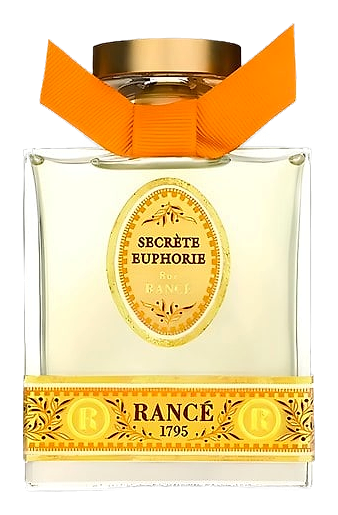
Rancé 1795 frames its creative mission around the dialogue between past and present. The house believes that a fragrance should tell a story rooted in place, material and memory, and that each scent must respect the integrity of its raw ingredients. Its values prioritize transparency in sourcing, respect for traditional Grasse techniques, and a measured embrace of scientific advances. Rather than chasing trends, the brand seeks to reinterpret classic accords—such as the citrus‑green notes of Rue Rance Alchimie du Matin (2018) or the powdery rose of Secrète Euphorie (2017)—through a contemporary lens. The philosophy also stresses stewardship of the environment; recent statements indicate a move toward sustainably harvested botanicals and reduced waste in the distillation process. By positioning the perfume as a cultural artifact, Rancé encourages collectors to view each bottle as a chapter in a larger narrative, rather than a fleeting fashion item.
Key Milestones
1795
François Rancé establishes a perfume laboratory in Grasse, shifting the family business from textile dyes to fragrance.
1804
Rancé becomes official supplier to the French imperial court, providing scents for state ceremonies.
1902
Introduction of the first hand‑etched glass flacon, a design element that persists in modern releases.
2005
Launch of Le Vainqueur, marking the brand’s re‑entry into the niche market after a period of limited production.
2012
Avant le Jour debuts, showcasing a collaboration with a contemporary perfumer and receiving positive coverage in niche fragrance publications.
2015
Release of Hortense and Heroique, both noted for complex layering and praised in independent scent reviews.
At a Glance
Brand profile snapshot
Origin
France
Founded
1795
Heritage
231
Years active
Collection
4
Fragrances released
Avg Rating
3.9
Community sentiment
Release Rhythm


