
The Story
Why it exists.
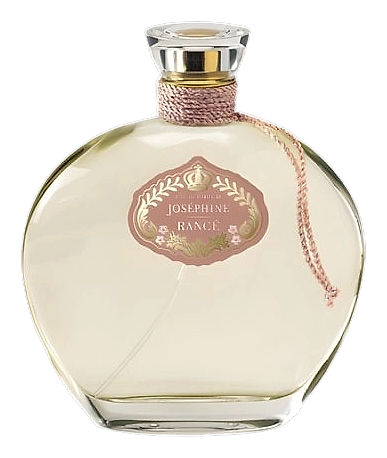
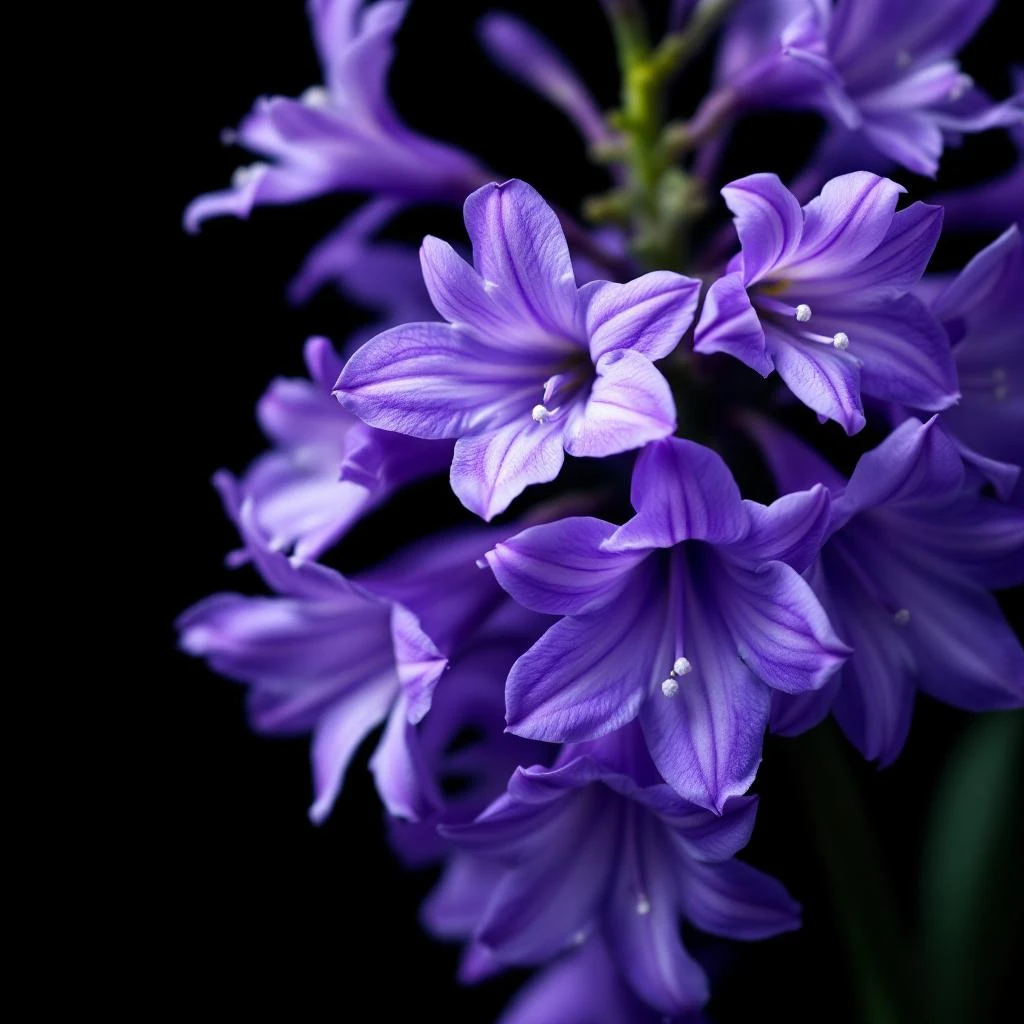
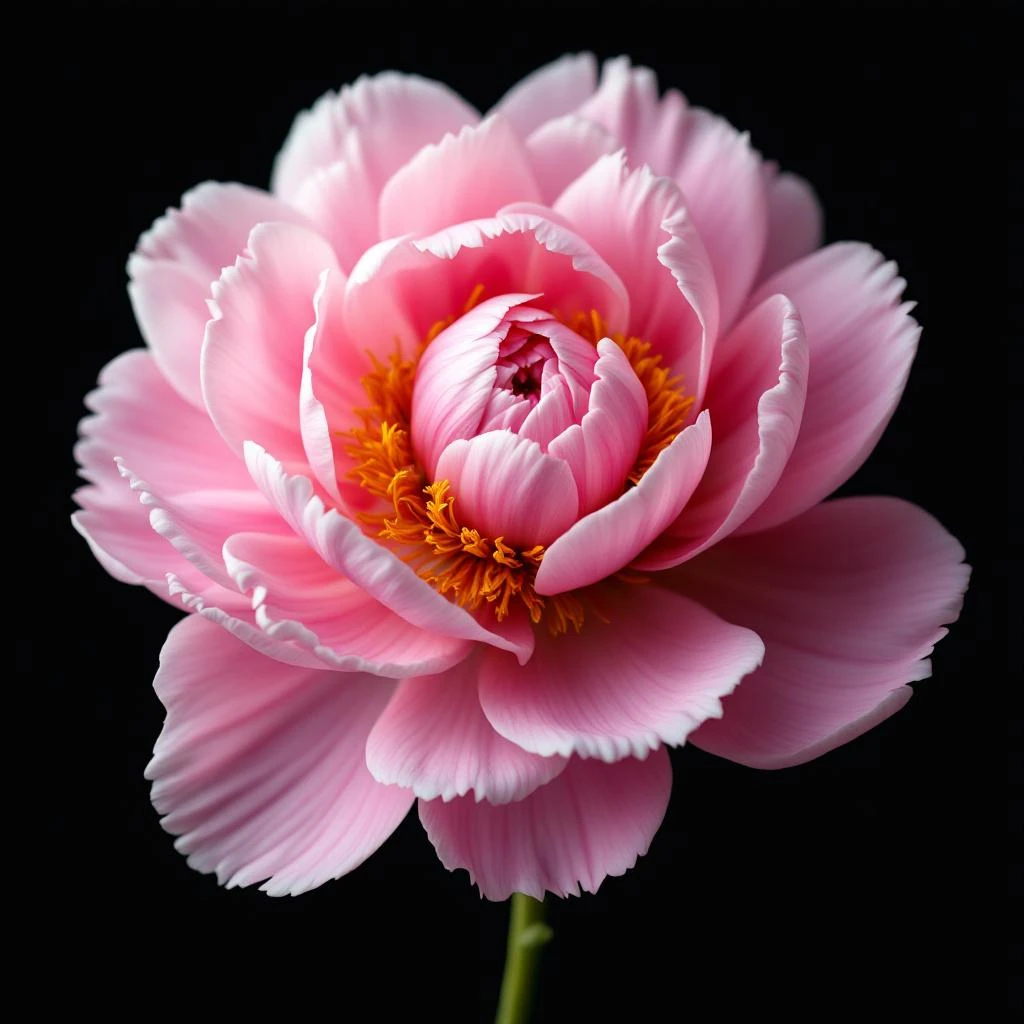
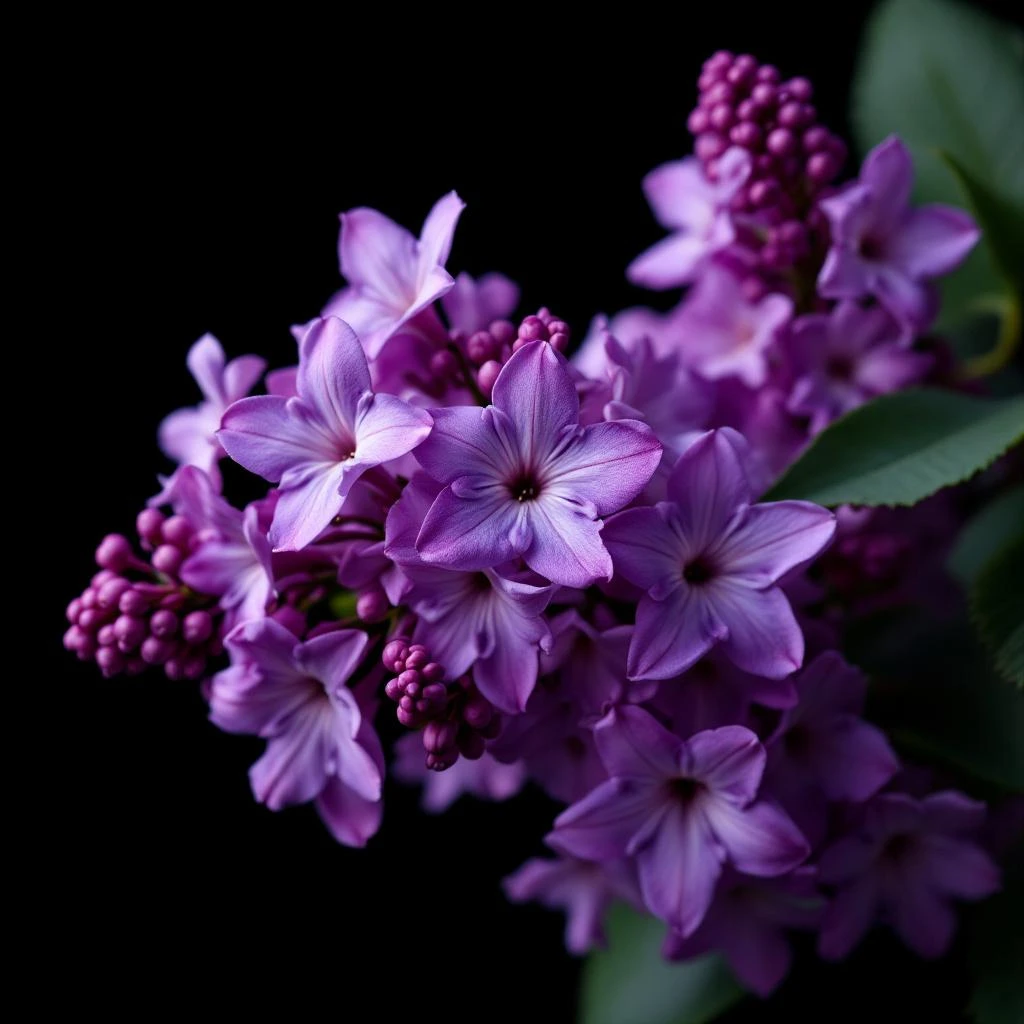
François Rancé dedicated this 2005 fragrance to Empress Joséphine, the woman Napoleon loved most, reimagined as a warm, mysterious floriental. The official brand description calls her 'the woman most loved by Napoleon,' and that reverence runs through every layer of the composition. Rather than a literal portrait, Rancé translated her aura: the enveloping sweetness of Bulgarian rose anchors the opening, layered with peony, hyacinth, and lilac to suggest the abundance of a spring garden. A hint of clove and geranium adds the quiet spice of court intrigue, while sandalwood and white musk bring the warmth of skin that has been wearing perfume long enough to become inseparable from it. This isn't a historical reconstruction. It's an homage rendered in modern accord, warm enough to feel intimate, powdery enough to feel timeless, structured enough to hold its shape from morning to evening. Joséphine wears her name without being imprisoned by it.
If this were a song
Community picks
At Last
Etta James
The Beginning
François Rancé dedicated this 2005 fragrance to Empress Joséphine, the woman Napoleon loved most, reimagined as a warm, mysterious floriental. The official brand description calls her 'the woman most loved by Napoleon,' and that reverence runs through every layer of the composition. Rather than a literal portrait, Rancé translated her aura: the enveloping sweetness of Bulgarian rose anchors the opening, layered with peony, hyacinth, and lilac to suggest the abundance of a spring garden. A hint of clove and geranium adds the quiet spice of court intrigue, while sandalwood and white musk bring the warmth of skin that has been wearing perfume long enough to become inseparable from it. This isn't a historical reconstruction. It's an homage rendered in modern accord, warm enough to feel intimate, powdery enough to feel timeless, structured enough to hold its shape from morning to evening. Joséphine wears her name without being imprisoned by it.
What makes this composition distinctive is the way the powdery accord integrates into the structure rather than sitting on top of it. In many fragrances, powder reads as a finish, a drydown quality you notice after the florals fade. Here, the white iris and white musk enter early enough that they shape the heart alongside the Bulgarian rose, creating a composition that is powdery from the first spray. The Bulgarian rose absolute is the foundation. It carries both sweetness and a green, slightly metallic edge that prevents the fragrance from flattening into simple warmth.
The Evolution
The opening announces itself clearly. Bulgarian rose and peony arrive together, bright and girlish, with bergamot lifting the whole arrangement just enough to feel effervescent. Lilac and hawthorn add a green, slightly bitter undertone that keeps the florals from reading as sweet, this is a garden, not a candy counter. Within the first hour, the composition shifts. Clove and geranium move forward, adding warmth and a subtle spice that changes the character. The florals don't disappear; they deepen, becoming richer and more textured. Iris enters around the 90-minute mark, lending a powdery quality that begins to reshape the overall impression. By hour three, the drydown is fully in control. Sandalwood and vanilla take over, with white musk adding intimacy. The sillage drops from moderate to close, this is a fragrance that stays near the skin rather than announcing itself across a room. The final hours smell like warm fabric, Bulgarian rose residue, and the quiet that follows a sustained presence. On most skin types, the full arc runs six to eight hours.
Cultural Impact
Rancé 1795 occupies an unusual position in the fragrance world, old enough to have historical legitimacy, small enough to avoid the trend-chasing that defines many houses at its price point. Joséphine fits into a niche of floriental fragrances that resist the extremes of either direction: neither aggressively sweet nor austerely minimal. The powdery floral character places it alongside compositions like Flora Bella by Lalique, also launched in 2005, suggesting a broader cultural moment when powdery florals were being revisited with a contemporary hand. Wearers tend to describe it as the fragrance of someone who doesn't need to announce themselves, confident, warm, and quietly present rather than loudly projected.
The House
France · Est. 1795
Rancé 1795 is a French perfume house that traces its origins to the late eighteenth century. Founded in Grasse by François Rancé, the brand has survived more than two centuries of political change, artistic movements and shifting consumer tastes. Today it offers a curated portfolio of niche scents that blend historic techniques with contemporary sensibilities, appealing to collectors who value depth and continuity.
If this were a song
Community picks
Classic Parisian salon, circa 1955. Powdery florals, warm woods, and the kind of confidence that doesn't argue. The soundtrack is torch songs and bossa nova, intimate, unhurried, with just enough heat to matter. Think Edith Piaf at close range, not a string quartet across the room. This is music for the hour after the event, not the entrance.
At Last
Etta James