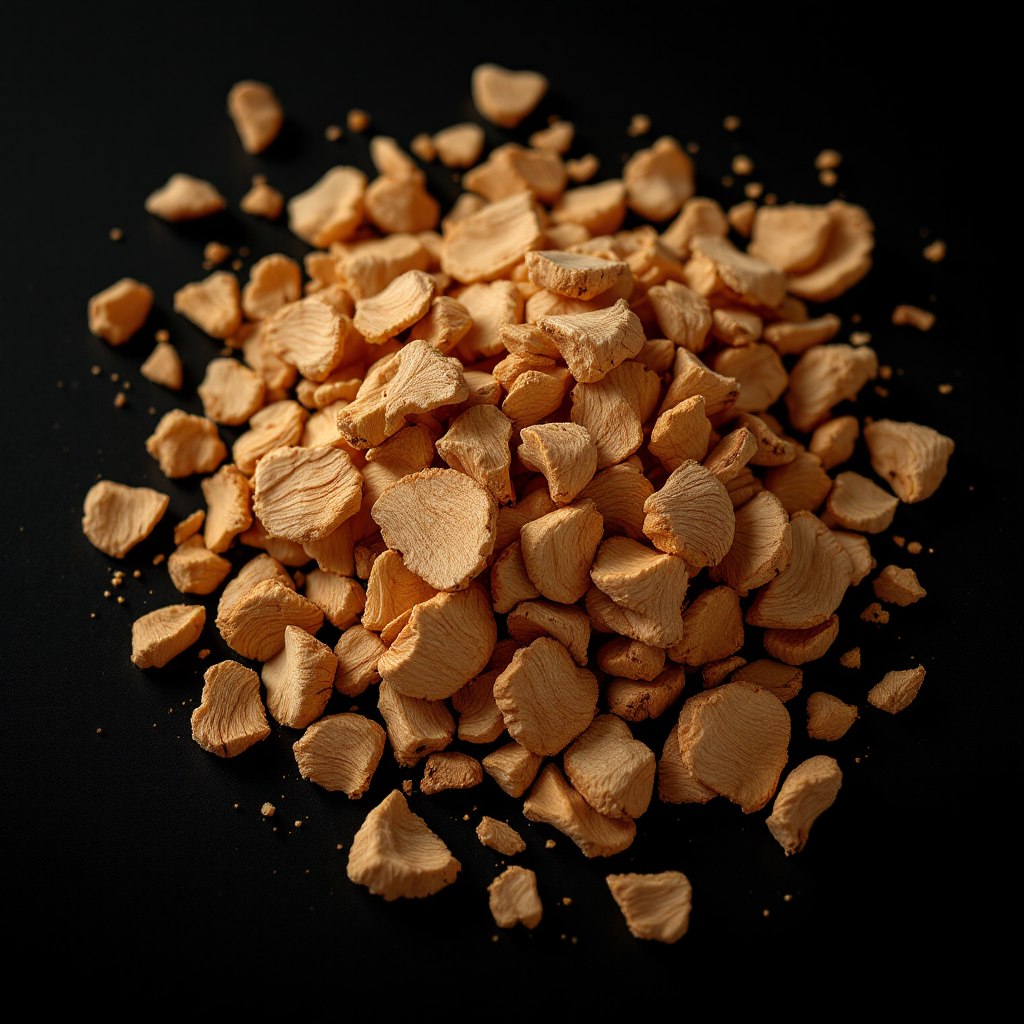
Ebony Wood
Ebony wood delivers a dark, smoky, and intensely woody aroma with subtle resinous and earthy undertones. Its dense, luxurious character brings mystery and depth, making it a prized base note in high-end perfumery for centuries.
Character
How it smells
The darkest wood, the deepest resonance.
Ebony is the densest wood in the world, so heavy it sinks in water rather than floats, a quality that translates into perfumery as profound lasting power.








Origin
West Africa
Ebony wood has held sacred status across civilizations for millennia. Ancient Egyptians carved ebony into cosmetics containers and temple offerings, believing its darkness held spiritual power. Greek and Roman artisans reserved it for imperial furniture, while medieval African traders controlled access to these precious trees along trans-Saharan routes.
By the 19th century, European cabinetmakers competed fiercely for Gabon and Ceylon ebony stocks for piano keys and fine inlay work. Perfumers began systematically exploring ebony's aromatic potential in the 1970s, when the industry sought complex base notes to anchor increasingly sophisticated fragrance constructions.
Wears it best
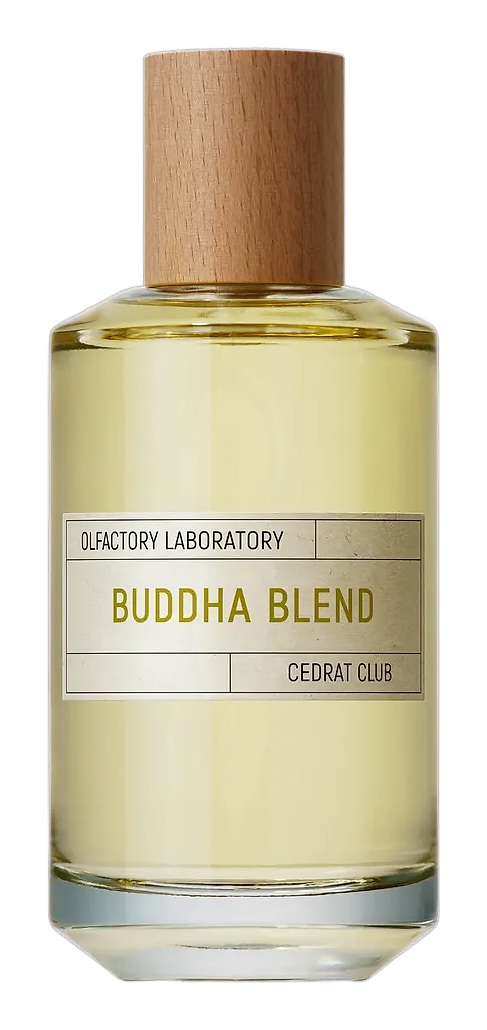
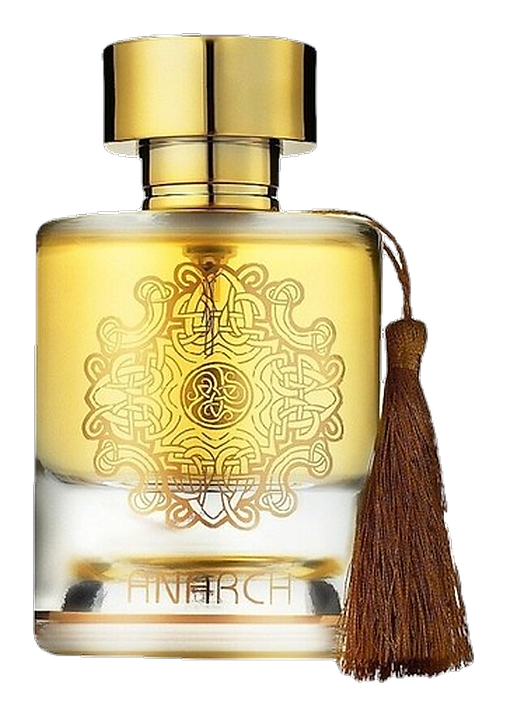
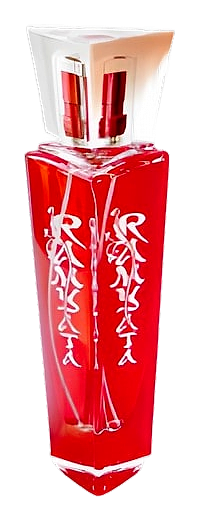
Fragrances featuring Ebony Wood
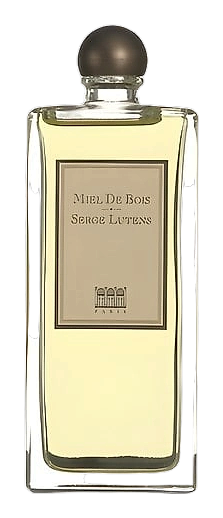
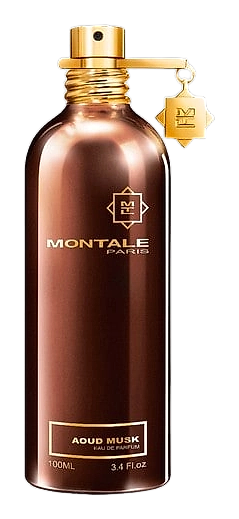
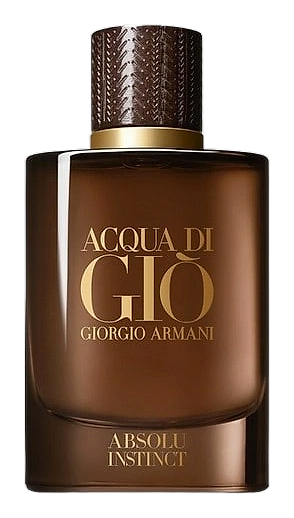
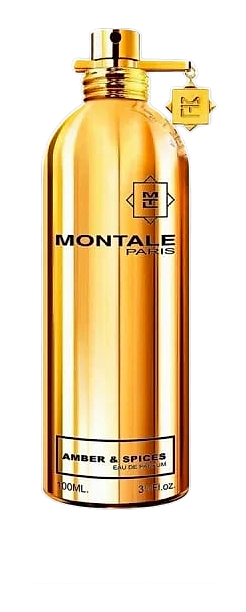

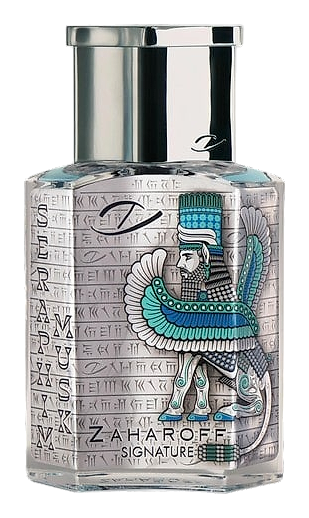
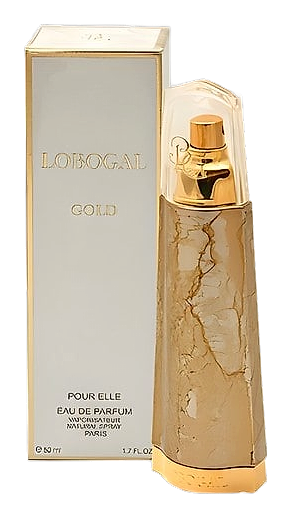
Brands
Brands known for Ebony Wood
Good to know
Questions, answered
The essentials on Ebony Wood in perfumery: how it smells, where it comes from, and how it behaves on skin.
What does ebony wood smell like?
Ebony wood offers a dark, smoky, and resinous aroma with subtle sweetness and earthiness. It smells simultaneously smooth and intense, like burned wood with underlying balsamic and leather-like qualities.
Where does ebony wood come from?
The finest perfumery-grade ebony grows in West and Central Africa, particularly Gabon, Cameroon, and Nigeria. Asian species from Sri Lanka and Indonesia also contribute to the global supply.
Is ebony wood a top, heart, or base note?
Perfumers classify ebony almost exclusively as a base note. It anchors fragrances with lasting depth, typically emerging after 3 hours and lingering on skin for 6 to 10 hours.
How is ebony wood extracted for perfumery?
Steam distillation is the most common industrial method, though CO2 extraction preserves more complex aromatic compounds. Small-batch artisans use wood infusion for a subtler, more nuanced extract.
What makes ebony wood unique among fragrance ingredients?
Its exceptional density sets ebony apart. The wood's near-black heartwood contains highly concentrated aromatic compounds, producing an extract that remains detectable on skin far longer than lighter woods.
What fragrances pair well with ebony wood?
Ebony harmonizes with other woods like sandalwood, cedar, and vetiver. It also complements warm resins such as benzoin, labdanum, and styrax, creating smoky, enveloping compositions.
Is ebony wood used in men's or women's fragrances?
Ebony appears across gender categories, though it dominates masculine and unisex orientals and woody compositions. Recent releases increasingly feature it in gender-fluid luxury perfumes.
What is the difference between ebony and oud in perfumery?
Oud carries animalic, medicinal, and intensely complex qualities with strong projection. Ebony provides cleaner, smokier, more restrained woody depth without oud's characteristic barnyard facets.