The Story
Why it exists.
The beginning
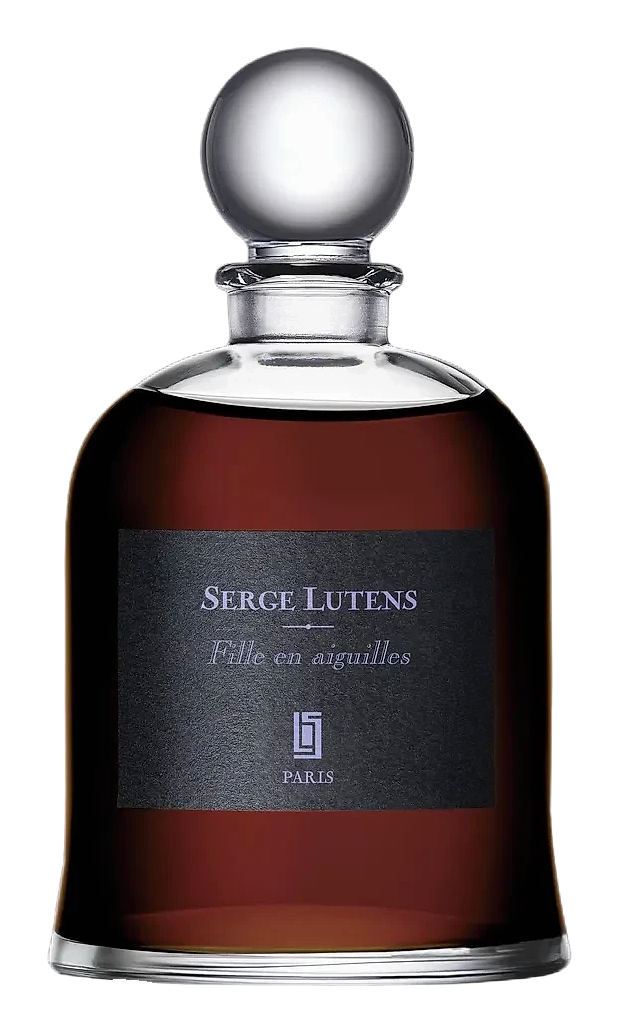
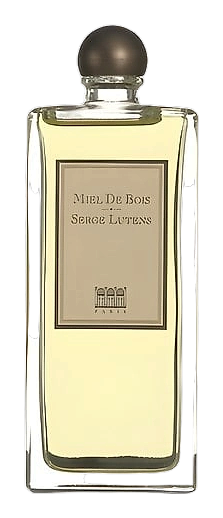
Serge Lutens was a photographer, makeup artist, and image-maker before he ever blended a note. He brought that visual intelligence to fragrance when he founded his house under Shiseido in 2000. Miel de Bois arrived in 2005, part of the Collection Noire, his most uncompromising line. The name is French for wood honey, and it tells you exactly what you're getting into: the substance and its source, fused into one confrontational composition. Christopher Sheldrake has been Lutens' perfumer since 1992, and their partnership produces work that favors abstraction over accident, smells that feel like memory, like places, like emotion itself rather than a list of ingredients. Miel de Bois is pure evidence of that philosophy.
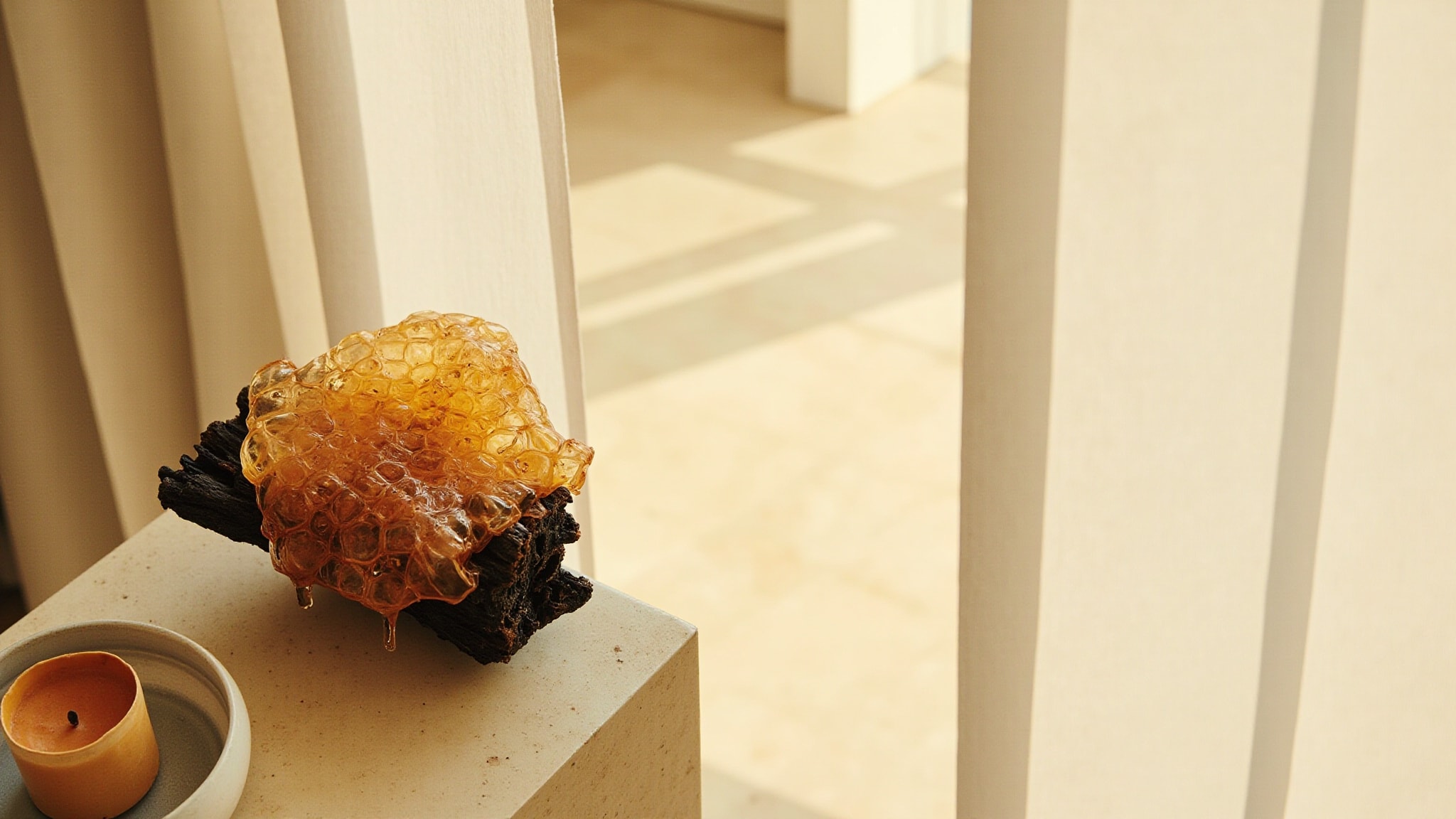
Miel de Bois inverts the expected. Honey fragrances typically offer warmth, comfort, the suggestion of sweetness without its weight. This one refuses. The raw white honey here is dense and almost animalic, beeswax, the dust of a hive, the sweetness preserved at any cost. Against it, dry guaiac and oak wood splinter with a sharp, almost medicinal edge. The tension is the point: sweetness earned from burning. Sheldrake doesn't resolve it into harmony. He lets it sit there, unresolved, which is what makes this feel less like a perfume and more like a sensory memory of heat, smoke, and something sweet surviving afterward.
The evolution
The opening hits sharp and immediate. Dry guaiac and oak crack like kindling, splintering, resinous, with a medicinal bite that announces itself without apology. The honey doesn't wait long to arrive. Once it does, the whole composition shifts. Dense, white, heavy sweetness fills the space the wood left behind, thick and almost syrupy. Three hours in, the honey begins to quiet but doesn't disappear entirely. It settles into beeswax and iris powder, warmer, softer, still unmistakably present. The base introduces musky undertones that can register as sharp on some skin, a chemical twist that polarizes. The drydown reads different depending on the wearer: warm and animalic, or papery and austere. Either way, it lingers close, intimate sillage that stays near the skin long after application, detectable the next morning as a faint trace.
Cultural impact
Miel de Bois has outlasted its 2005 release. Discontinued but sought after, it occupies a specific corner of the Serge Lutens catalogue: for those who want honey that refuses to be polite. The fragrance's polarizing reception is inseparable from its identity, the same qualities that make it divisive are what make it memorable. In a landscape of safe, gourmand sweetness, this one leans confrontational. That's Lutens' gift: finding beauty in the uncomfortable.