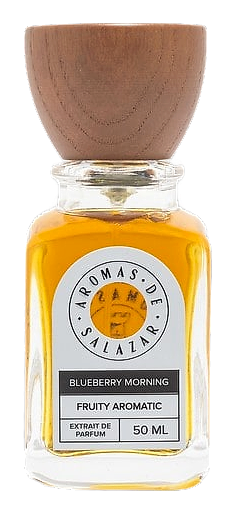
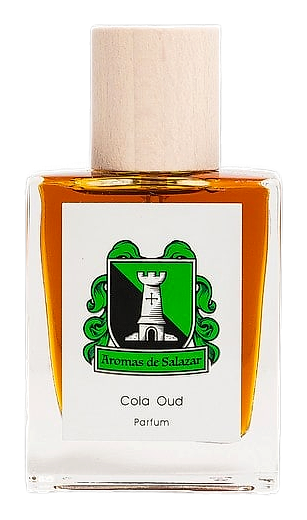
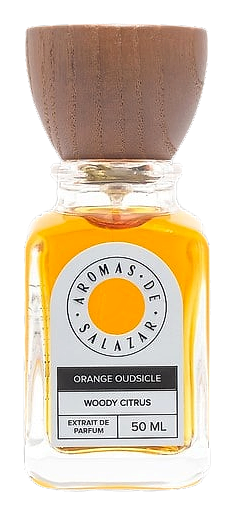
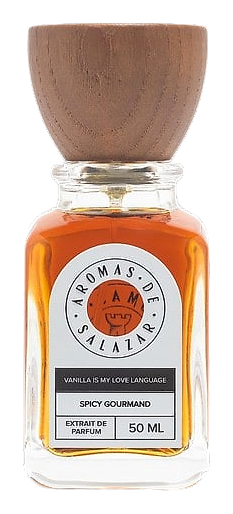
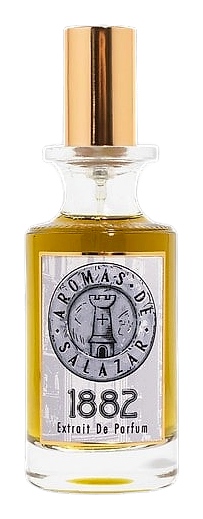
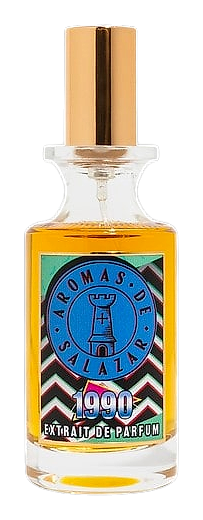
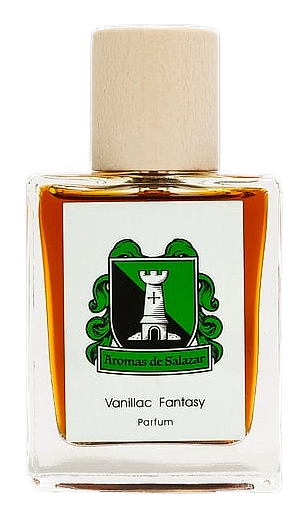
The Heritage
The Story of Aromas de Salazar
Aromas de Salazar is an independent fragrance house founded by self‑taught perfumer Michael Salazar in San Diego, California. The label positions itself around handcrafted compositions that draw on high‑grade absolutes and rare natural ingredients. Each release is presented as a distinct olfactory story, often anchored by a historic year or a personal sentiment. The brand’s catalogue, which includes scents such as Orange Oudsicle (2022) and Vanilla is My Love Language (2024), reflects a commitment to bold, seductive aromas that stand apart from mainstream offerings.
Heritage
The origins of Aromas de Salazar trace back to a personal obsession with raw materials and artistic freedom. Michael Salazar, who grew up experimenting with essential oils, began sharing his creations online in the mid‑2010s. Five years ago, he formalized the venture as a limited‑run house that would avoid compromise on ingredient quality. Early releases focused on single‑note experiments, but the line quickly expanded to include more complex narratives. In 2022 the brand introduced Orange Oudsicle, a citrus‑spiced oud that garnered attention on niche fragrance forums. The following year saw the launch of Cafe Oud and Champa Attar, both praised for their balance of gourmand and resinous facets. 2024 marked a thematic shift with the Love Language series, pairing vanilla and rose with intimate storytelling. By 2025 the house released a series of year‑named scents—1882, 1912, 1917, 1921, 1872—each designed to evoke the spirit of a particular era through modern composition. Throughout its growth, Aromas de Salazar has remained a solo operation, with Salazar handling formulation, sourcing, and limited‑batch production from his San Diego studio. The brand’s evolution illustrates how a single creative vision can sustain a niche portfolio without external investment, relying instead on community feedback and meticulous craftsmanship.
Craftsmanship
Every Aromas de Salazar fragrance is assembled by hand in a small studio space. The process begins with a selection of high‑grade absolutes, many of which are sourced from regions such as Grasse, Madagascar, and the Middle East. Salazar works directly with small‑scale farmers to obtain raw materials that meet his purity standards, often requiring multiple shipments to achieve the desired batch size. Once the ingredients arrive, they are weighed on analytical scales and blended in glass vessels, allowing the perfumer to monitor the evolution of the scent over time. The house favors natural extraction techniques, including steam distillation and solvent‑free enfleurage, to preserve the original character of the botanicals. After the initial blend, the mixture rests for several weeks in a temperature‑controlled environment, during which the notes integrate and settle. Quality control involves blind testing against reference samples, ensuring consistency across limited runs. Bottling is performed manually; each bottle is inspected for clarity, sealed with a simple cap, and labeled with understated typography. The entire workflow reflects a commitment to transparency, from ingredient origin to final presentation, and underscores the brand’s belief that craftsmanship is as much about patience as it is about skill.
Design Language
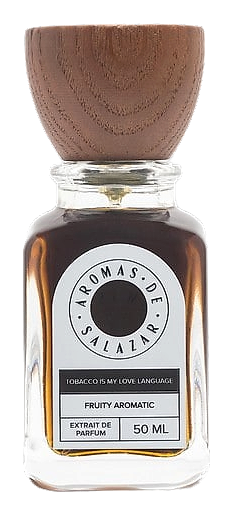
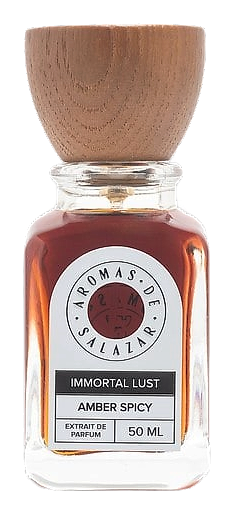
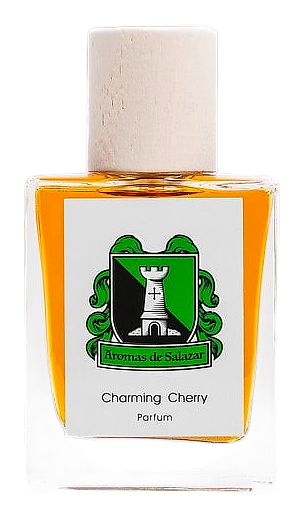
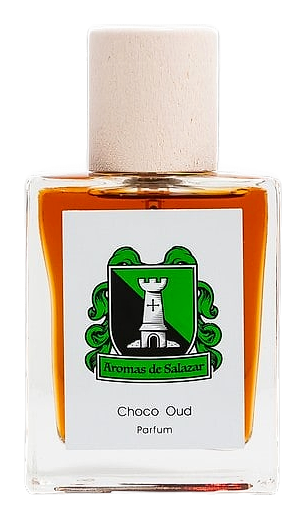
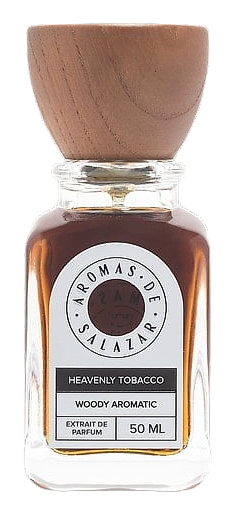
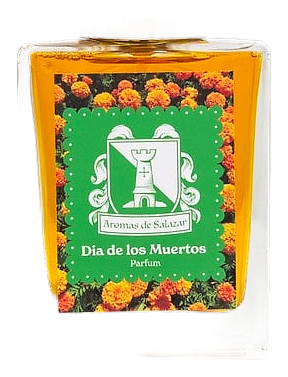
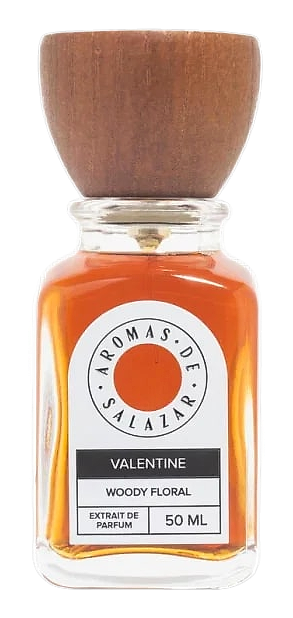
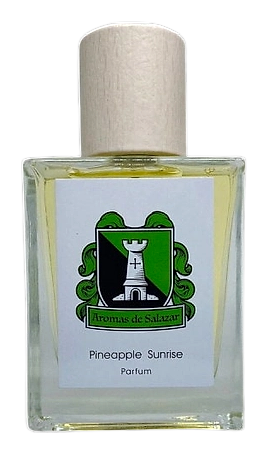
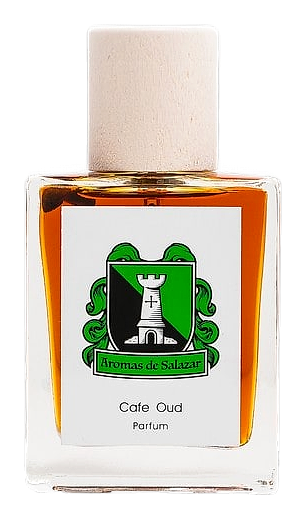
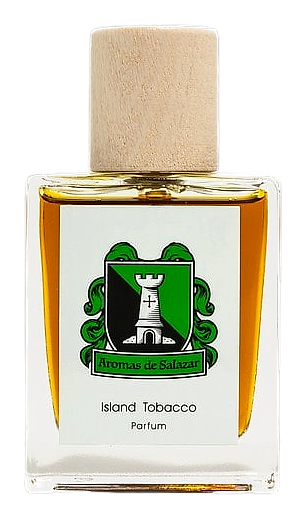
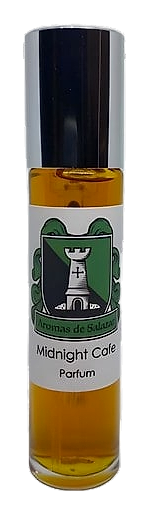
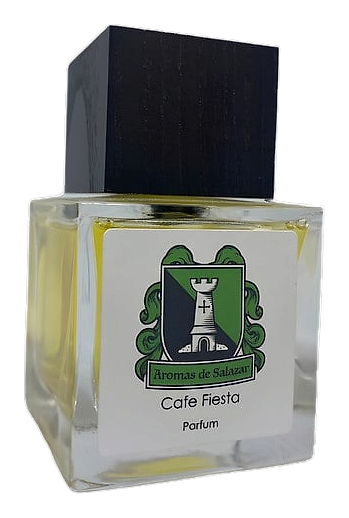
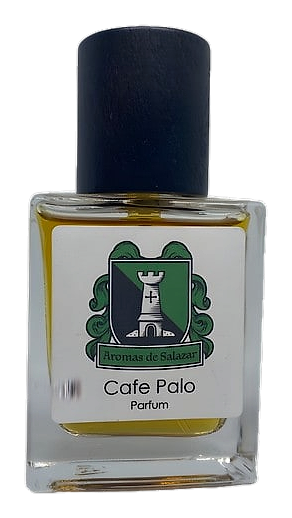
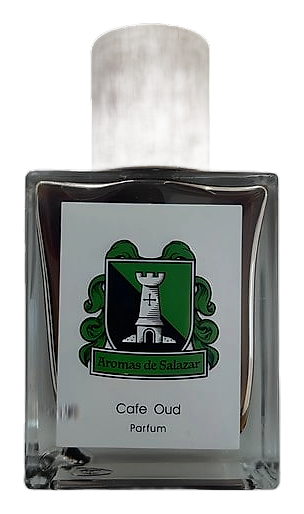
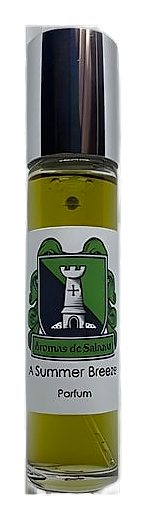
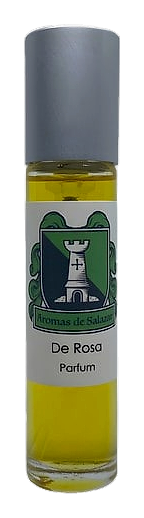
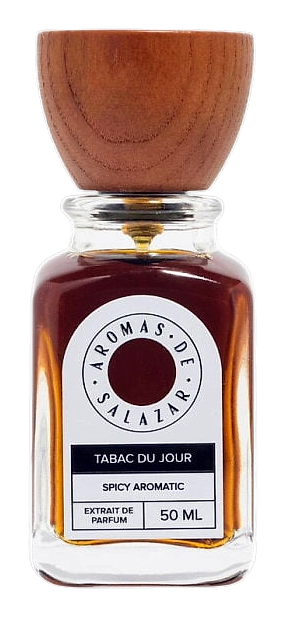
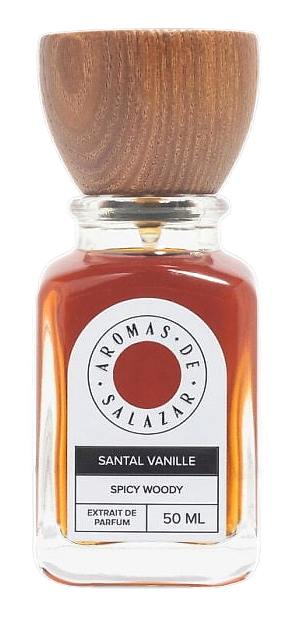
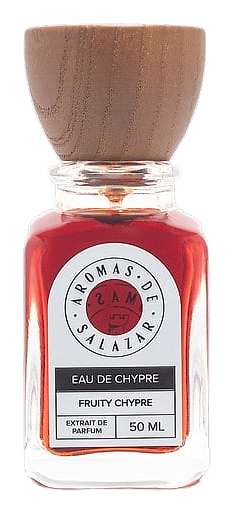
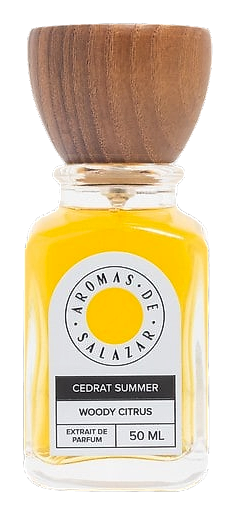
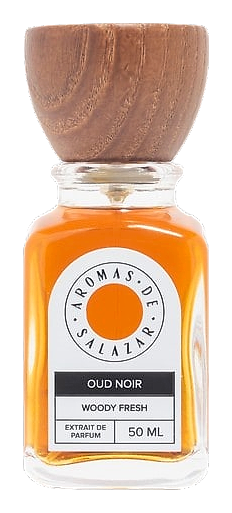
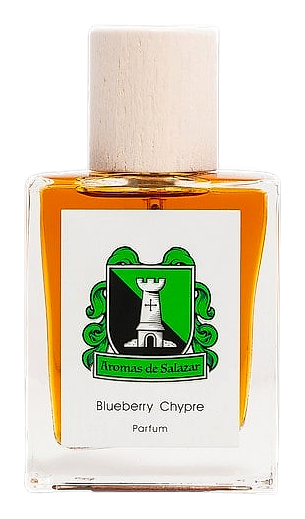
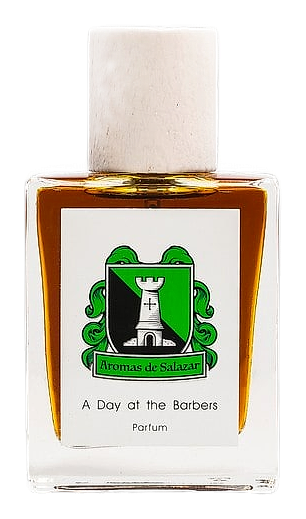
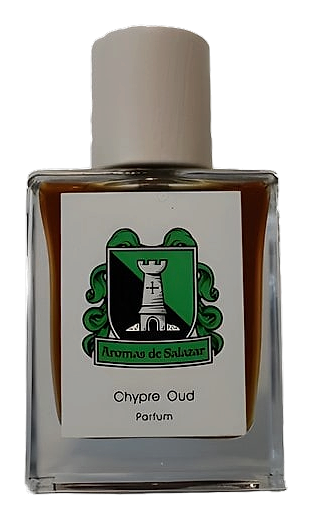
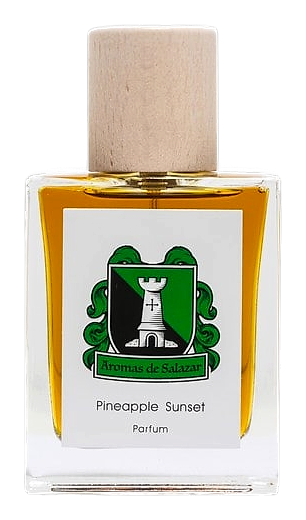
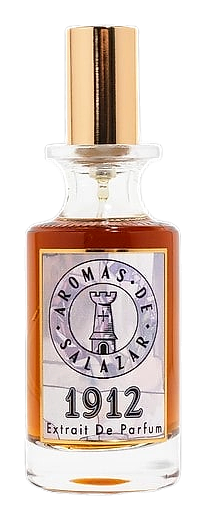
The visual language of Aromas de Salazar mirrors its olfactory restraint. Bottles are typically clear glass, allowing the natural hue of the perfume to become the focal point. Labels feature a muted serif typeface set against a plain background, often limited to the brand name, fragrance title, and year of release. This minimal approach reinforces the idea that the scent itself is the primary artwork. On social media, the brand shares close‑up photographs of raw ingredients—spices, petals, resins—paired with the finished bottle, creating a narrative that links source to scent. The color palette leans toward earth tones and soft neutrals, echoing the natural origins of the materials. Packaging boxes are unadorned, using recycled cardboard with a single printed line of text, which aligns with the house’s sustainability goals. Overall, the aesthetic conveys quiet confidence, inviting the consumer to focus on the tactile experience rather than flashy branding.
Philosophy
Aromas de Salazar frames its creative vision around the idea of uncompromised artistry. The founder repeatedly emphasizes the importance of raw material integrity, stating that each fragrance should arise from the purest absolutes available. This philosophy translates into a practice of sourcing ingredients from remote growers who practice traditional extraction methods. The house rejects mass‑market trends, opting instead to explore unconventional pairings that challenge the nose. Salazar describes his work as an invitation to experience scent as a personal narrative rather than a commercial product. Sustainability also informs the brand’s decisions; natural extracts are chosen for their ecological footprint, and packaging is kept minimal to reduce waste. The overall ethos can be summed up as a pursuit of honest, tactile perfume that respects both the ingredient and the wearer.
Key Milestones
2018
Michael Salazar formalizes Aromas de Salazar as an independent fragrance house in San Diego
2022
Release of Orange Oudsicle, the brand's first widely discussed oud offering
2023
Launch of Cafe Oud and Champa Attar, expanding the line into gourmand‑resin blends
2024
Introduction of the Love Language series with Vanilla is My Love Language and Rose is My Love Language
2025
Series of year‑named fragrances (1882, 1912, 1917, 1921, 1872) released, each referencing a historic moment through scent
At a Glance
Brand profile snapshot
Origin
United States
Collection
2
Fragrances released
Avg Rating
3.7
Community sentiment
Release Rhythm


