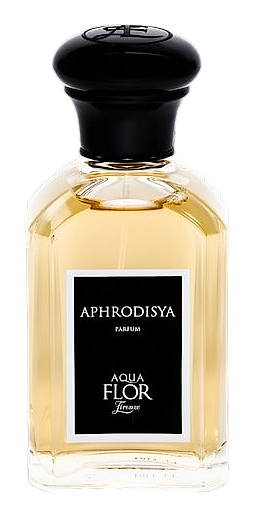
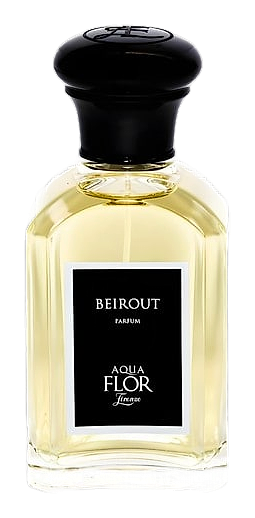
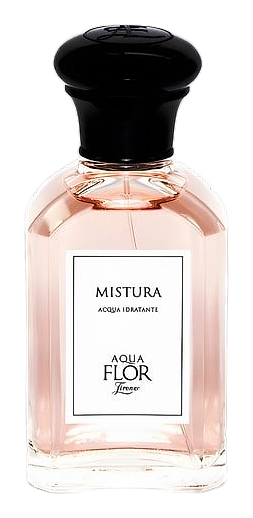
    Brand Profile

    Aquaflor Firenze is a niche perfume house rooted in the heart of Florence, Italy. The brand creates both personal fragrances and scented hom…More

    Italy·Est. 2009·Site

    2

    Fragrances

    4.7

    Rating

    Just Landed

    New Arrivals

    The latest additions to the Aquaflor Firenze collection.

    50
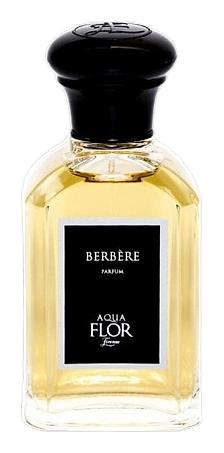
    Berbere by Aquaflor Firenze
    Best Seller
    4.7

    Berbere

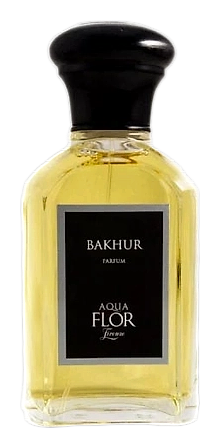
    Bakhur by Aquaflor Firenze – Eau de Parfum
    Best Seller
    4.7

    Bakhur

    Eau de Parfum

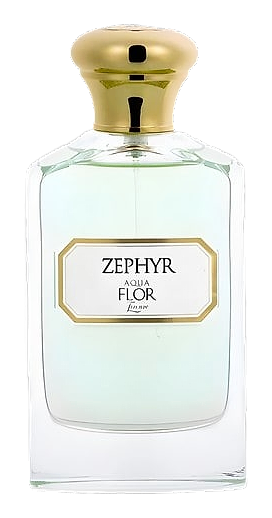
    Zephyr by Aquaflor Firenze
    Best Seller
    4.9

    Zephyr

    CD by Aquaflor Firenze
    4.6

    CD

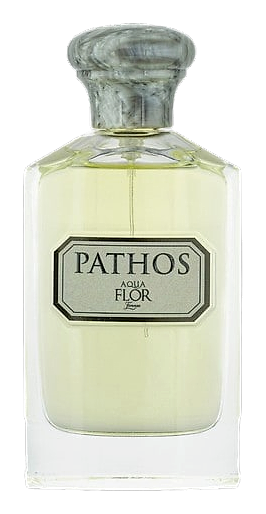
    Pathos by Aquaflor Firenze
    4.6

    Pathos

    Aenigma by Aquaflor Firenze
    4.6

    Aenigma

    Ambra by Aquaflor Firenze
    4.6

    Ambra

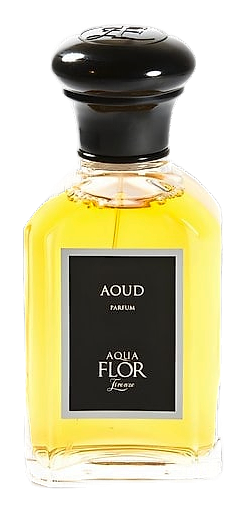
    Aoud by Aquaflor Firenze
    4.5

    Aoud

    Mediterranea by Aquaflor Firenze
    4.5

    Mediterranea

    Higos by Aquaflor Firenze
    4.5

    Higos

    Vertiver by Aquaflor Firenze
    4.5

    Vertiver

    Kale by Aquaflor Firenze
    4.5

    Kale

    1 of 5

    The Heritage

    The Story of Aquaflor Firenze

    Aquaflor Firenze is a niche perfume house rooted in the heart of Florence, Italy. The brand creates both personal fragrances and scented home collections from a laboratory housed in the historic Palazzo Corsini Antinori Serristori. Its line includes the 2024 release Zephyr and a range of olfactory portraits such as Berbere, Aenigma and Mediterranea. Aquaflor draws on the city’s centuries‑old perfume tradition while offering contemporary compositions that echo the Tuscan landscape and its iconic iris and rose blossoms.

    Heritage

    Aquaflor Firenze opened its doors in 2009, reportedly founded by maitre perfumer Sileno Cheloni, who sought to revive Florence’s historic role as a centre of scent craftsmanship. The brand chose the Palazzo Corsini Antinori Serristori – a Renaissance palace that once hosted Medici gatherings – as the site for its laboratory, storage rooms and creative studio. This setting links the house to the ancient Florentine perfume tradition highlighted in scholarly accounts of Catherine de' Medici’s patronage of scent in the 16th century. Early years focused on recreating classic Tuscan accords, and by 2012 Aquaflor launched its first boutique fragrance, a tribute to the city’s iris fields. The 2015 collection introduced exotic notes such as Aoud and Myrrah, reflecting a growing interest in global ingredients while maintaining a local sensibility. In 2020 Aquaflor expanded into home fragrance, unveiling a signature blend built around iris and rose, the official flower of Florence and a motif seen throughout the city’s architecture. The 2024 launch of Zephyr marked the brand’s most recent milestone, offering a breezy Mediterranean composition that references the wind that sweeps over the Arno River. Throughout its evolution, Aquaflor has maintained a small‑batch production model, emphasizing hand‑blending and a close relationship between the perfumer’s studio and the historic palace walls. The house’s trajectory illustrates a continuous dialogue between Florence’s perfume heritage and contemporary olfactory storytelling.

    Craftsmanship

    All Aquaflor creations originate in the laboratory that occupies a wing of Palazzo Corsini Antinori Serristori. The space retains original frescoed walls and marble work, providing a tactile link to the Renaissance artisans who once laboured there. Ingredients arrive after rigorous vetting: Italian iris roots are cultivated in the Tuscan hills under controlled conditions, while rose petals are sourced from nearby Val d'Orcia farms that practice organic farming. Exotic components such as Aoud are imported from Southeast Asia with full traceability certificates, and natural amber is obtained from Baltic deposits following sustainable extraction guidelines. Once received, raw materials undergo a cold‑press or steam‑distillation process that preserves volatile aromatics. The perfumer then hand‑blends the extracts in small glass vessels, adjusting ratios by eye and nose rather than relying on automated dosing. Each batch is aged in temperature‑controlled chambers that mimic the palace’s historic cellar climate, allowing the fragrance to mature naturally. Quality control includes organoleptic testing by a panel of senior noses, who verify consistency with the original formula. Finished perfumes are decanted into hand‑finished glass bottles, sealed with cork or metal caps that are hand‑polished. The entire workflow, from ingredient selection to final packaging, reflects a dedication to artisanal precision and a reverence for the historic environment that houses the process.

    Design Language

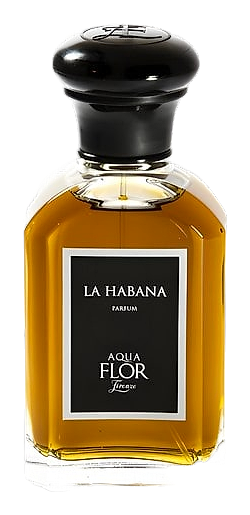
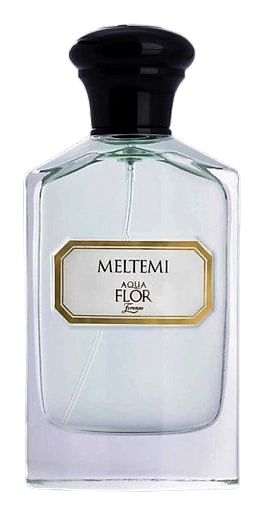
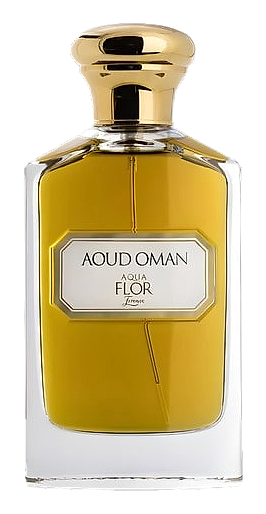
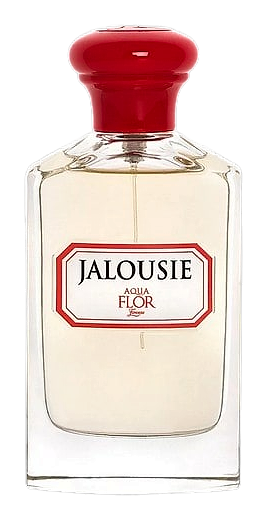
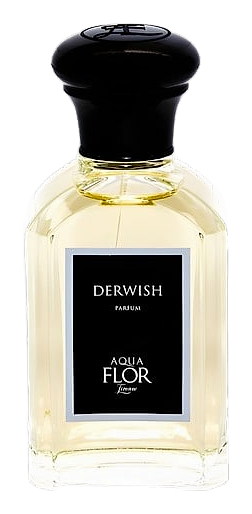
    Aquaflor’s visual identity mirrors the elegance of its Florentine setting. Bottles are crafted from clear crystal glass, their silhouettes echoing the slender columns of the Palazzo’s façade. Each vessel bears a subtle gold filigree that traces the fleur‑de‑lys, a symbol that appears throughout Florence’s civic architecture. Caps are either brushed brass or natural cork, chosen to complement the scent’s character – brass for vibrant, citrus‑forward compositions and cork for warm, resinous notes. The outer packaging consists of hand‑stitched linen boxes lined with parchment that features a monochrome sketch of the palace’s courtyard. Typography on the label uses a classic serif typeface reminiscent of Renaissance manuscripts, while the brand name is embossed in raised gold foil. Seasonal limited editions often incorporate artwork from local women painters, aligning the scent with a visual narrative. This cohesive aesthetic reinforces Aquaflor’s positioning as a bridge between historic craftsmanship and contemporary design, inviting collectors to experience both the fragrance and the story it tells.

    Philosophy

    Aquaflor’s creative vision rests on three pillars: respect for Florentine heritage, a commitment to material integrity, and narrative depth. The house treats each fragrance as a chapter in the city’s story, using local flora such as iris and rose to anchor its scent language. It values transparency in ingredient sourcing, favouring sustainably harvested botanicals and ethically obtained amber and oud. The brand’s approach to perfumery favours small‑batch hand‑blending, allowing the perfumer to adjust each accord in response to the unique character of the raw materials. Aquaflor also embraces collaboration with visual artists, a practice noted in its partnership with women artists to create limited‑edition packaging. This philosophy translates into a measured pace of releases, each designed to offer a distinct sensory experience rather than chase market trends. By grounding its work in the historic context of Florence while remaining open to contemporary influences, Aquaflor seeks to craft scents that feel both timeless and immediate.

    Key Milestones

    2009

    Aquaflor Firenze founded by maitre perfumer Sileno Cheloni in the Palazzo Corsini Antinori Serristori.

    2012

    First boutique fragrance released, celebrating Florence’s iris fields.

    2015

    Introduction of exotic notes such as Aoud and Myrrah, expanding the house’s scent palette.

    2020

    Launch of the signature home fragrance built around iris and rose, reflecting the city’s floral heritage.

    2024

    Release of Zephyr, a limited‑edition scent inspired by the breezes over the Arno River.

    At a Glance

    Brand profile snapshot

    Origin

    Italy

    Founded

    2009

    Heritage

    17

    Years active

    Collection

    2

    Fragrances released

    Avg Rating

    4.7

    Community sentiment

    Release Rhythm

    2025
    1
    2024
    1
    2023
    4
    2022
    3
    2020
    3
    2019
    1
    2018
    1
    2017
    1
    aquaflor.com

    Did You Know?

    Interesting Facts

    Distinctive details and defining moments that shape the house personality.

    01

    The laboratory occupies a wing of a Renaissance palace that once housed Medici archives, linking the scent creation process to centuries of Florentine art and culture.

    02

    Aquaflor uses water drawn from the Arno River in the dilution stage of its perfumes, a practice that ties the final product to the city’s most famous waterway.

    03

    The brand’s home fragrance line sources iris bulbs grown in a Tuscan farm that follows biodynamic agriculture, ensuring a high level of botanical purity.

    04

    Aquaflor partners with women artists to design limited‑edition packaging, a collaboration highlighted in a 2021 exhibition at the Palazzo’s exhibition hall.

    The Artisans

    The Perfumers