The Story
Why it exists.
The beginning
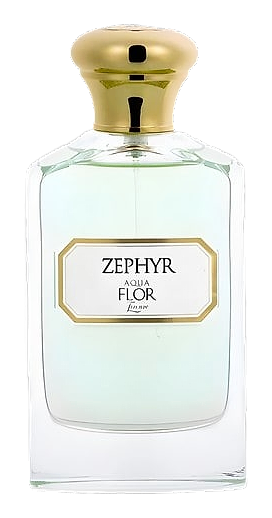
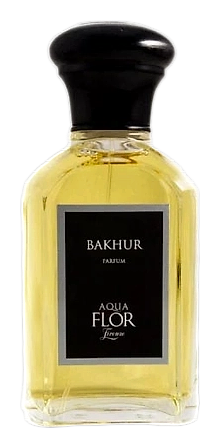
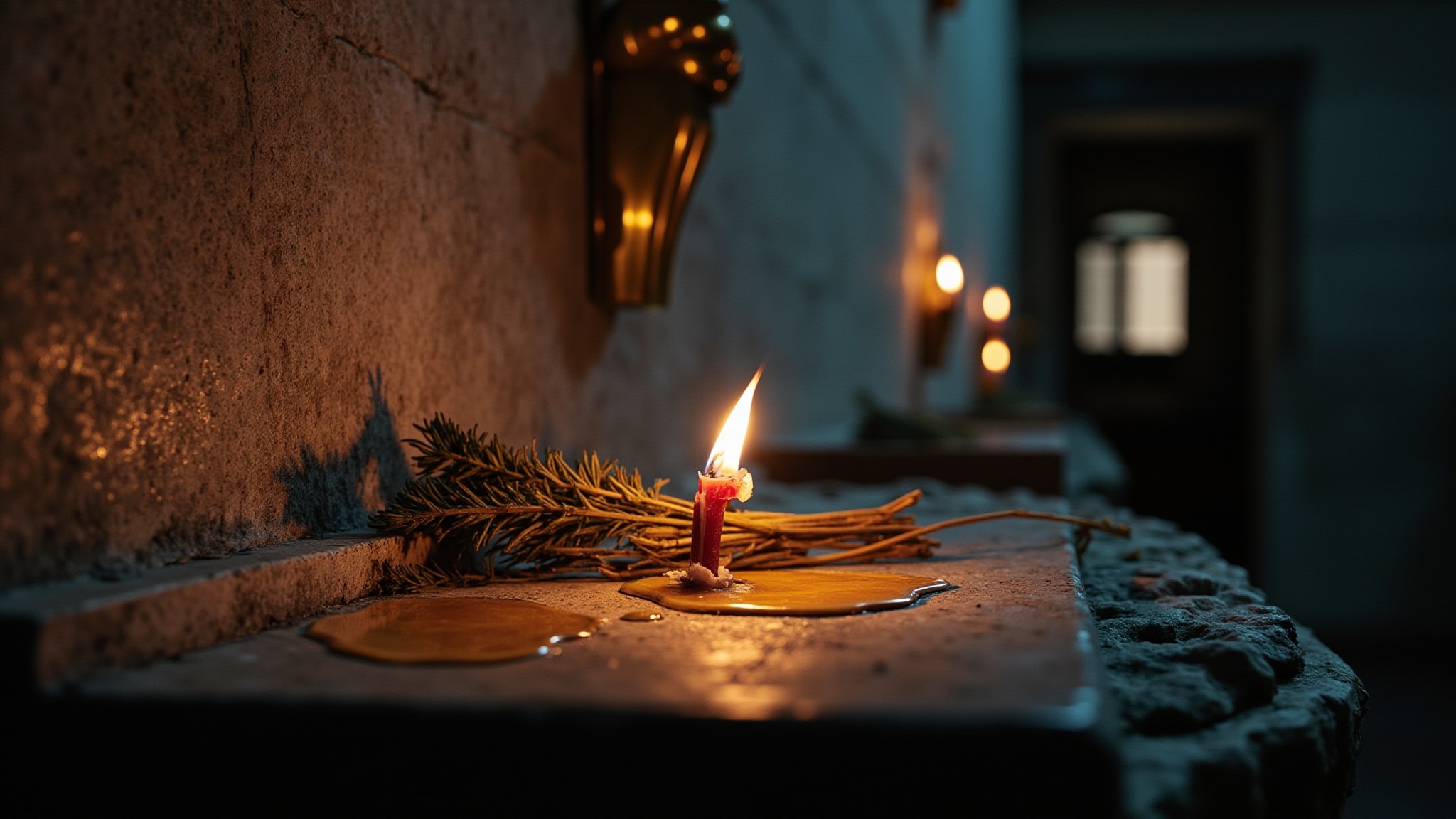
Aquaflor Firenze, established in 2009 within the historic Palazzo Corsini, has consistently drawn from Florence's deep perfume heritage. For Bakhur, Sileno Cheloni looked not to the Renaissance perfumeries but to the city's chapels, where resins have been burned for centuries during liturgical ceremonies. The fragrance name itself, derived from the Arabic word for incense, signals this connection. Cheloni set out to capture something specific: the raw conifer intensity of fir balsam as it might have mingled with sacred frankincense smoke in an old Florentine chapel. Rather than creating a purely devotional scent, he blended these elements with the precision of contemporary niche perfumery, resulting in a fragrance that honors tradition while remaining wearable in modern contexts.
Cheloni's choice of Balsam Fir as an opening note reflects a specific philosophy: the fragrance should begin with the most immediate, almost primal scent of the Tuscan landscape, evergreen forests that have existed for centuries. Frankincense was chosen not for its association with any particular tradition but for its ability to add depth and sacred resonance. Tonka Bean, perhaps unexpectedly, serves to ground the composition, preventing the incense from becoming too austere. Cedarwood and Musk complete the picture by anchoring everything in warmth and longevity.
The evolution
The opening act of Bakhur belongs entirely to Balsam Fir, a material that delivers the sharp, almost aggressive intensity of evergreen sap. This is not the pleasant pine of mainstream fragrances but something rawer, more immediate, lasting approximately fifteen to thirty minutes before softening. The transition to the heart introduces Frankincense with its characteristic dry smoke, followed closely by Tonka Bean's warm, vanillic sweetness. This is the fragrance's most complex phase, where sacred and sweet exist in tension. The drydown marks a clear shift in character as Cedarwood emerges, its dry, pencil-shaving warmth replacing the initial sharpness. Musk extends this final phase, ensuring the fragrance remains close to the skin for hours, intimate rather than room-filling. This arc from conifer intensity through incense warmth to woody comfort represents a complete sensory narrative.
Cultural impact
Bakhur has become a quiet favorite among incense enthusiasts who appreciate its linear, resin‑rich profile. Wearers often note its ability to evoke the solemn atmosphere of a Tuscan chapel, making it a go‑to for evening events and artistic gatherings. Its distinctive pine‑incense character sets it apart from sweeter niche offerings, earning it a niche following that values authenticity over trend‑driven sweetness.