The Story
Why it exists.
The beginning
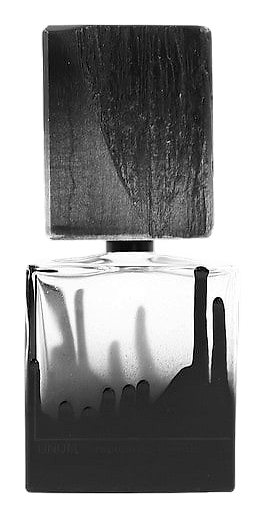
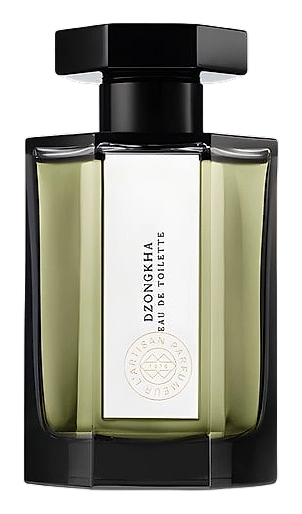
In 2006, Bertrand Duchaufour traveled to Bhutan, the tiny Himalayan kingdom where mountains reach toward heaven and monasteries perch on cliff faces. The country has only one official language, also called Dzongkha, and Duchaufour brought back more than photographs. He brought a smell. Dzongkha, the fragrance, translates that landscape: the sharp cold of altitude, the smoke from butter lamps burning in enclosed spaces, the paper made from local plants, the leather and spice of daily life. It's not a tourist's Bhutan. It's a perfumer's Bhutan, filtered through his nose, reconstructed in Paris, built to last.
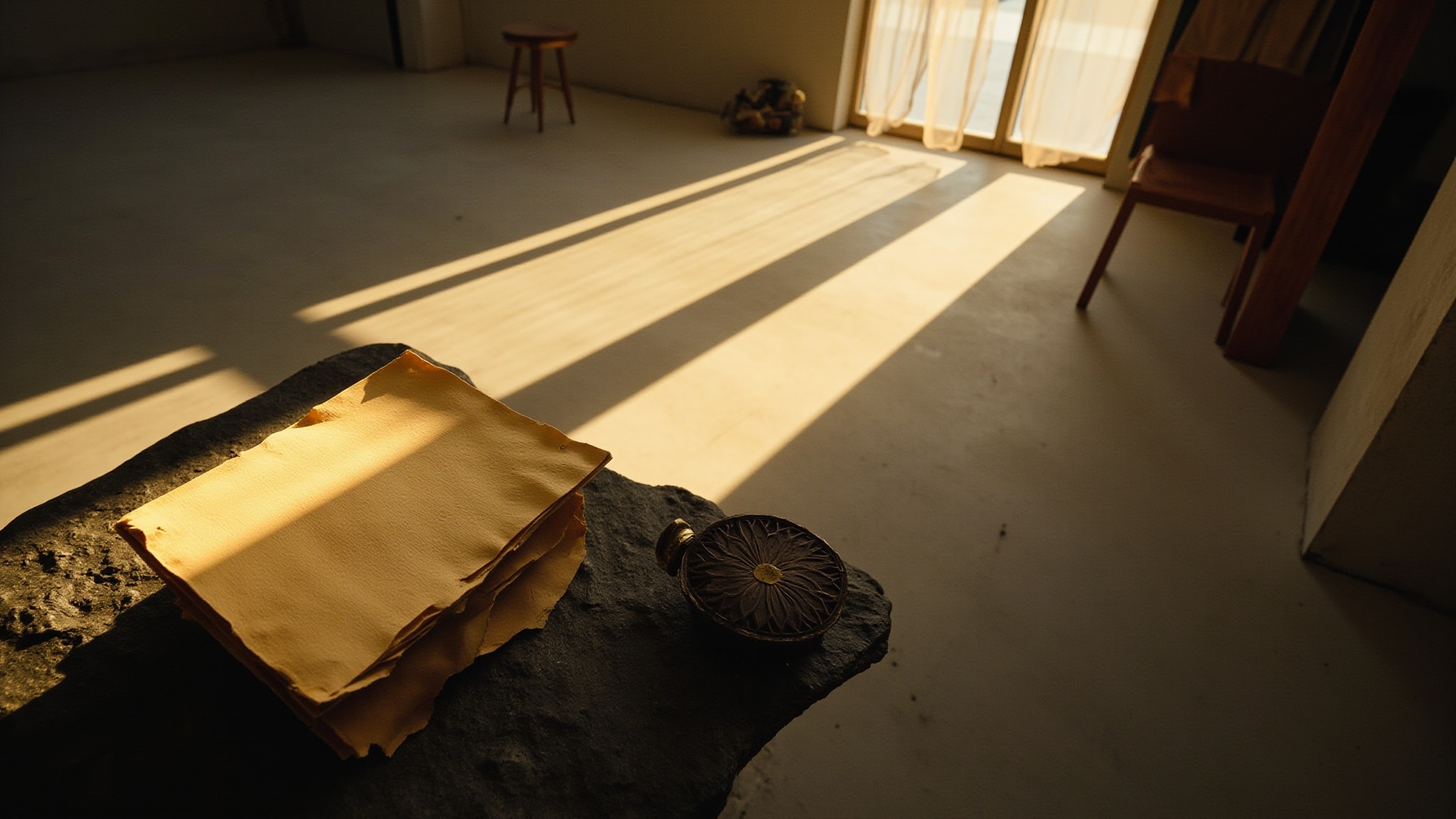
The pyramid starts with cardamom, green, almost biting, then lychee blossom adds a fleeting sweetness that doesn't prepare you for what comes next. Peony sits quietly beneath, more texture than statement. At the heart, Somalian frankincense takes over: dry, resinous, the smoke of something ancient. Vetiver adds an earthy undertone, while masala chai brings warmth without softness. The base is where this fragrance earns its name, leather and papyrus, the smell of old paper and treated hide, with iris pallida providing just enough powder to keep the whole thing from feeling like a shrine fire. The structure is unusual: no traditional sweetness anywhere. Every note leans dry, even the florals. That's the point.
The evolution
The opening announces cardamom sharply, green, almost medicinal in its intensity. Peony arrives quickly but stays muted, more suggestion than statement. Then the Somalian frankincense takes over, and for the next two to three hours, you're in a different space entirely. It's not sweet incense. It's the smell of a room that's been burning things for centuries, slightly charred, deeply resinous. Vetiver roots it. Masala chai adds warmth but never softness. The drydown is where the leather announces itself, not polished leather, but old leather, mixed with papyrus and the dusty iris that develops over time. For the next three to four hours, this becomes something that sits close to the skin but refuses to disappear, like the smell of a room you've visited before and can't quite place. On clothes the next day, there's still something there, papyrus, a hint of incense, the memory of spice. Dzongkha doesn't fade. It settles.
Cultural impact
Dzongkha sits in an unusual position: it references a specific place, Bhutan, the isolated Himalayan kingdom, in a way that few Western fragrances attempt. It's not generic 'mountain' or 'spiritual' territory. Dzongkha, the language, is spoken by fewer than a million people. The fragrance carries that specificity. Wearers describe it as the scent of someone who walks into a room and doesn't need to announce themselves. It attracts people who've been to Bhutan and want to carry it with them. It attracts people who want something genuinely uncommon. It attracts people who've exhausted the obvious choices and are looking for something that rewards patience.