
The Story
Why it exists.
The beginning
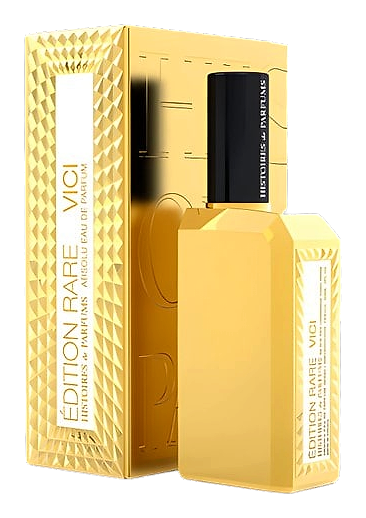
Vici is the third chapter in a trilogy. Veni, Vidi, Vici. Julius Caesar's famous declaration of conquest becomes a framework for three fragrances, each a different ending to the same story. Where Veni opens and Vidi sees, Vici conquers. Gérald Ghislain built this final volume around an aldehydic structure that feels at once vintage and contemporary, then layered it with notes that don't immediately suggest they belong together. Celery seed and osmanthus. Red berries and incense. The result is a fragrance that earns its triumphant name through sheer audacity of composition.
What makes Vici distinctive is the celery seed and osmanthus pairing. Celery seed brings an herbal, almost vegetable-like quality that reads as savory in the heart of a perfume. Osmanthus absolute offers one of perfumery's most expensive and richly floral notes, with a distinctly apricot-like sweetness. These two shouldn't balance each other. But in Ghislain's hands, they do. The aldehydes amplify rather than soften the red berries, creating an aldehydic-fruity tension that announces itself loudly in the opening. It's that push and pull between assertive sparkle and intimate warmth that makes Vici worth wearing.
The evolution
Aldehydes arrive first. Bright, effervescent, almost aggressive in their champagne-like quality. The angelica and galbanum bring a bitter-green bite, cardamom adds warmth underneath, and the red berries sweeten without softening anything. It's a loud opening. Within minutes, the aldehydes settle. Incense smoke takes over, and the osmanthus begins to bloom. Celery seed lingers underneath, adding an unusual savory depth that shouldn't work but does. Then the iris arrives, powdery and sweet, softening everything. The heart is quieter, more contemplative. The drydown holds close. White musk and cedar form an intimate base, while raspberry and patchouli add warmth and subtle berry sweetness to the finish. Vici stays close to the skin through the end of the day.
Cultural impact
Vici is the third chapter in the Veni-Vidi-Vici trilogy, drawing its name from Caesar's famous declaration of conquest. The house built this final volume around an aldehydic structure and unusual note pairings that feel both vintage and contemporary, positioning it as the triumphant conclusion to a narrative told in three scents.