Masala Chai
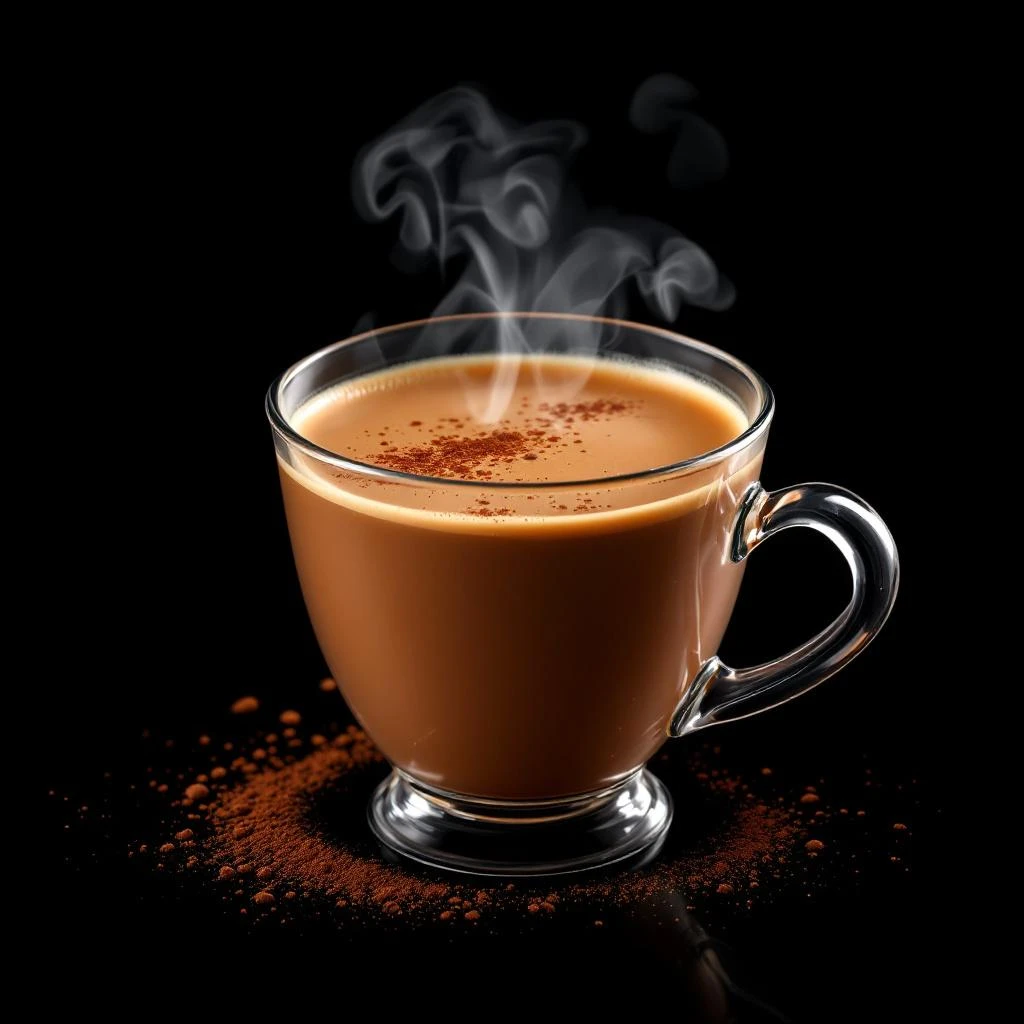
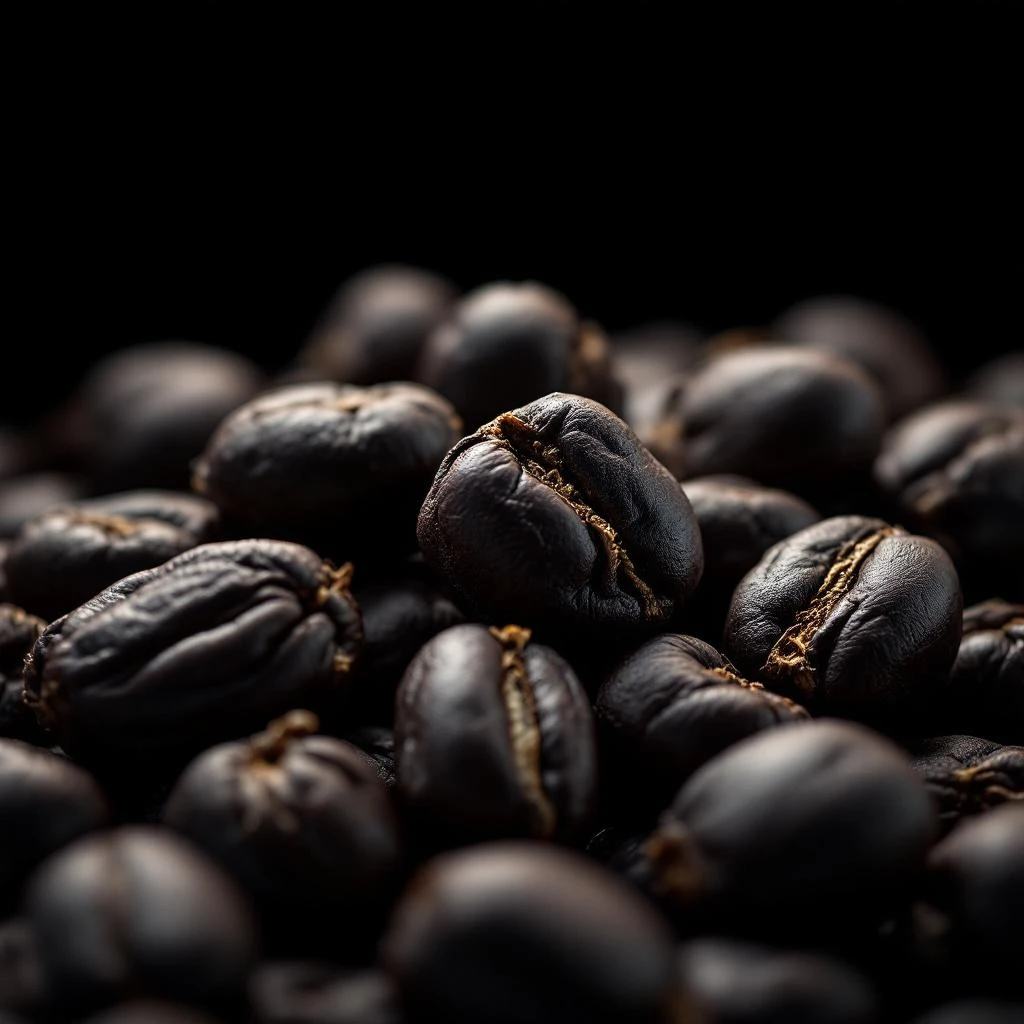
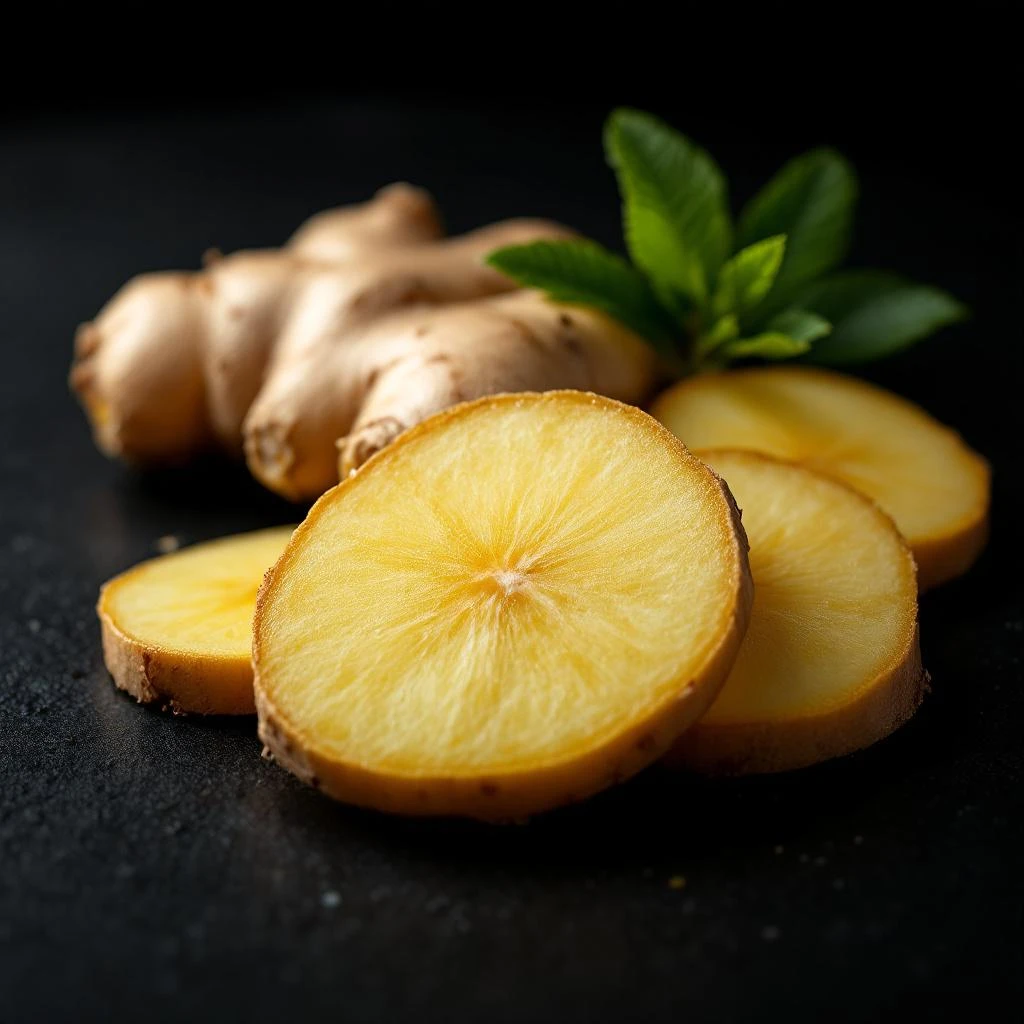
A warm embrace of spiced black tea, cardamom, and ginger. Masala chai captures India's beloved beverage in a fragrance form that feels simultaneously ancient and intimate.
Character
How it smells
Where spice meets comfort
The word chai comes from the Chinese word cha, meaning tea. In India, chai simply means tea.




Origin
India
Masala chai's origins stretch back thousands of years, with legends placing its creation between 5,000 and 9,000 years ago in the Indian subcontinent. Ancient texts describe royalty brewing medicinal beverages from herbs and spices. The term chai itself derives from the Chinese word cha, brought to India along ancient trade routes.
Initially, chai referred simply to tea, and the spiced version we know today emerged as a distinctly Indian preparation. The British East India Company's tea plantations in the 19th century transformed tea from a luxury import into an affordable domestic beverage. Indian vendors began adding spices and milk to make the bitter imported tea palatable, creating the masala chai we recognize today.
By the early to mid-20th century, this spiced tea had become ubiquitous across India and South Asia, with each region developing its own spice ratios and brewing methods. Today, masala chai represents not just a beverage but a cultural touchstone, embodying Indian hospitality and the art of sharing.
Wears it best
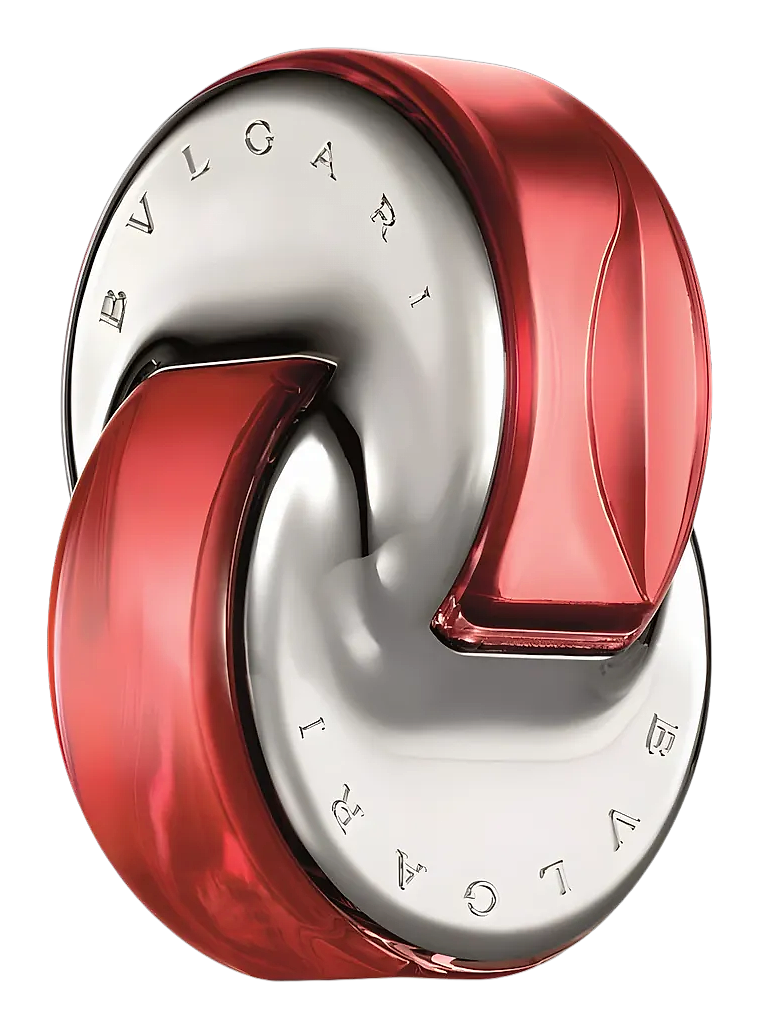
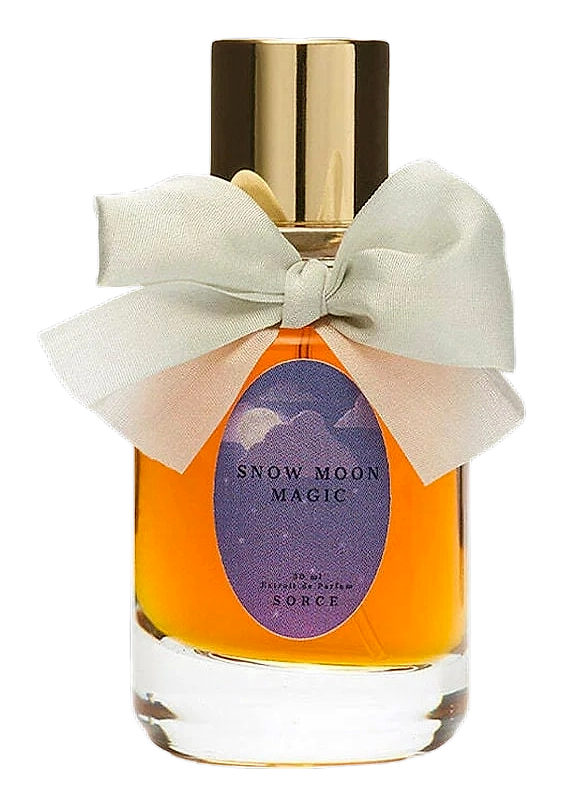
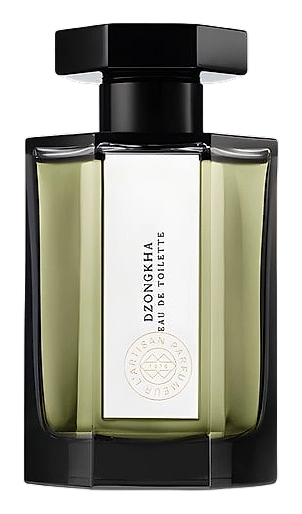
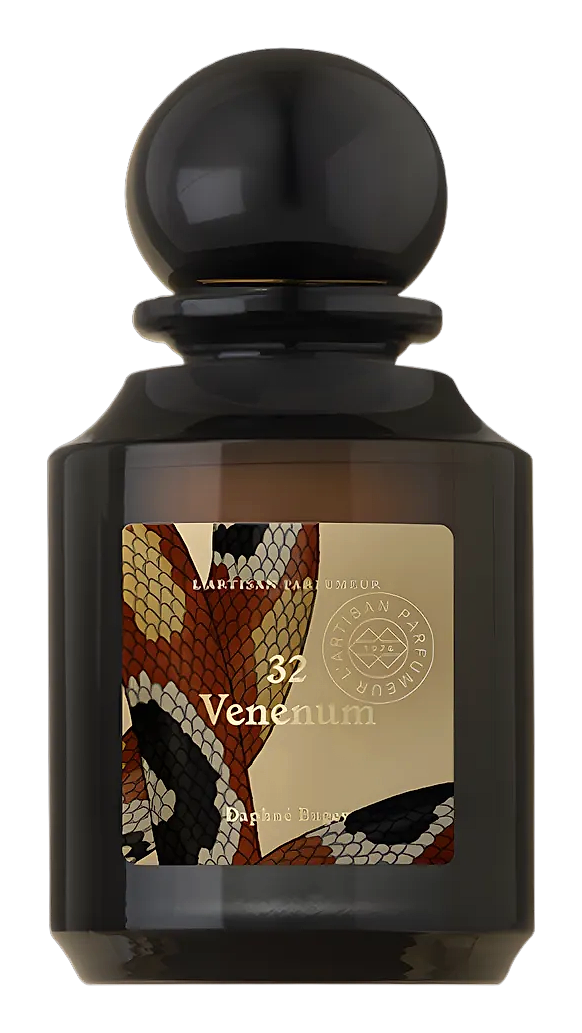
Fragrances featuring Masala Chai
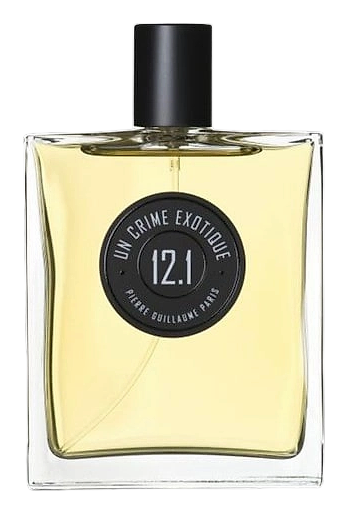
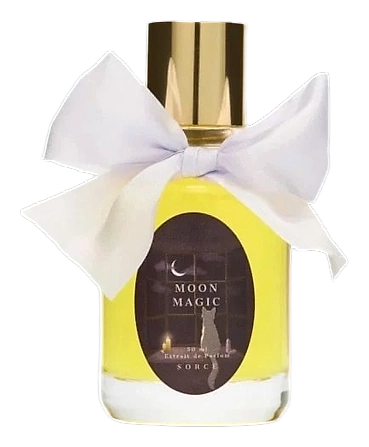

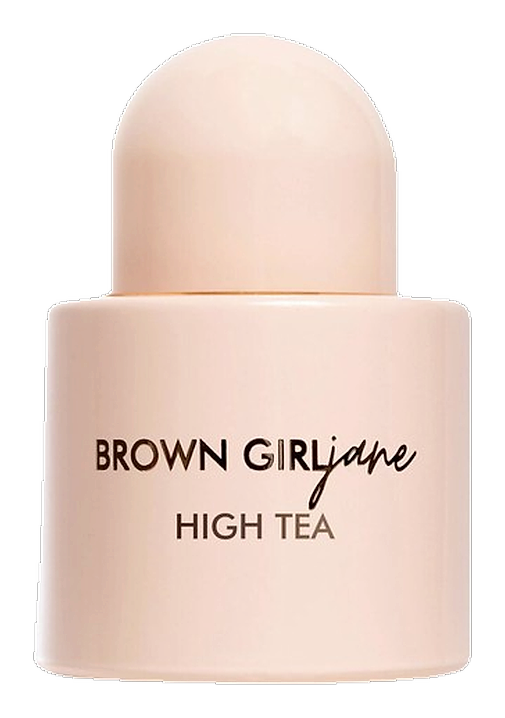
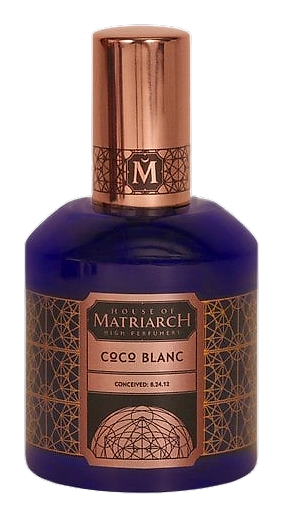
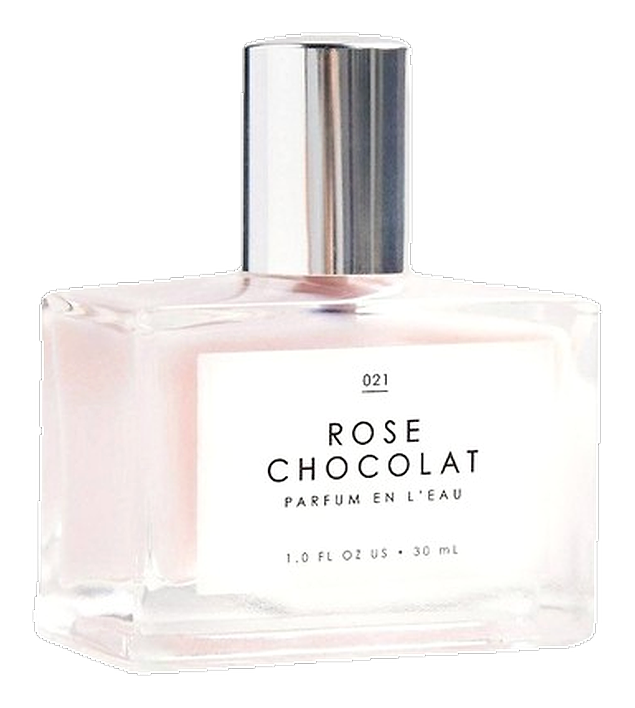
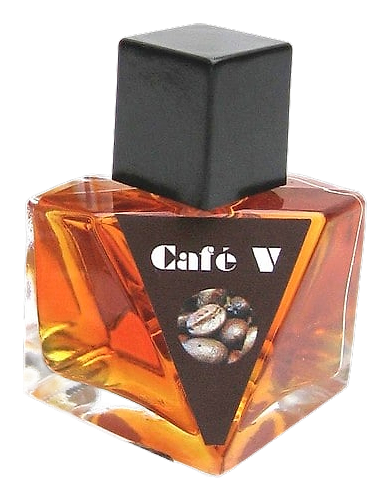
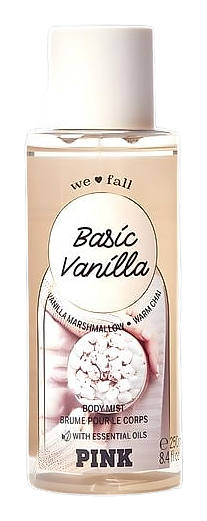
Brands
Brands known for Masala Chai
Good to know
Questions, answered
The essentials on Masala Chai in perfumery: how it smells, where it comes from, and how it behaves on skin.
What gives masala chai its distinctive fragrance?
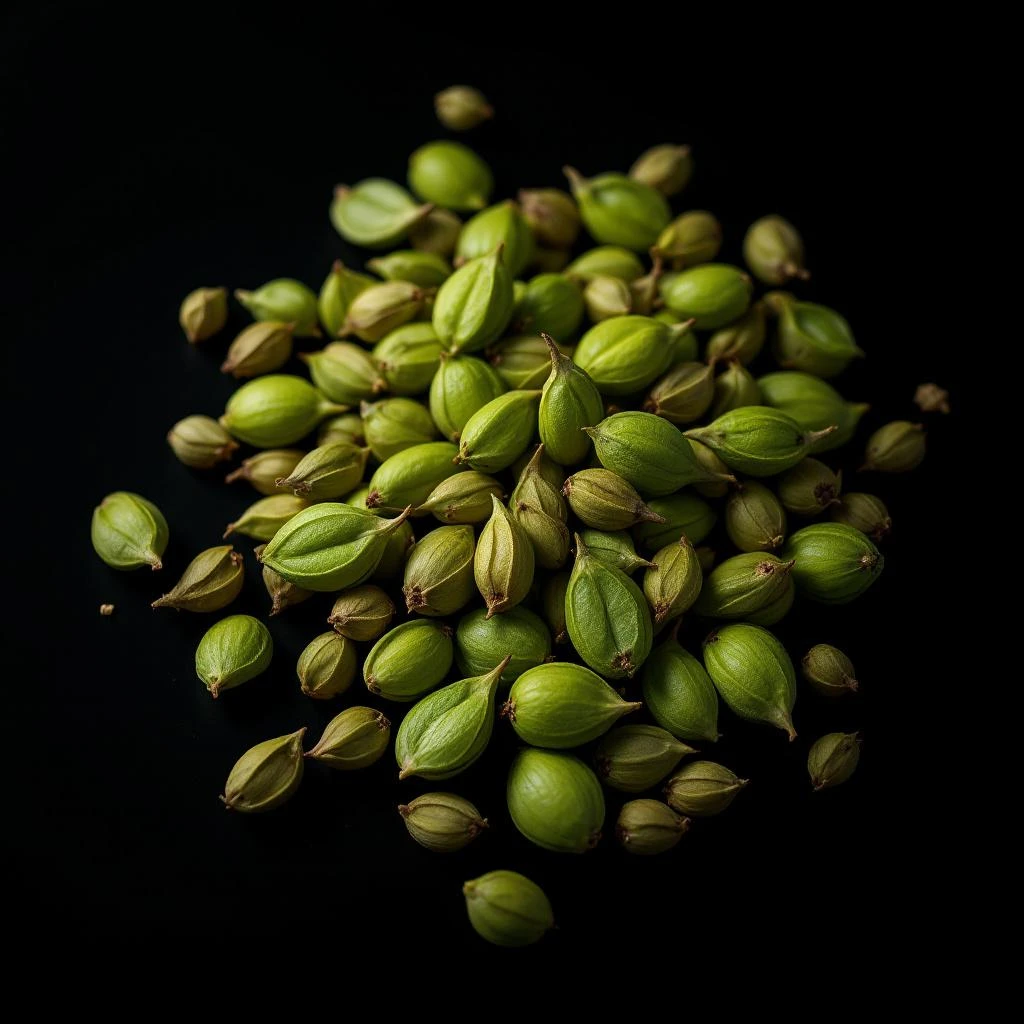
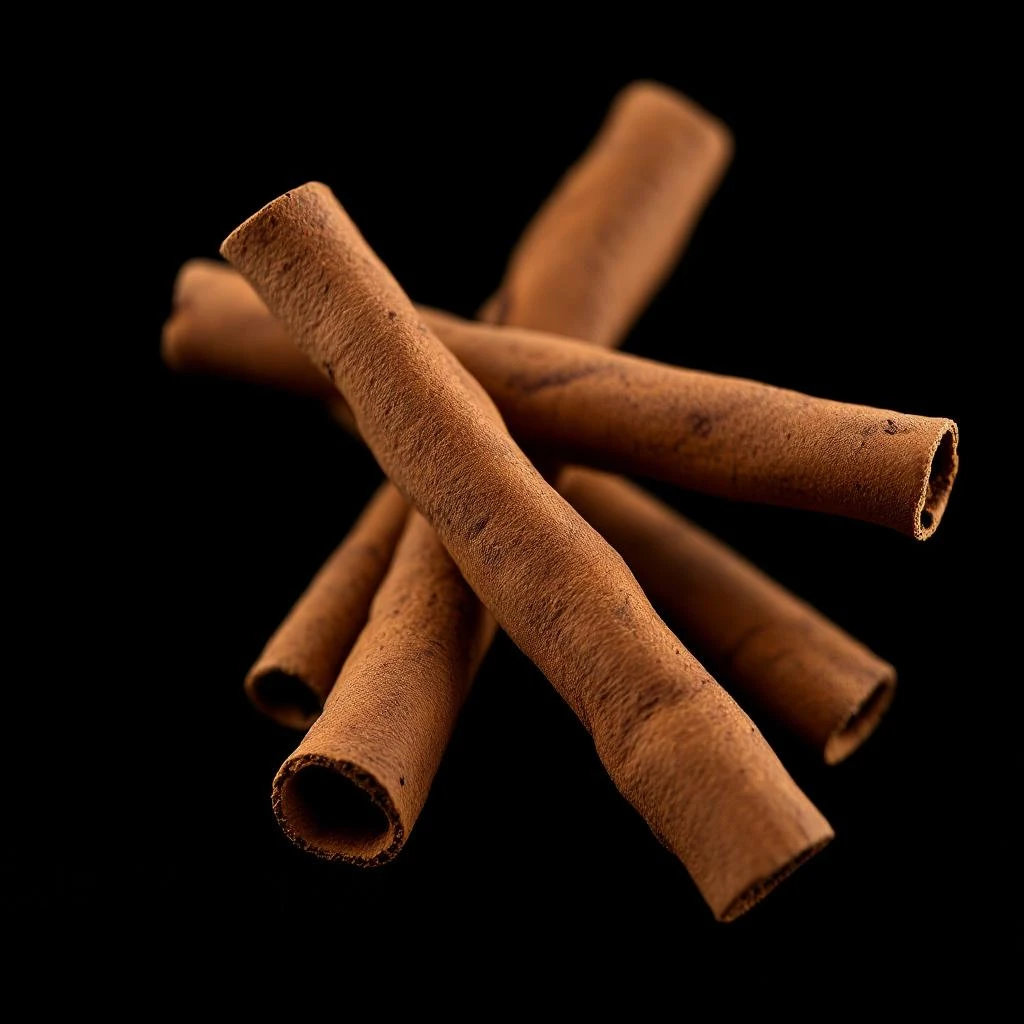
Cardamom forms the aromatic backbone, with ginger and cinnamon providing warmth. Black tea adds an astringent, slightly bitter counterpoint that grounds the blend.
Is masala chai a natural or synthetic fragrance ingredient?
It exists in both forms. Natural versions use CO2 or solvent extraction of spice blends, while most perfumery applications build the note as a synthetic accord using natural isolates.
What does masala chai smell like?
It opens with bright cardamom and warm ginger, settling into a spiced black tea base with subtle cinnamon and clove undertones. The overall impression is warm, creamy, and aromatic.
Which spices make up traditional masala chai?
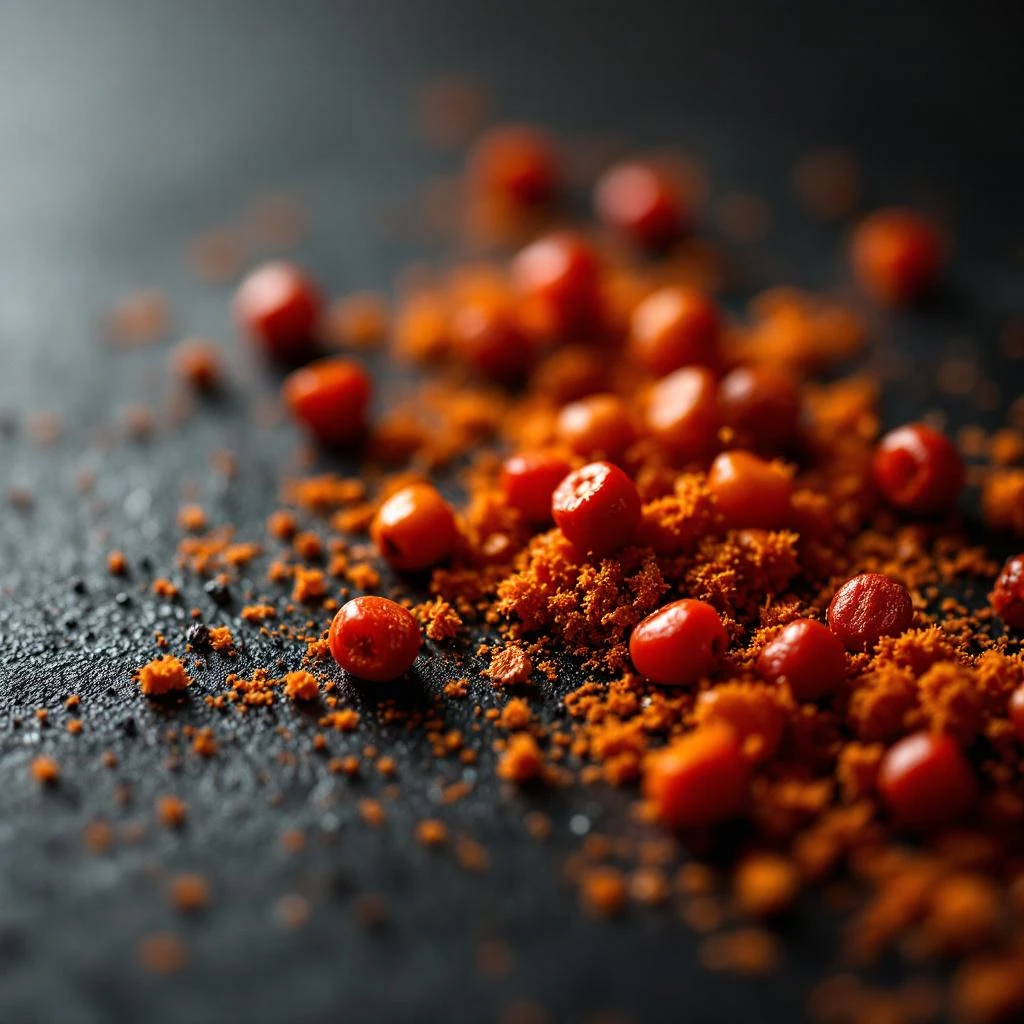
Cardamom, ginger, cinnamon, cloves, and black pepper form the core. Regional variations add fennel, star anise, or nutmeg. Each spice contributes distinct aromatic qualities to the blend.
Why does masala chai appear in fragrance compositions?
It provides warmth, complexity, and an immediately recognizable comfort note. The spice-and-tea combination bridges oriental and fresh fragrance families effectively.
How long has masala chai been used in perfumery?
Chai and spice notes gained popularity in Western perfumery during the 1990s and 2000s as oriental fragrances evolved. Indian fragrance houses have used these notes far longer.
What fragrance families pair well with masala chai?
It complements oriental, gourmand, and woody compositions. Amber, vanilla, and sandalwood enhance its warmth, while citrus and mint provide striking contrast.
How is the tea note in masala chai fragrance created?
Black tea absolute or CO2 extract provides authentic tea character. Alternatively, perfumers use synthetic tea odorants like damascenone combined with astringent materials to suggest black tea.