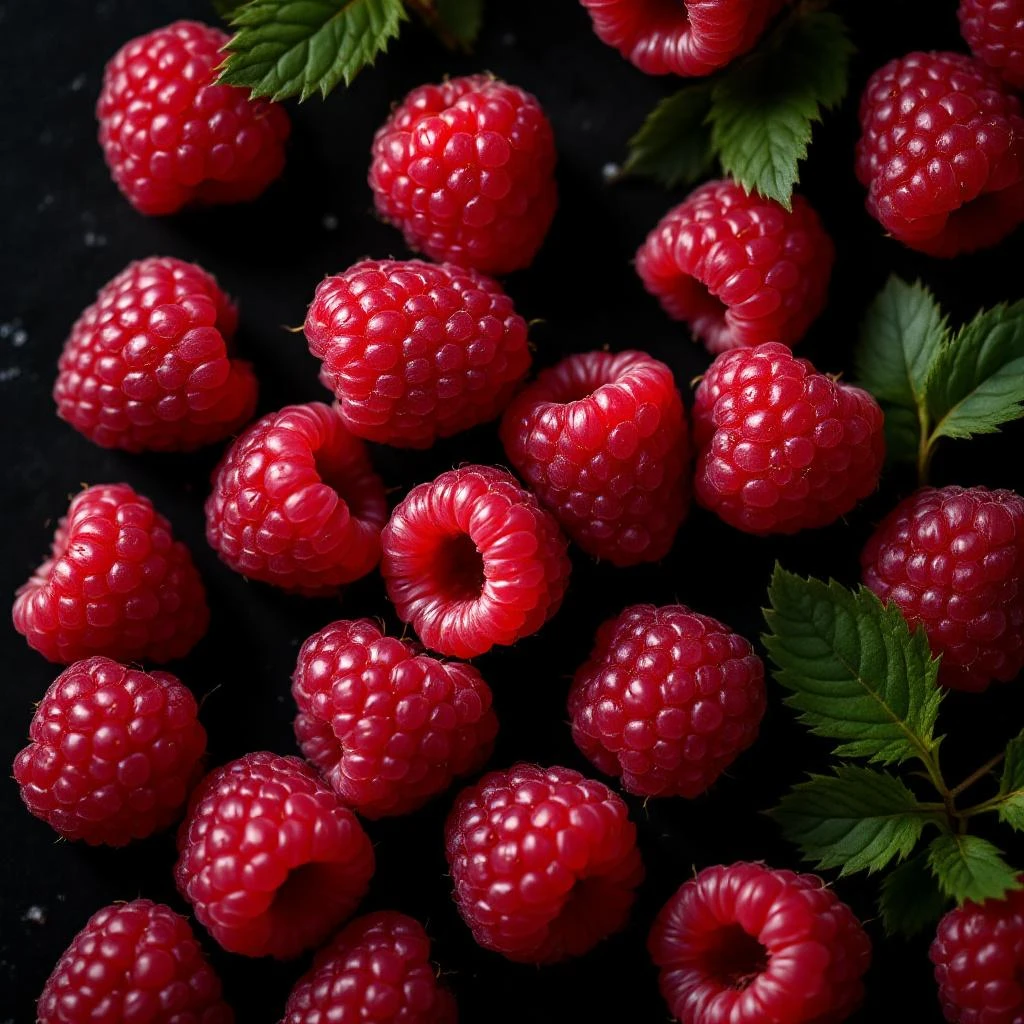
Lychee Blossom
A tropical floral note that captures the delicate sweetness of lychee fruit. Perfumers craft this scent in the lab since lychee yields no extractable oil. The result is a bright, juicy character prized in modern perfumery.
Character
How it smells
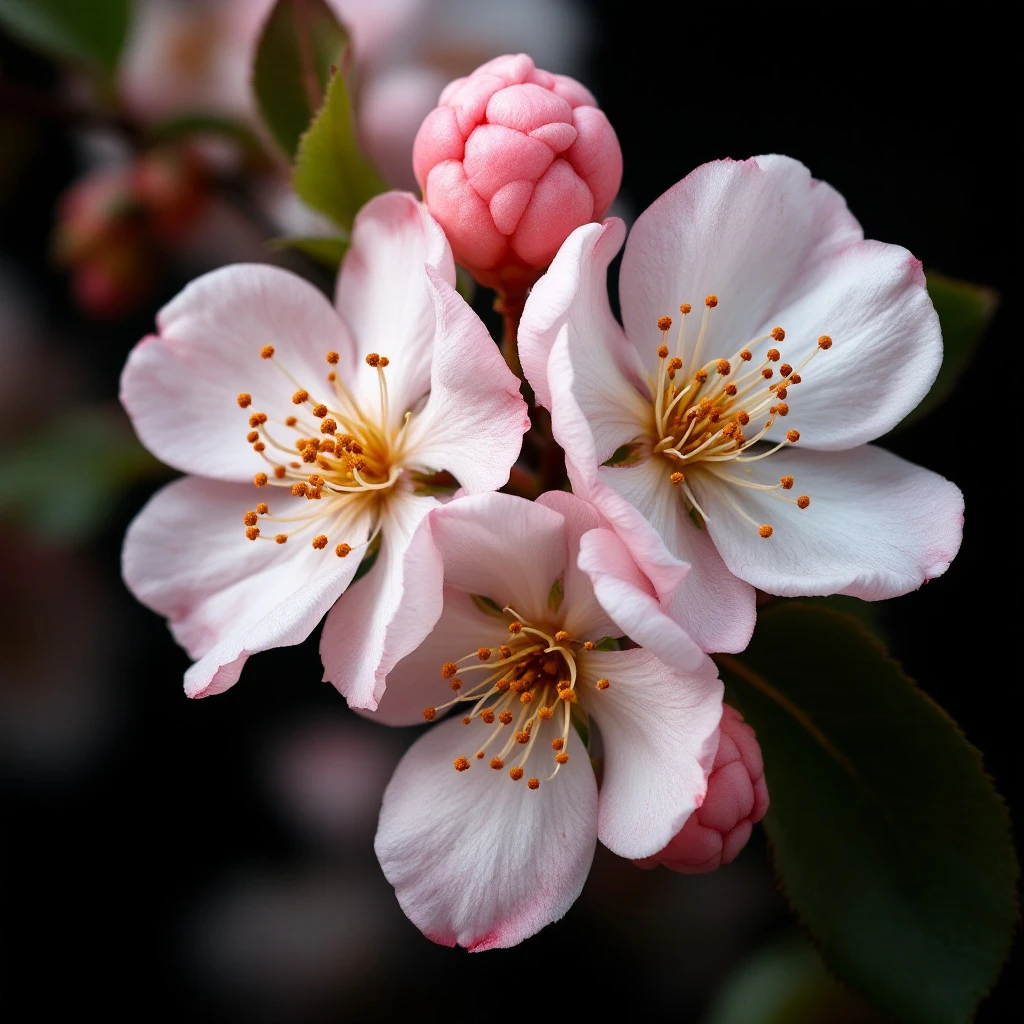
Tropical sweetness, lab-crafted precision.
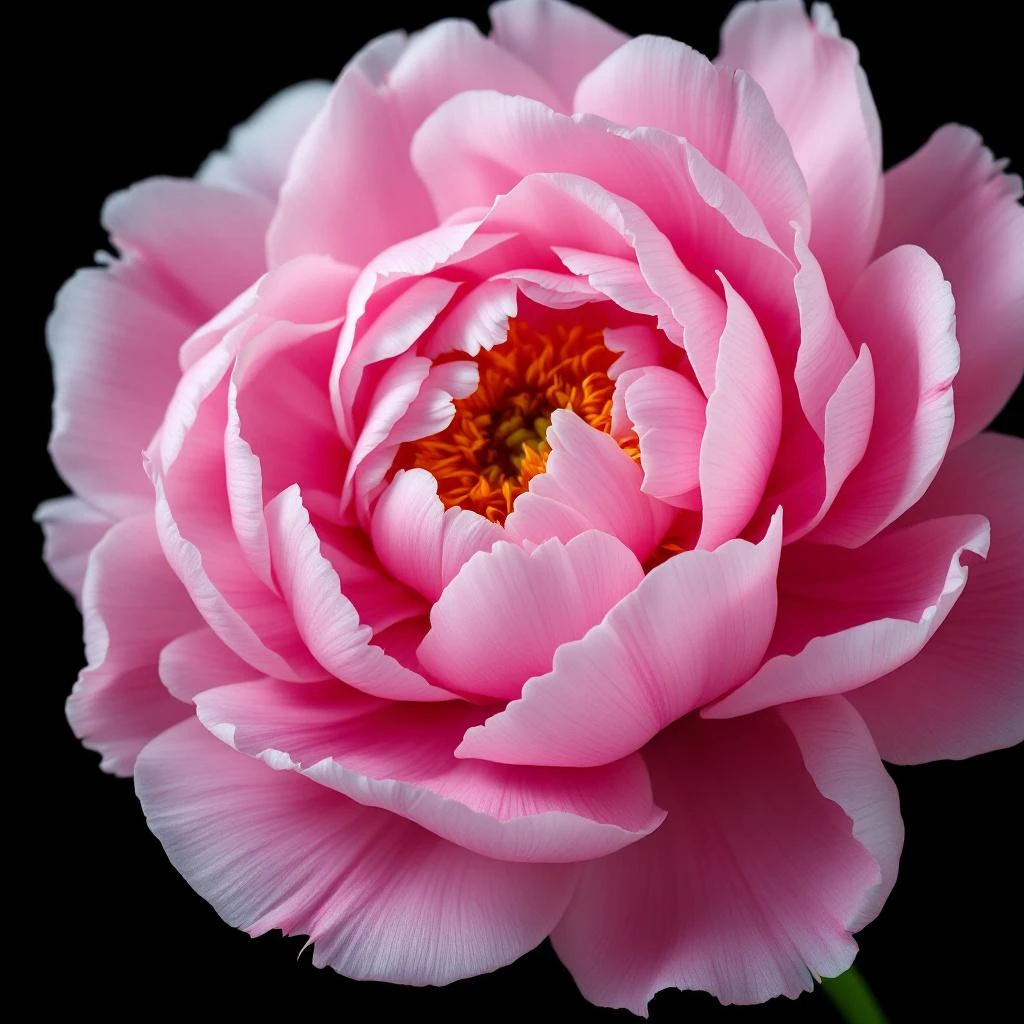
The lychee blossom scent relies on cis-rose oxide, a molecule also found in roses, giving it a rosy undertone beneath its tropical sweetness.


Origin
China
The lychee fruit originated in southern China, where it has grown for over two thousand years. Chinese texts mention lychee cultivation as early as 1059 AD, and the fruit held such prestige that it was reserved for imperial courts.
Western traders first encountered lychee in the seventeenth century, though it remained a curiosity until global trade expanded. Perfumery adopted lychee as a note much later, during the late twentieth century when synthetic chemistry advanced enough to recreate its distinctive scent.
The fruit's transition from exotic delicacy to fragrance ingredient reflects how perfume chemistry often draws inspiration from culinary and botanical traditions. Today, lychee blossom appears across mass and niche perfumery, valued for its ability to add sweetness without heaviness.
Wears it best
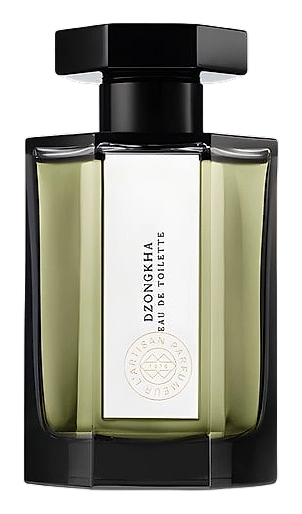
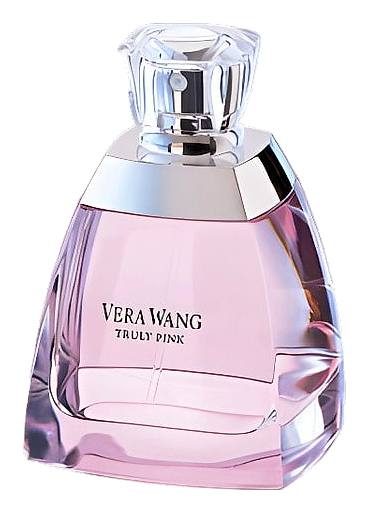
Fragrances featuring Lychee Blossom
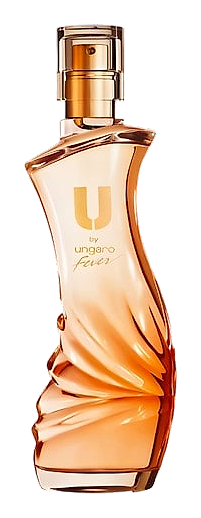
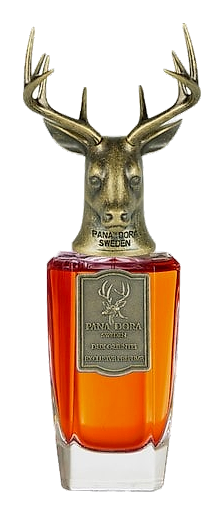
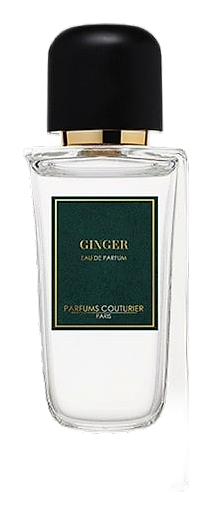

Brands
Brands known for Lychee Blossom
Good to know
Questions, answered
The essentials on Lychee Blossom in perfumery: how it smells, where it comes from, and how it behaves on skin.
What is lychee blossom in perfumery?
Lychee blossom is a synthetically recreated fragrance note that captures the scent of lychee fruit. Perfumers cannot extract this aroma naturally, so they build it molecule by molecule in the lab. The result provides a tropical, sweet-floral character for perfumes.
Why is lychee blossom synthetic?
Lychee contains too few aromatic compounds to allow for extraction. The fruit's scent molecules exist in quantities too small for commercial extraction methods. Perfumers solved this by identifying key aroma chemicals and reconstructing the profile synthetically.
What molecules create the lychee scent?
Cis-rose oxide forms the core of lychee reconstruction, contributing rosy, green notes. Perfumers supplement this with calone for watery effects and various fruit esters for sweetness. The layered approach builds a convincing lychee character.
What fragrances typically use lychee blossom?
Fragrance houses employ lychee blossom across multiple scent families. It appears in fruity florals, tropical perfumes, and gourmand compositions. The note works particularly well in women's fragrances seeking a fresh, sweet character.
How does lychee blossom differ from other tropical notes?
Lychee blossom offers a unique balance of sweetness and freshness. Unlike coconut or mango, it carries floral undertones from cis-rose oxide. The note also feels lighter and less creamy than many tropical alternatives.
Is lychee blossom safe for skin?
Regulatory bodies have approved the individual molecules used in lychee blossom reconstruction for cosmetic use. Perfumers follow IFRA guidelines to ensure safe concentrations in finished products. All approved synthetics undergo rigorous safety assessment.
How long has lychee been used in perfumery?
Lychee emerged as a perfumery note in the late twentieth century. Early synthetic chemistry lacked the tools to recreate its subtle profile accurately. Advances in fragrance synthesis during the 1980s and 1990s finally made convincing lychee reconstruction possible.
Can lychee blossom be combined with other floral notes?
Lychee blossom blends naturally with many florals, particularly rose and peony. The note enhances fruity florals when paired with raspberry or blackcurrant. Its lightness also complements aquatic and green fragrance families.