The Story
Why it exists.
The beginning
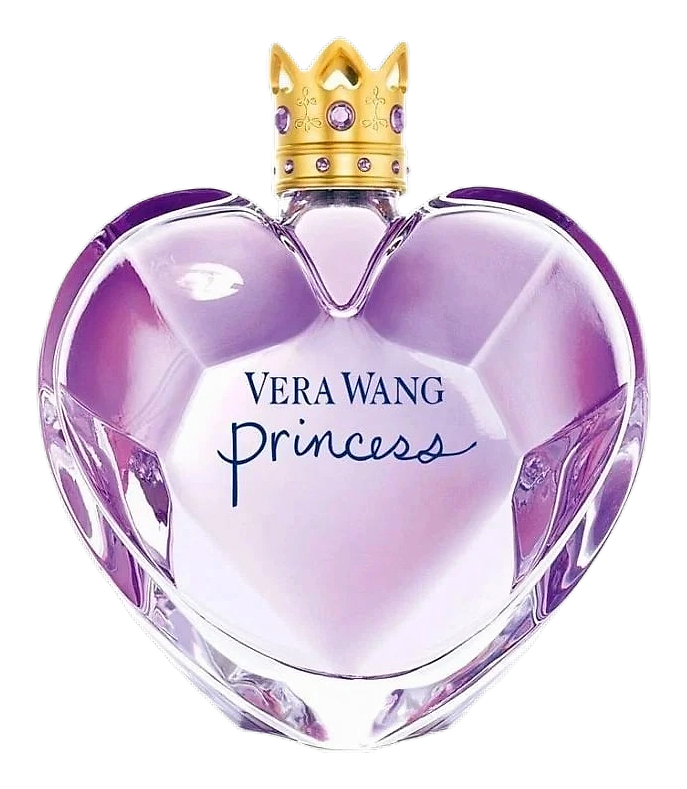
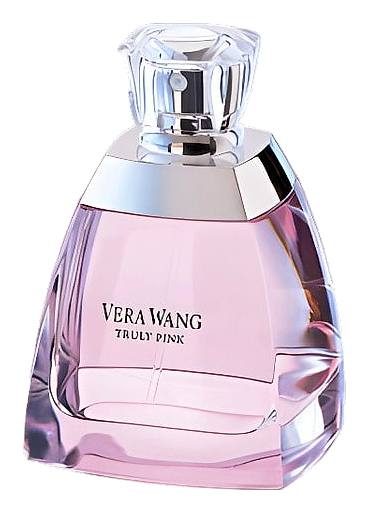
In 2006, Vera Wang extended her bridal universe into a fragrance that could live beyond the aisle. The brief was clear: femininity, but not the performative kind. The composition centers on a single flower, the peony, letting it occupy the center without apology. The name arrived from that impulse: Truly Pink. Not rose, not blush. Pink. Unmistakably, unironically pink.
What makes Truly Pink unusual is its restraint. Peony fragrances tend to swing toward bubblegum or overwhelming floral, one or the other. Here, the peony sits inside a structure of white freesia and lychee that keeps it honest. The lychee adds a translucent juiciness; the freesia keeps things cool and slightly green. It's not a garden. It's the idea of a garden, impressionistic, not literal.
The evolution
The opening arrives quickly: freesia and lychee give you something bright and watery, like cut stems before they wilt. Thirty minutes in, the peony takes over fully, but it doesn't bloom loudly. It sits close to the skin, intimate, with a translucent quality that the community reviewers describe as soapy in the best possible way. The blackcurrant from the top notes lingers just enough to prevent the florals from feeling powdery too soon. By the third hour, iris and violet arrive together, adding a soft powder trail that settles into clothing rather than air. The scent continues to evolve, with the florals deepening slightly as the hours pass, while the powdery accord maintains its gentle presence throughout wear.
Cultural impact
Truly Pink occupies a specific corner of the fragrance world: the bridal-adjacent floral that women reach for when they want to smell feminine without effort. Wearers describe it as the scent of someone who walked down an aisle and kept the feeling beyond the ceremony. Community reviews consistently praise its comfort and its ability to feel appropriate across seasons and occasions without ever demanding attention.