White freesia
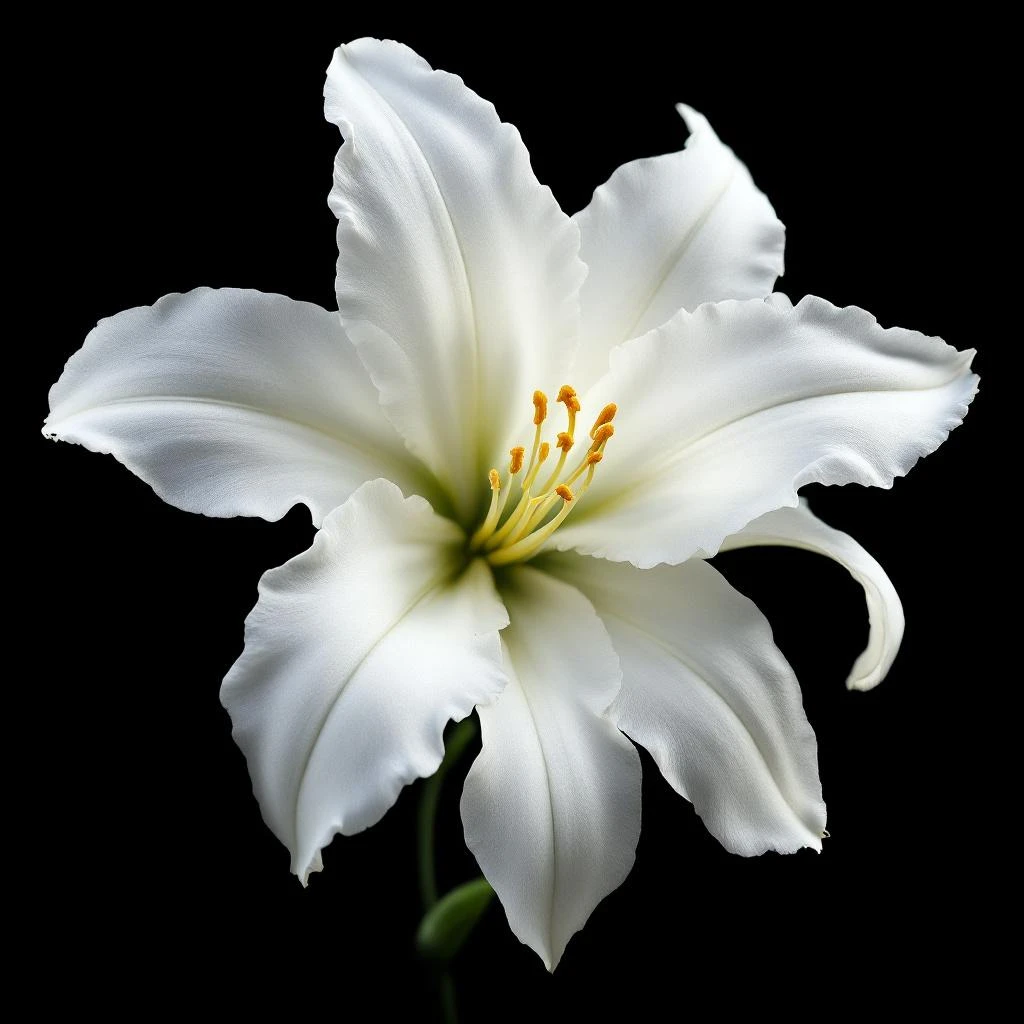
White freesia brings sunlight into a bottle. Its cool, sweet bloom floats between citrus and green, lending a freshness that feels like morning air through a florist's door.
Character
How it smells
Cool, sweet, and radiantly fresh
Freesias were named for a German physician who never actually saw them growing in their native South African habitat.








Origin
South Africa
The freesia earned its name from Friedrich Heinrich Theodor Freese, a physician from Kiel, Germany, who died in 1876. Danish botanist Christian Ecklon documented the flower in South Africa during the 19th century and named it in Freese's honor, though some sources also credit Carl Thunberg's earlier observations. Around ten wild species still grow natively across South Africa, thriving in rocky, well-drained soils.
European horticulturists took notice and began selective breeding programs that transformed the modest wild flower into the large, heavily scented cultivars we know today. The modern white freesia represents centuries of horticultural refinement condensed into a single, luminous bloom that has become indispensable to contemporary perfumery.
Wears it best
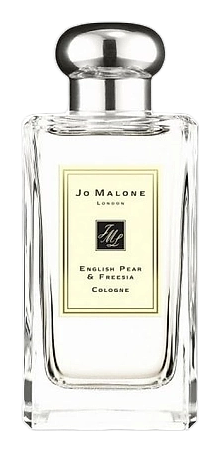
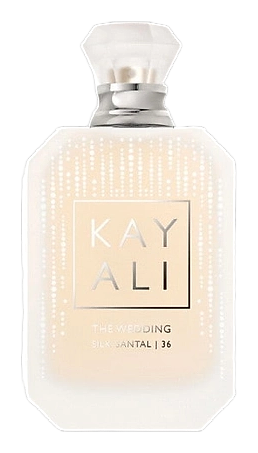
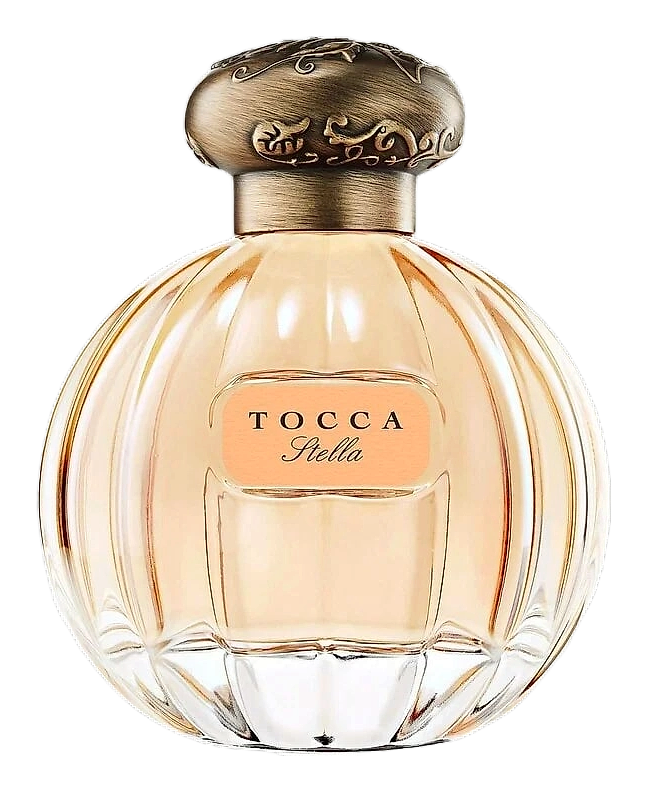
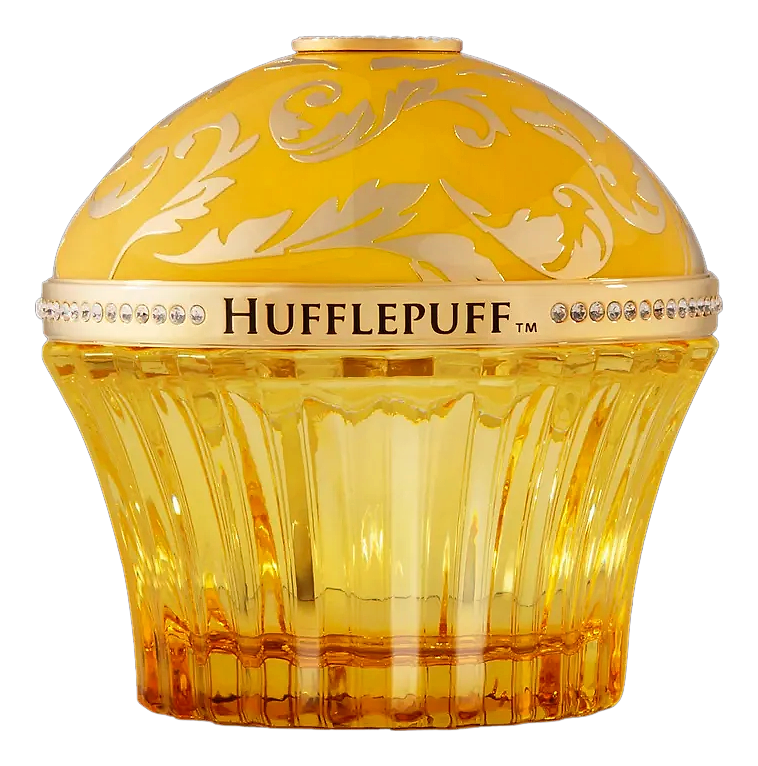
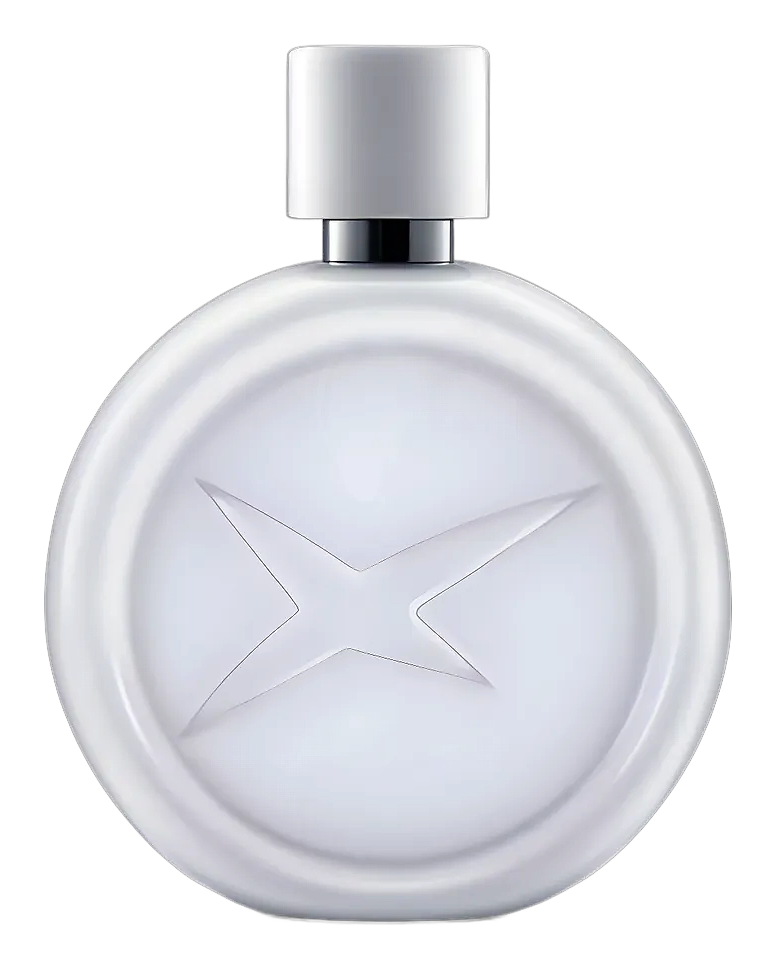
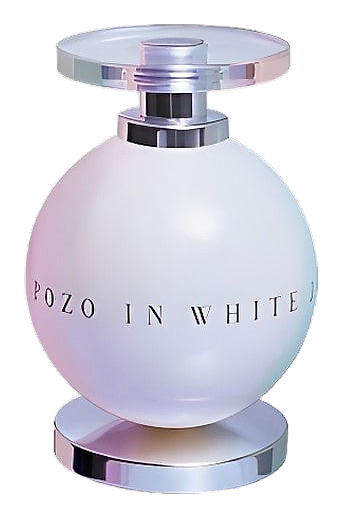
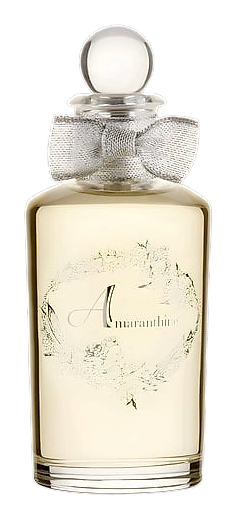
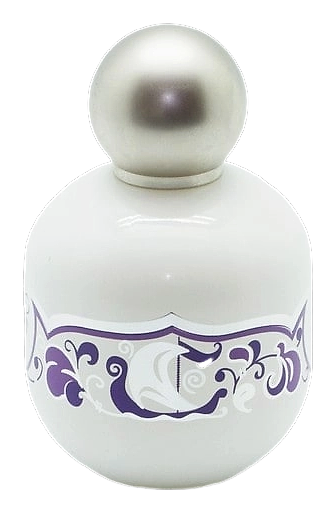
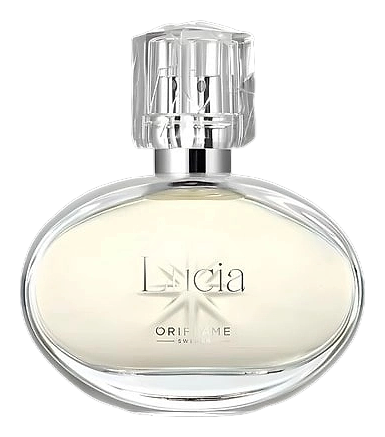
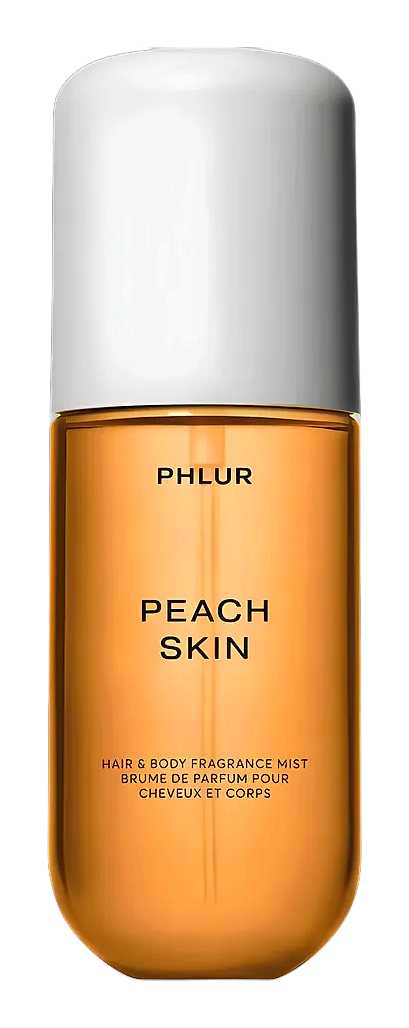
Fragrances featuring White freesia

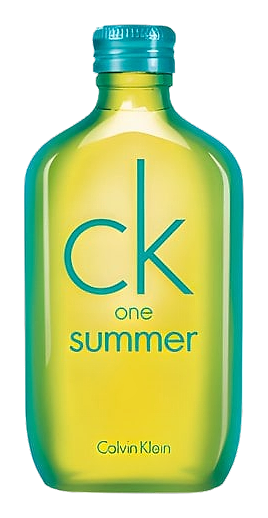
Brands
Brands known for White freesia
Good to know
Questions, answered
The essentials on White freesia in perfumery: how it smells, where it comes from, and how it behaves on skin.
Is white freesia a natural ingredient in perfume?
White freesia does not exist as a natural extract in perfumery. Perfumers construct its scent entirely through synthetic reconstruction using linalool as the primary component.
What does white freesia smell like?
White freesia smells fresh and sweet with citrus and green undertones. Its character is cool and luminous, functioning as a reliable heart note that bridges top and base elements in a composition.
Why is freesia so hard to extract naturally?
Freesia petals contain extremely low concentrations of aromatic compounds, yielding almost nothing through solvent extraction or distillation. This makes synthetic recreation the only viable approach.
What raw materials compose the freesia accord?
The freesia accord combines synthetic linalool (30 to 90 percent of the living flower's composition), ionone derivatives for violet-like depth, and green notes like cis-3-hexenol for vegetable freshness.
Where does freesia grow natively?
Around ten wild freesia species grow natively in South Africa, particularly in the Cape region. These wild varieties are smaller and less fragrant than the cultivars developed through European breeding programs.
Who named the freesia flower?
Danish botanist Christian Ecklon named the flower after German physician Friedrich Heinrich Theodor Freese, who passed away in 1876.
What role does freesia play in fragrance composition?
Freesia typically serves as a heart note, providing volume and sweetness without overwhelming other ingredients. It bridges citrusy top notes and richer base materials like musks or woods.
Can I find natural freesia perfume?
No natural freesia perfume exists on the market. Every fragrance labeled with freesia relies on reconstructed accords, which actually provides consistency across different products.


