    Brand Profile

    Vera Wang began as a bridal designer and grew into a lifestyle brand that includes ready‑to‑wear, accessories, home goods, and a line of fra…More

    United States·Est. 1990·Site

    4.3

    Rating

    Just Landed

    New Arrivals

    The latest additions to the Vera Wang collection.

    31
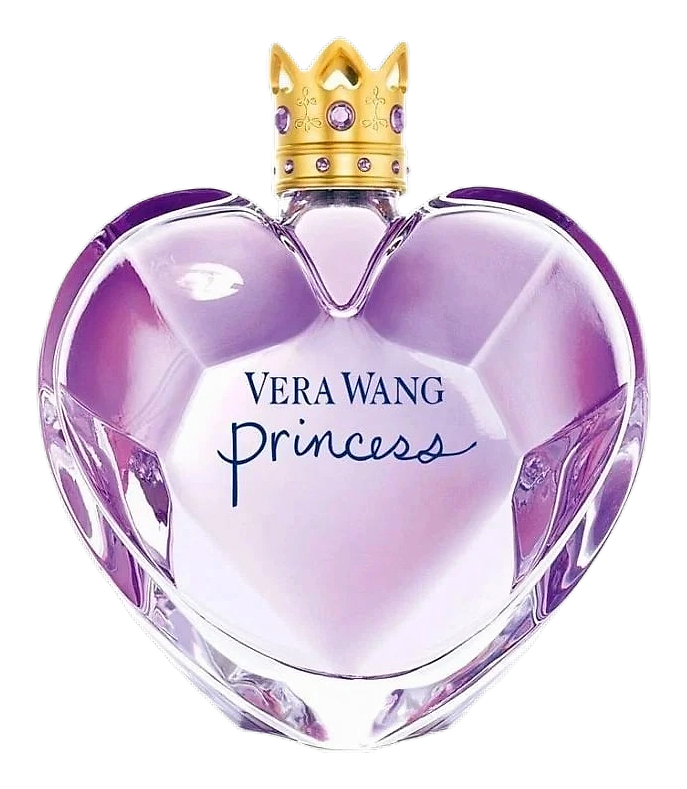
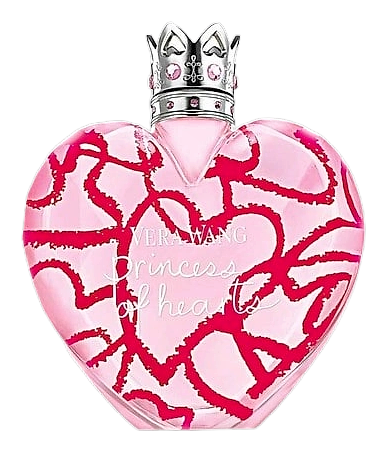
    Princess of Hearts by Vera Wang
    Best Seller
    4.3

    Princess of Hearts

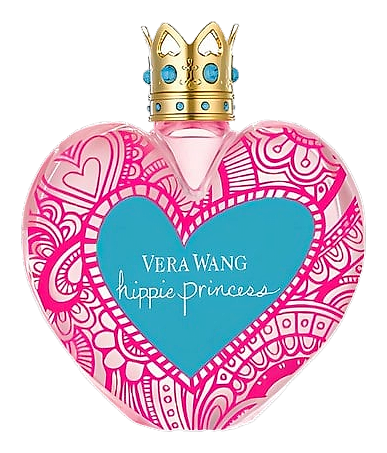
    Hippie Princess by Vera Wang
    Best Seller
    4.3

    Hippie Princess

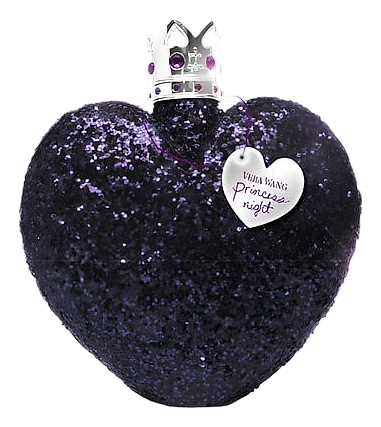
    Princess Night by Vera Wang
    Best Seller
    4.2

    Princess Night

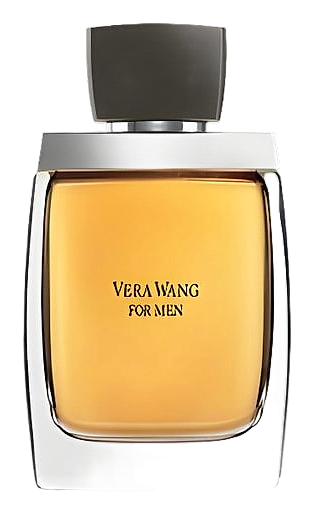
    Vera Wang for Men by Vera Wang
    4.1

    Vera Wang for Men

    Be Jeweled Rouge by Vera Wang
    4.1

    Be Jeweled Rouge

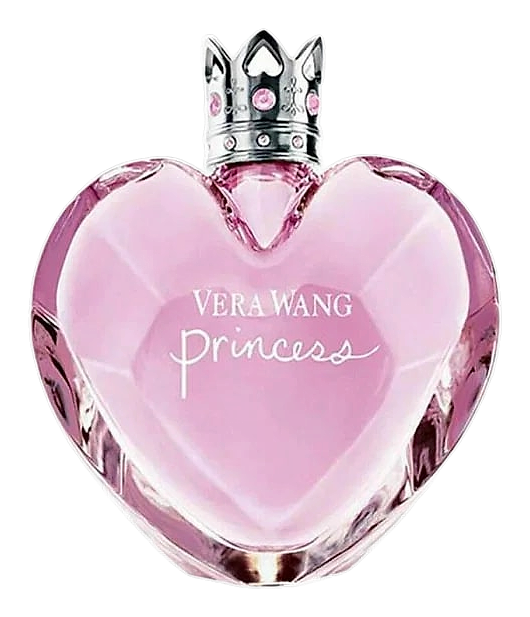
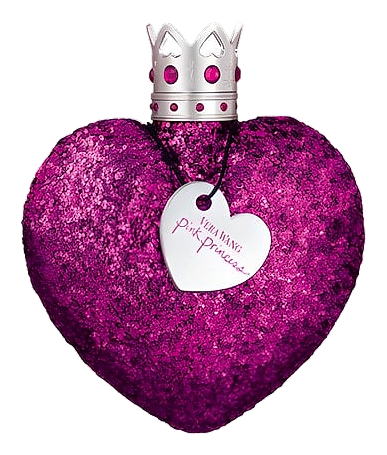
    Pink Princess by Vera Wang
    4.1

    Pink Princess

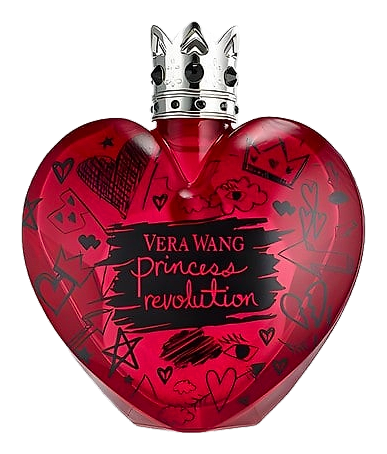
    Princess Revolution by Vera Wang
    4.1

    Princess Revolution

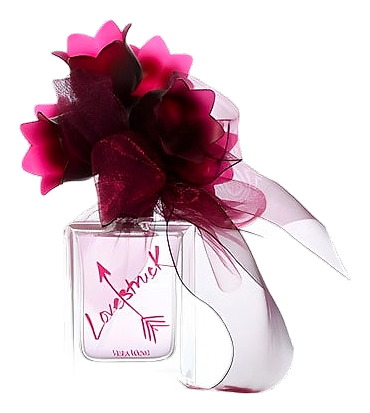
    Love Eau de Parfum by Vera Wang
    New
    4.1

    Love Eau de Parfum

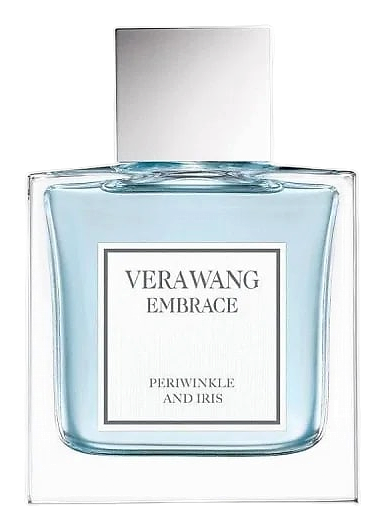
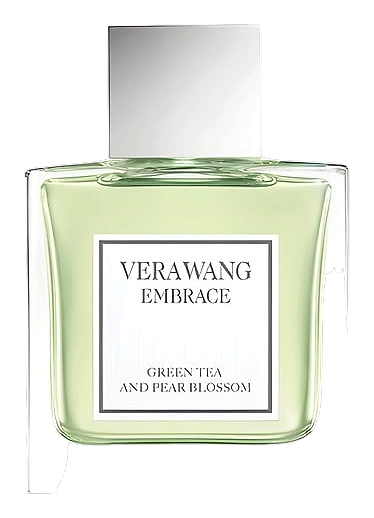
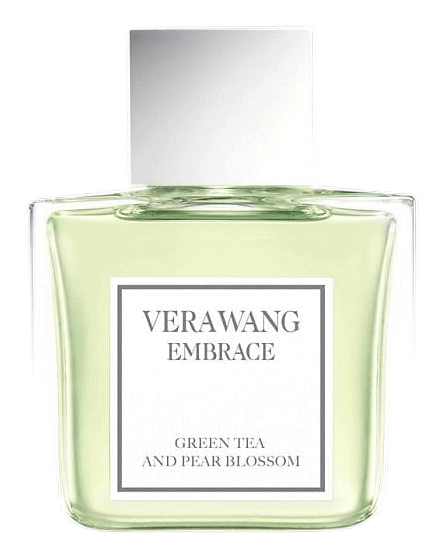
    Embrace Green Tea & Pear Blossom by Vera Wang
    4.0

    Embrace Green Tea & Pear Blossom

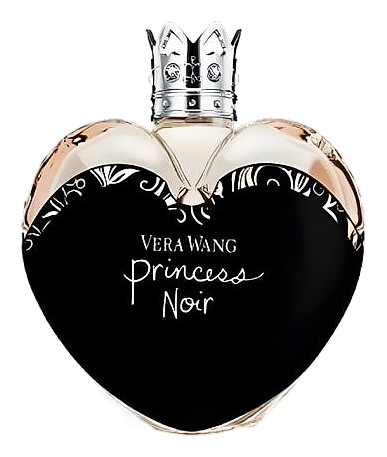
    Princess Noir by Vera Wang
    4.0

    Princess Noir

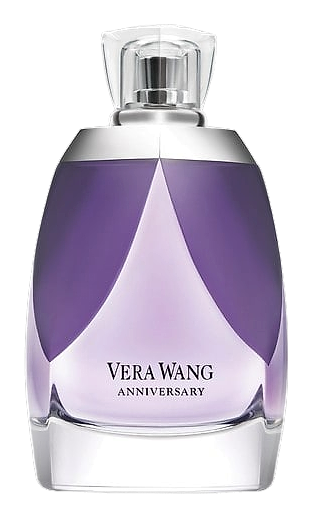
    Vera Wang Anniversary by Vera Wang
    4.0

    Vera Wang Anniversary

    Sheer Veil by Vera Wang
    4.0

    Sheer Veil

    1 of 3

    The Heritage

    The Story of Vera Wang

    Vera Wang began as a bridal designer and grew into a lifestyle brand that includes ready‑to‑wear, accessories, home goods, and a line of fragrances. The perfume portfolio launched in 2002 with a floral scent created by Jean‑Claude Delville and Harry Fremont, and it now spans whimsical editions such as Hippie Princess (2015) and the recent Love Eau de Parfum (2025). Each fragrance reflects the brand’s blend of romance and modern edge, offering women a way to wear a signature moment beyond the aisle. The collection remains anchored in the designer’s reputation for clean lines, meticulous detail, and an unapologetic sense of personal style.

    Heritage

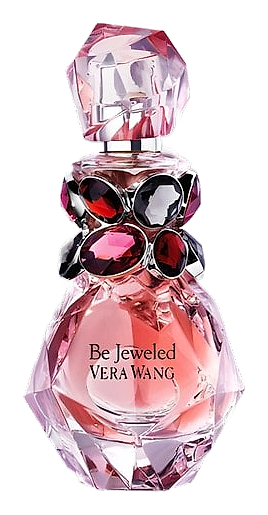
    Vera Ellen Wang opened Vera Wang Bridal House Ltd. in September 1990 after a decade at Vogue and a stint as design director for Perry Ellis. Her first bridal collections redefined wedding attire with sleek silhouettes and luxurious fabrics, quickly earning press coverage in major fashion magazines. In 2002 she extended the brand into perfumery, partnering with fragrance house Jean‑Claude Delville and Harry Fremont to release the eponymous Vera Wang perfume. The launch marked the first of more than a dozen scents, each built around a narrative theme such as Princess (2004) and Be Jeweled Rouge (2014). Over the next two decades the brand added ready‑to‑wear, accessories, and home décor, maintaining a consistent aesthetic that blends classic romance with contemporary minimalism. In 2024 Vera Wang sold the company to WHP Global, a move that placed the brand under a larger portfolio while preserving its creative direction. Throughout its evolution, the label has kept a focus on high‑quality materials, precise tailoring, and a personal touch that mirrors Wang’s own design philosophy. The fragrance line mirrors this trajectory, moving from the initial floral launch to experimental blends like Embrace Green Tea & Pear Blossom (2015) and the bold, dark fruit notes of Princess Noir (2017). Each release aligns with a specific moment in the brand’s timeline, reinforcing Vera Wang’s reputation as a creator of timeless yet current luxury experiences.

    Craftsmanship

    The fragrance house works with established perfume laboratories in France and the United States, where master perfumers blend raw materials under strict quality controls. Ingredients such as Bulgarian rose, Madagascar vanilla, and Japanese green tea are sourced from farms that meet International Flavour & Fragrance Association (IFRA) standards. For limited editions, the brand sometimes incorporates rare accords like Turkish ambergris or rare orchid extracts, always verifying purity through gas chromatography. Production runs follow Good Manufacturing Practice (GMP) guidelines, and each batch undergoes stability testing to ensure scent integrity over time. The bottling process uses hand‑finished glass that is sandblasted for a matte finish, a technique that reduces glare and highlights the perfume’s color. Caps are machined from polished metal and often feature a subtle engraved logo, a detail that the brand checks for alignment and depth before sealing each bottle. Quality assurance teams perform visual inspections, weight checks, and scent verification before the product leaves the facility. The brand also audits its supply chain annually to confirm ethical sourcing and to reduce environmental impact, a practice that aligns with its broader sustainability goals.

    Design Language

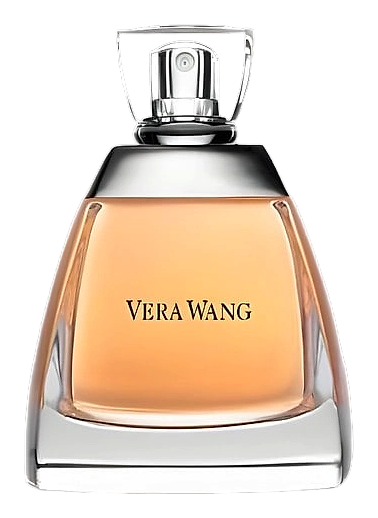
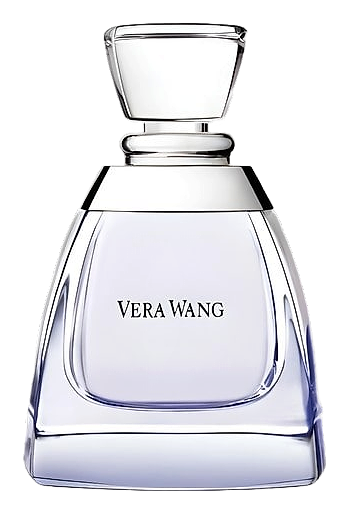
    Vera Wang’s visual language balances classic elegance with modern minimalism. Bottle designs favor clean lines, slender silhouettes, and a restrained color palette that echoes the brand’s bridal roots. The original 2002 perfume presented a clear glass vessel with a simple silver cap, allowing the liquid’s hue to become the focal point. Later releases, such as Princess Night (2012) and Princess Noir (2017), introduced deep jewel tones and matte finishes that suggest a nighttime allure while retaining the same slender profile. Typography across packaging uses a refined serif font, often paired with a subtle script for the fragrance name, reinforcing the romantic yet contemporary feel. Marketing imagery frequently features soft lighting, understated backdrops, and models dressed in the brand’s own couture, creating a seamless link between fashion and fragrance. The brand’s website follows the same aesthetic, employing generous white space, high‑resolution product photography, and concise copy that lets the scent story speak for itself.

    Philosophy

    Vera Wang approaches perfume as an extension of personal storytelling. The brand believes that scent should capture a feeling as precisely as a dress captures a silhouette. Creative teams start with a narrative—whether a modern princess, a midnight garden, or a quiet love—and translate that story into a palette of notes. The philosophy emphasizes balance: romantic flourishes sit beside crisp, contemporary accents. Sustainability entered the conversation in the mid‑2010s, prompting the brand to source certain ingredients from certified farms and to explore recyclable packaging options. Wang herself stresses that every bottle should feel like a keepsake, encouraging wearers to treat fragrance as a daily ritual rather than a fleeting trend. The brand also values collaboration, inviting perfumers and visual artists to contribute their perspectives while keeping the final composition aligned with the overall Vera Wang aesthetic.

    Key Milestones

    1990

    Opened Vera Wang Bridal House Ltd. in New York, establishing a new direction for bridal fashion.

    2002

    Launched the first Vera Wang fragrance, a floral scent created by Jean‑Claude Delville and Harry Fremont.

    2004

    Introduced Vera Wang for Men, expanding the line to include a masculine counterpart.

    2014

    Released Be Jeweled Rouge, a bold, jewel‑inspired fragrance that highlighted the brand’s evolving palette.

    2017

    Added Princess Noir, a dark, fruity‑floral scent that deepened the Princess sub‑line.

    2024

    Sold the Vera Wang brand to WHP Global, positioning the label for broader international growth.

    At a Glance

    Brand profile snapshot

    Origin

    United States

    Founded

    1990

    Heritage

    36

    Years active

    Collection

    1

    Fragrances released

    Avg Rating

    4.3

    Community sentiment

    Release Rhythm

    2025
    1
    2023
    1
    2018
    1
    2017
    2
    2016
    2
    2015
    4
    2014
    3
    2013
    2
    verawang.com

    Did You Know?

    Interesting Facts

    Distinctive details and defining moments that shape the house personality.

    01

    Vera Wang designed her first wedding dress for a friend in 1990, and the bridal house opened the same year she left Vogue.

    02

    The original 2002 perfume bottle was manufactured in a French glassworks that also supplies luxury champagne flutes.

    03

    Princess Noir uses a rare night‑blooming jasmine sourced from a single estate in Thailand, a note that appears in less than 2% of mainstream fragrances.

    04

    Wang’s partnership with WHP Global in 2024 included a clause that guarantees she will retain creative control over new fragrance concepts.