Iris Pallida
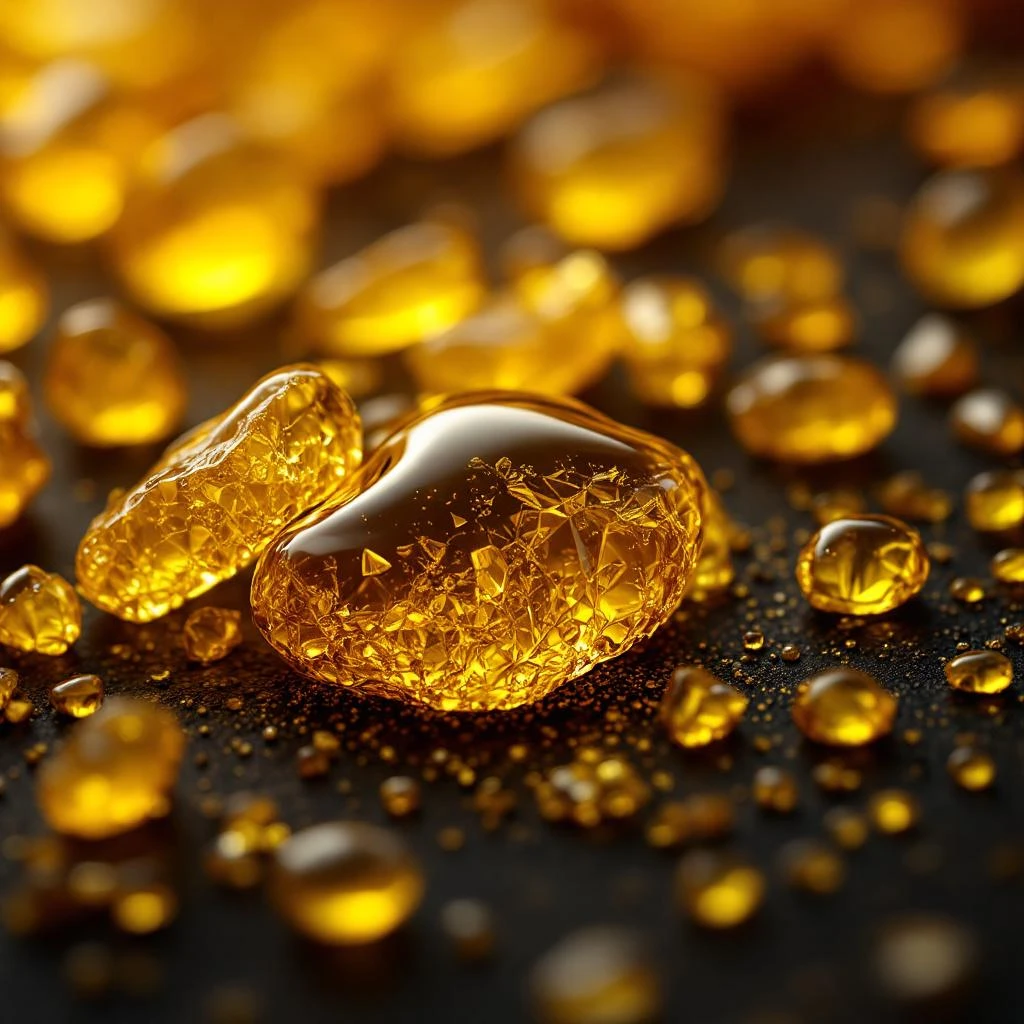
Beneath the iris flower lies its true treasure—an underground stem packed with aromatic complexity. After years of patient aging, Iris pallida rhizomes yield one of perfumery's most coveted materials: a powdery, floral essence worth more than gold.

Character
How it smells
One ingredient. Six years. Infinite elegance.
The iris flower itself is scentless. Every trace of its legendary fragrance hides underground, waiting in the rhizome.








Origin
Italy
The Greeks and Romans first recognized iris for its medicinal and cosmetic properties long before modern perfumery existed. Renaissance apothecaries across Europe traded orris root for its aromatic and soothing qualities.
Catherine de Medici carried iris to the court of Louis XVI, introducing this aristocratic ingredient to French luxury culture. By the 18th and 19th centuries, iris had secured its place in fine perfumery, providing the soft, powdery heart notes that defined classical fragrances.
The connection between iris and the word "powdery" traces directly to history: Renaissance women used rice powders scented with iris to dust their faces and perfume their wigs. This ancient practice gave iris its enduring association with elegance and refinement.
Today, iris remains a cornerstone of luxury perfumery. Its powdery floral sweetness and woody depth appear in timeless compositions like Chanel No. 19, Guerlain's L'Heure Bleue, and countless niche creations. Though native to the Far East, the finest iris now grows in Italy's Tuscany region, Morocco, and France.
Wears it best
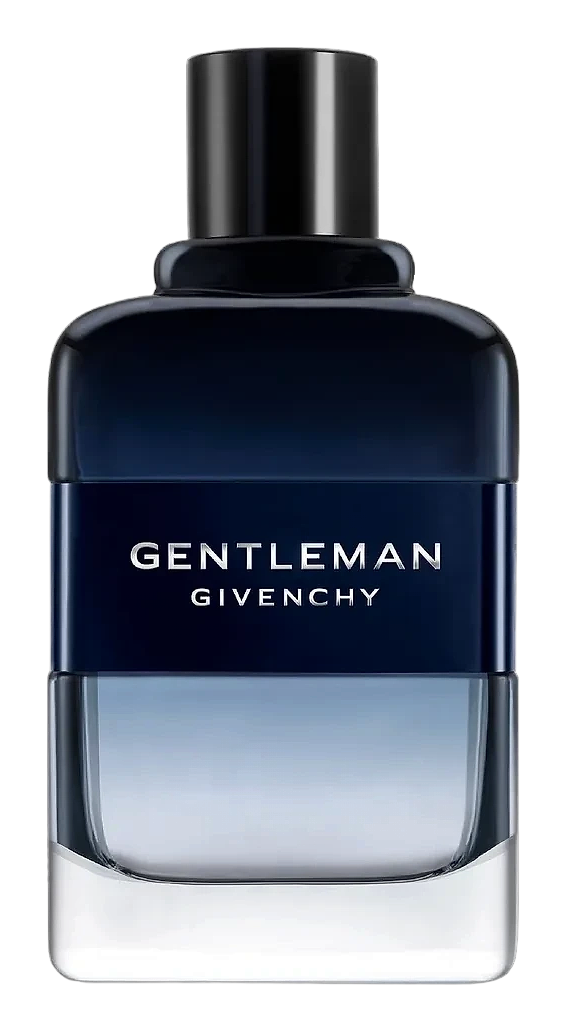
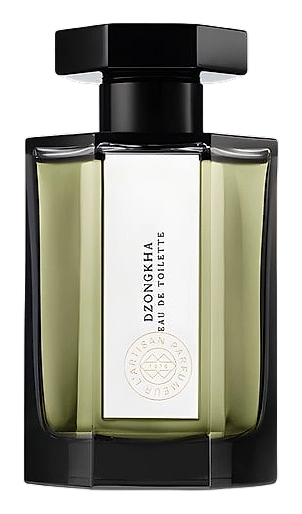
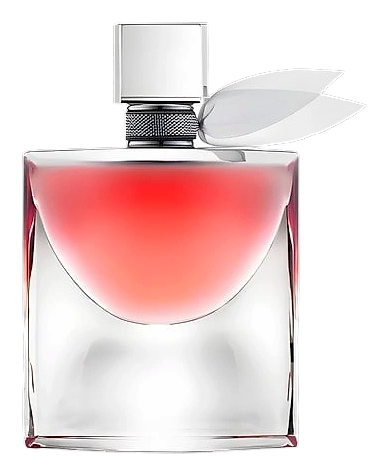
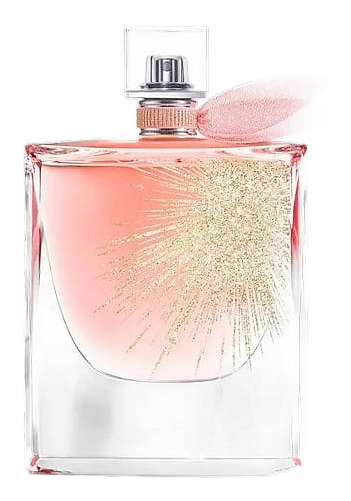
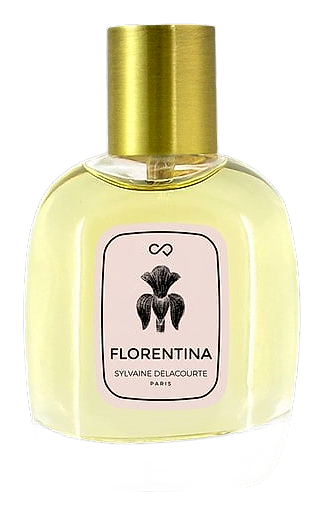
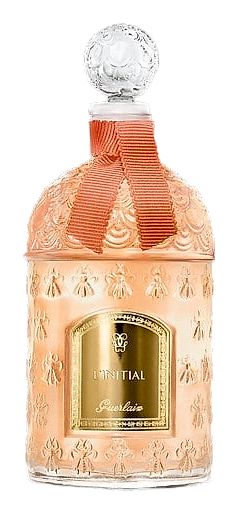
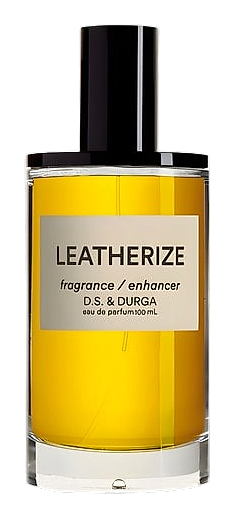
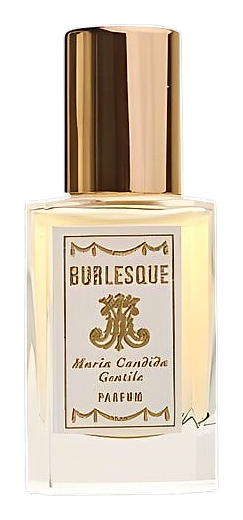
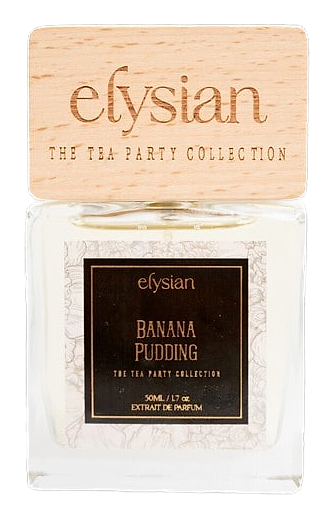
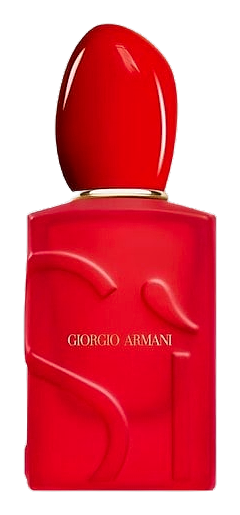
Fragrances featuring Iris Pallida


Brands
Brands known for Iris Pallida
Good to know
Questions, answered
The essentials on Iris Pallida in perfumery: how it smells, where it comes from, and how it behaves on skin.
Where does iris fragrance actually come from?
The flower holds no scent. The fragrance lives entirely in the rhizome—an underground stem that must age for years before revealing its aromatic potential.
How many years does iris take to produce?
The complete process takes approximately six years, from harvest to absolute. Rhizomes alone require 2 to 3 years of aging before processing.
What creates the powdery iris note?
Irones are the primary aromatic molecules. Italian Iris pallida contains 0.4 g of pure irones per kilogram of dry rhizome, setting the industry standard.
Which countries produce the finest iris?
Italy leads, particularly the Tuscany region. Morocco and France also produce respected crops. Italian Iris pallida remains the reference standard for quality.
What is the difference between iris butter and iris absolute?
Steam distillation of crushed, aged rhizomes produces solid iris butter. Extracting this butter with a volatile solvent yields the more concentrated absolute.
Why does iris command such extreme prices?
Low yield, lengthy production time, and high demand drive prices above 100,000 euros per kilogram. It is the costliest natural ingredient in perfumery.
Which botanical varieties are used in perfumery?
Iris pallida offers superior aromatic quality and is the preferred species. Iris germanica serves as an alternative with slightly different characteristics.
Where does the term powdery originate?
It traces to Renaissance rice powders scented with iris. These cosmetics dusted faces and wigs, giving the note its name and elegant associations.

