The Story
Why it exists.
The beginning
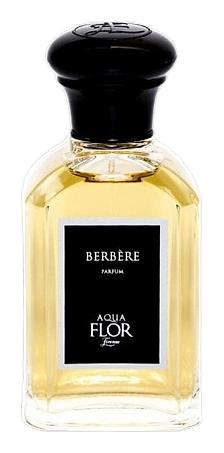
Berbere was born in Aquaflor's laboratory tucked inside the Palazzo Corsini in Florence, a setting steeped in the same artisanal tradition that has defined the city for centuries. Sileno Cheloni chose the name for its direct connection to the North-African spice blend that colors market stalls with heat and intensity, borrowing that energy and filtering it through a distinctly Florentine sensibility. Rather than importing exotic materials wholesale, Cheloni worked with the citrus and spice traditions of both cultures, building a fragrance that echoes the sensory chaos of a street market in the Mediterranean while remaining composed within the controlled environment of a historic palazzo workshop. The name itself functions as a declaration of intent, warmth, color, and the unmistakable presence of spice.
Cheloni's approach with Berbere treats the spice and wood notes not as decorative accents but as the structural pillars of the composition. The citrus opening serves a specific function: it provides an entry point that is immediately legible and broadly appealing, clearing the path for the darker, more complex heart that follows. The decision to anchor the drydown in ebony wood rather than a softer alternative reflects a preference for austerity over comfort. Cedarwood complements this choice by adding a faint camphorated warmth that prevents the base from feeling too stark or cold.
The evolution
The fragrance begins its life on skin as a clear, luminous citrus chord, the kind that reads as sharp and energetic rather than sweet or synthetic. This brightness serves as an introduction, a brief window of accessibility before the spicy heart begins to establish itself. Within the first thirty minutes, the spice accord arrives gradually, layering into the citrus space until the latter fades completely. The heart is where Berbere justifies its name, the aromatic spices evoke the heat and complexity of the berbere blend, carrying a mild but persistent warmth that satisfies without overwhelming. By the second hour, the drydown takes full control. Ebony wood arrives first, dense and slightly bitter, followed by cedarwood that softens the edges just enough to keep the base from feeling harsh. The woody drydown lingers for several hours, making this one of the more persistent phases of the fragrance and the one most likely to be remembered by anyone who encounters it on skin.
Cultural impact
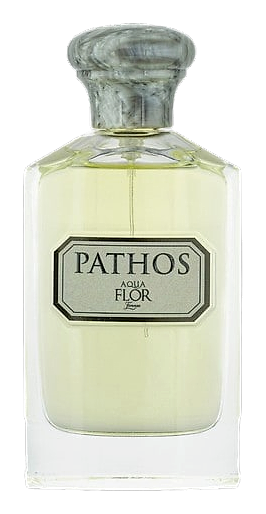
Since its quiet debut, Berbere has become a conversation starter among niche enthusiasts who appreciate a spice‑forward scent that doesn’t surrender to overt oud. Wearers often cite its ability to bridge Mediterranean freshness with North‑African heat, positioning it alongside Aquaflor’s Pathos and Aenigma as a modern take on historic trade‑route aromas.