Character
The Story of Aromatic spices
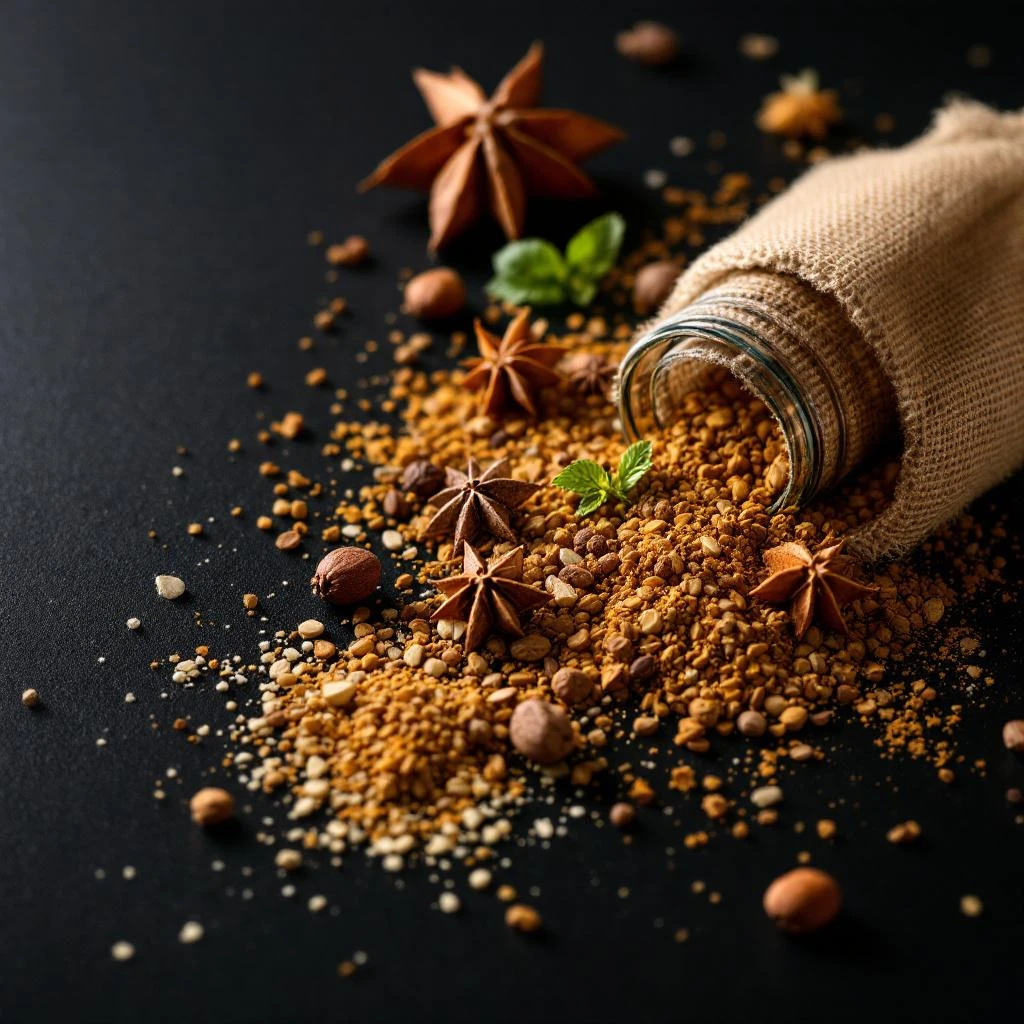
A broad perfumery category encompassing warm, evocative spices like cardamom, clove, cinnamon, black pepper, and ginger. These ingredients add depth, heat, and exotic complexity to fragrance compositions, ranging from bright citrusy-topped notes to deep, resinous base dimensions.
Heritage
Aromatic spices have shaped human civilization as much as fragrance itself. Ancient Mesopotamians traded these precious materials 4,000 years ago, while Egyptian priests burned cinnamon and cassia in temple rituals. The Greeks and Romans scattered these spices throughout their baths, homes, and public spaces, establishing an early global olfactory economy. The Islamic Golden Age transformed spice use from mysticism into science when Avicenna pioneered steam distillation in the 10th century, enabling clearer extraction of cardamom and rose oils. European Renaissance traders risked fortunes across uncharted waters seeking these materials, forever linking aromatic spices with exploration, luxury, and the birth of modern commerce.
At a Glance
1
Feature this note
India
Primary source region
Ingredient Details
Steam distillation, solvent extraction, supercritical CO2 extraction
Seeds, buds, bark, fruit, rhizomes
Did You Know
"Cardamom, one of the most prized aromatic spices, was once used as currency along ancient spice routes and remains the third most expensive spice after saffron and vanilla."