The Story
Why it exists.
The beginning
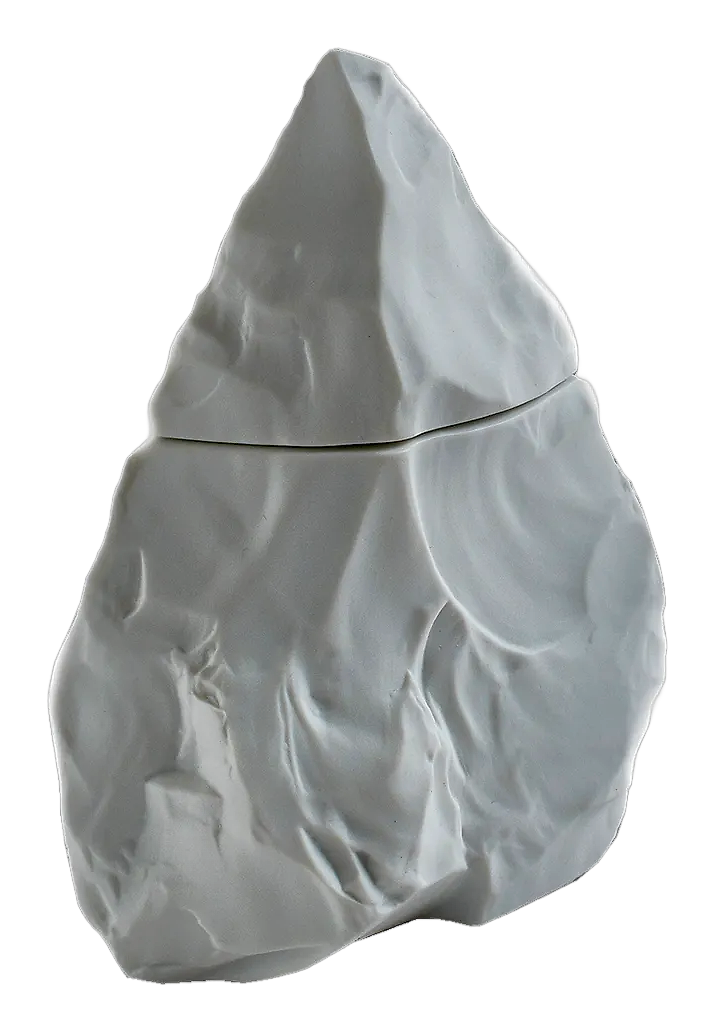
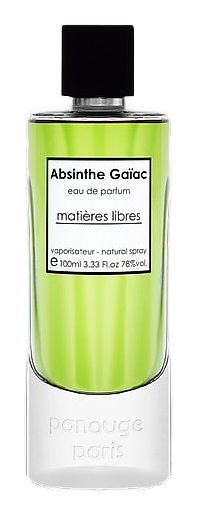
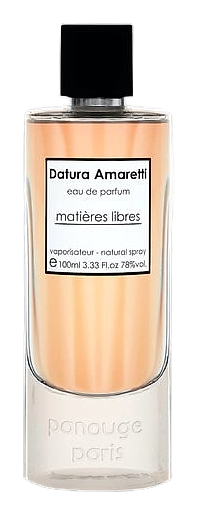
The Matières Libres collection gave Marie Schnirer a rare thing in perfumery: no brief, no restrictions, no market to please. Just raw materials and the freedom to push them. The brief, if there was one, seemed to be this: take something familiar and make it unrecognizable. Rose Agathe is the result, a Turkish rose amplified until its metallic and mineral facets become the whole story, not a footnote to sweetness.
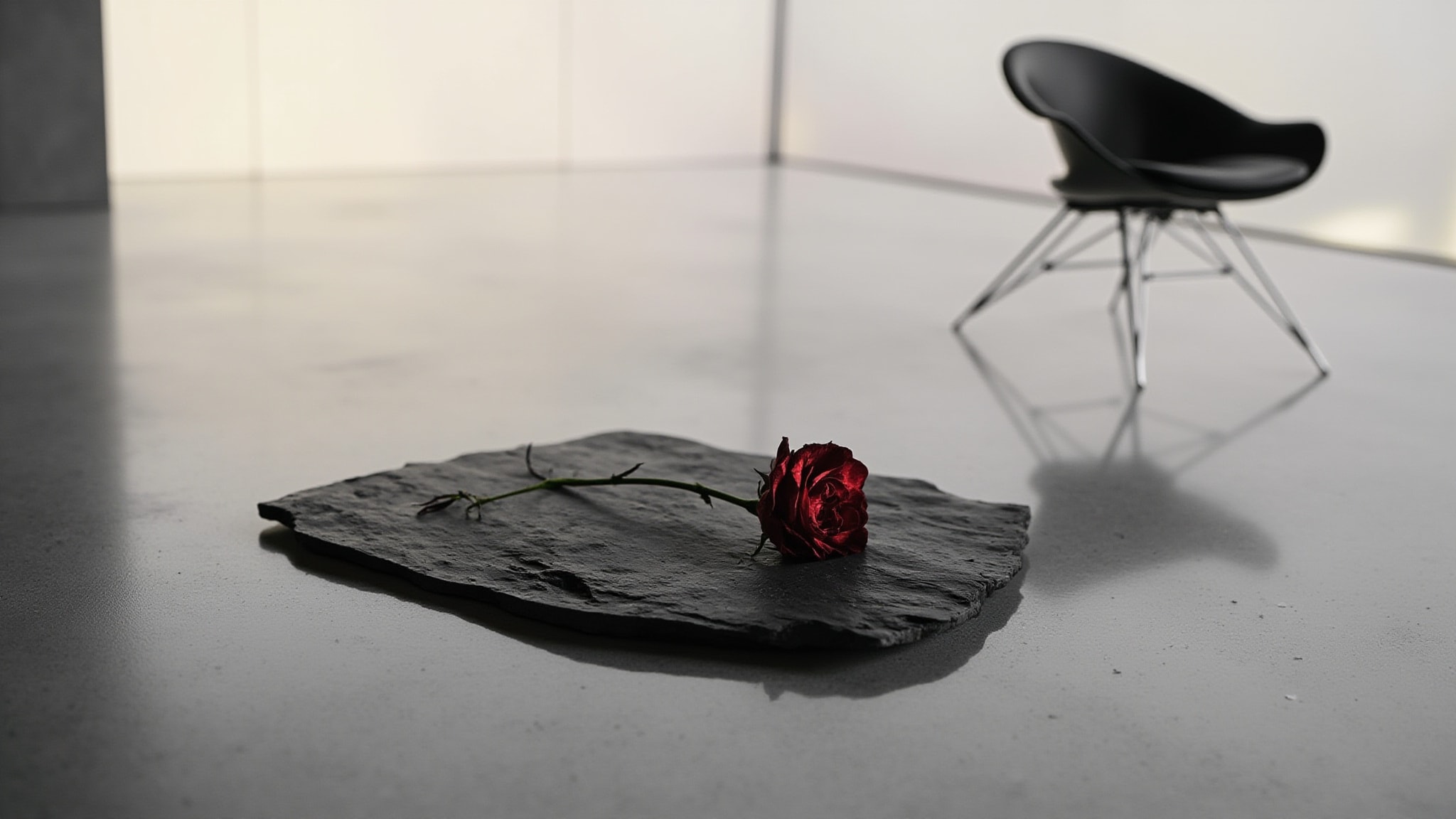
What makes this composition unusual is the material honesty. Rose Agathe doesn't soften its rose with fruit or cream to make it palatable, it leans into the harder edges that rose naturally carries. Black pepper and elemi resin in the top keep the opening sharp. Mineral notes throughout prevent the heart from ever settling into comfort. The leather and labdanum in the base don't warm the rose, they ground it in something cooler, almost geological. This is a rose that took a wrong turn through a stone quarry and kept walking.
The evolution
The opening hits cool and metallic, almost astringent. Black pepper prickles, elemi resin adds a distant warmth, and then the rose arrives, but not softly. Rose oxide gives it a green, slightly medicinal lift that keeps the floral from ever feeling delicate. Mineral notes arrive by mid-drydown and begin to reshape everything around them. The rose reads different now, less romantic, more structural. By the time leather and labdanum emerge, the mineral accord has already claimed the skin. Ebony wood adds smoky depth underneath, but the dominant sensation is stone, cold, close, lasting well into the next day if your skin holds. Moderate sillage keeps it personal rather than announced.
Cultural impact
Rose Agathe emerged during a period when niche perfumery sought to deconstruct and reimagine classic floral accords. Its metallic-mineral treatment of Turkish rose represented a deliberate departure from the sweet, romanticized rose interpretations that dominated mainstream fragrance culture. The Matières Libres collection provided Marie Schnirer with creative latitude to challenge conventional rose perfumery, resulting in a fragrance that interrogates what a rose can be when stripped of traditional sweetness. This approach aligned with broader artistic movements in fragrance that valued material honesty over comfortable familiarity, making Rose Agathe both a product and a statement about creative autonomy in commercial perfumery.