Rose Oxide
Rose Oxide is a powerful character-impact aroma chemical that captures the essence of fresh rose petals. Developed for year-round use, it delivers the floral, green character of Damask rose without seasonal dependency. This synthetic ingredient is a staple in modern perfumery for both fine fragrances and functional scent applications.

Character
How it smells
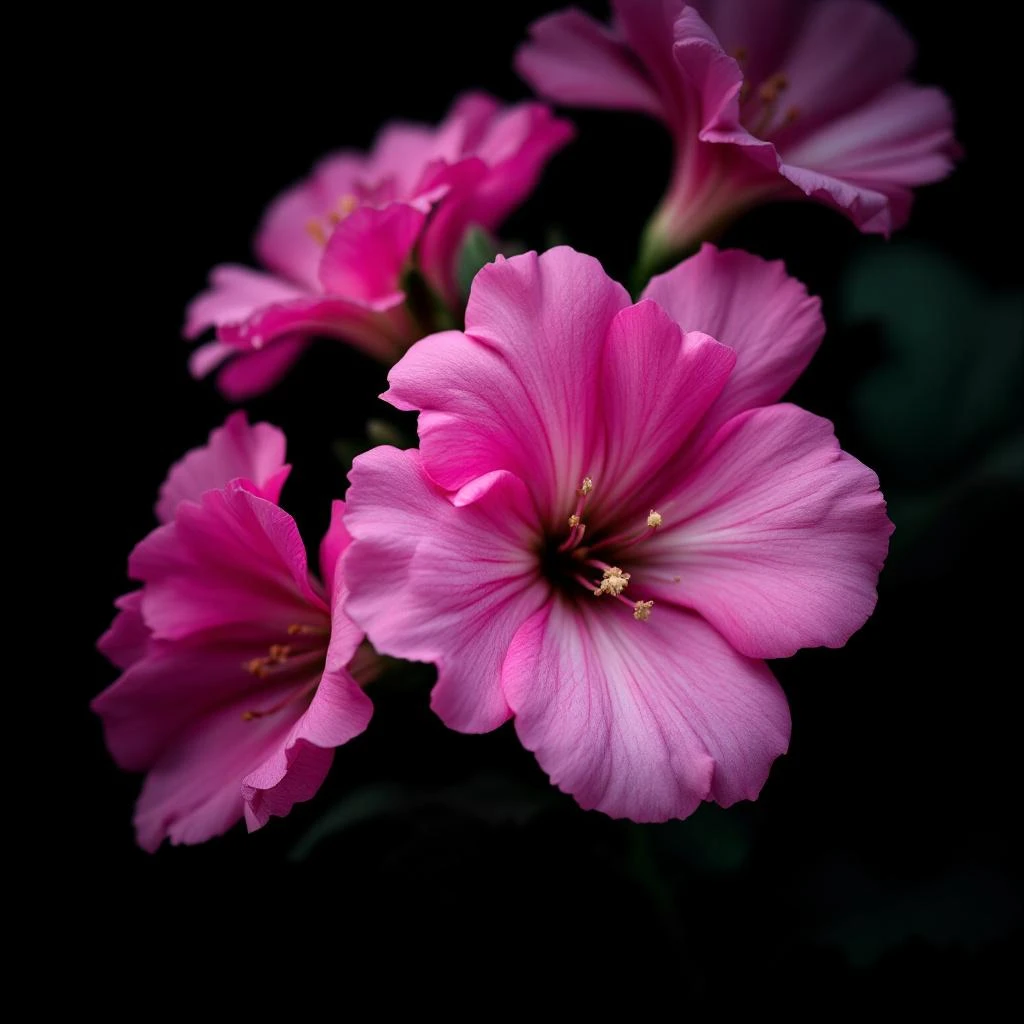
The synthetic heart of rose, echoing petals in a molecule.
Though present in only trace amounts in natural rose oil, Rose Oxide contributes disproportionately to its characteristic fresh, green rose aroma that perfumers prize most.







Origin
Bulgaria
Roses have been cultivated and celebrated since ancient times, with fossil findings suggesting the genus Rosa dates back approximately 40 million years. Civilizations across China, India, Persia, Egypt, Greece, and Rome all prized roses for their beauty and fragrance, incorporating them into rituals, medicines, and cosmetics. The Damask rose, Rosa damascena, became the cornerstone of perfumery in the Middle East and Mediterranean.
Modern fragrance chemistry emerged in the late 19th and early 20th centuries as scientists began isolating and synthesizing individual aroma compounds. Rose Oxide represents this evolution, created to capture and deliver the essential rosy character efficiently, democratizing rose fragrance beyond the constraints of seasonal harvest and climatic conditions that limit natural rose oil production.
Wears it best
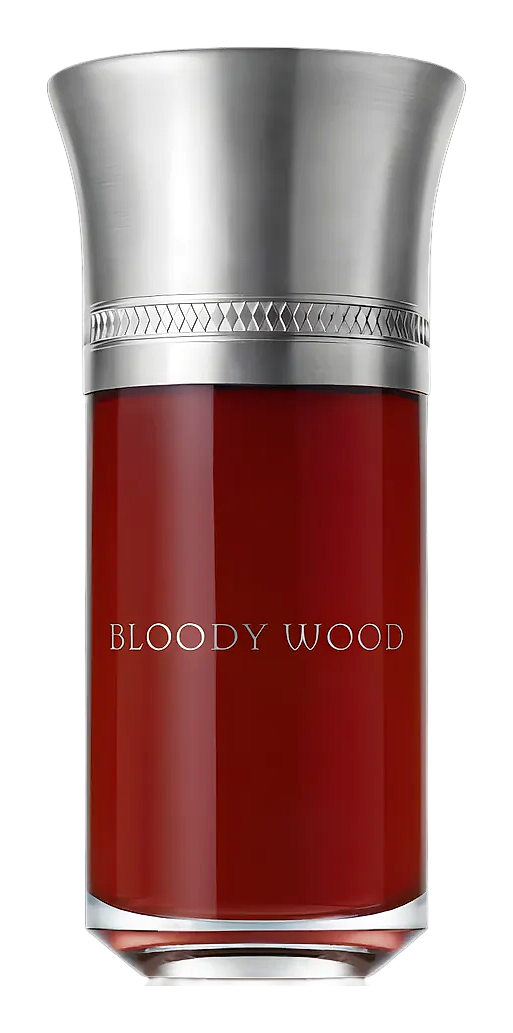
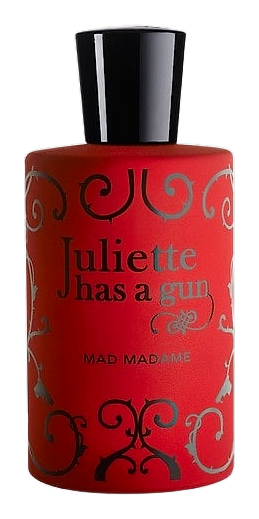
Fragrances featuring Rose Oxide


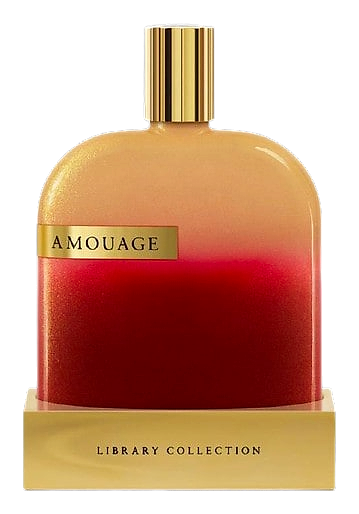

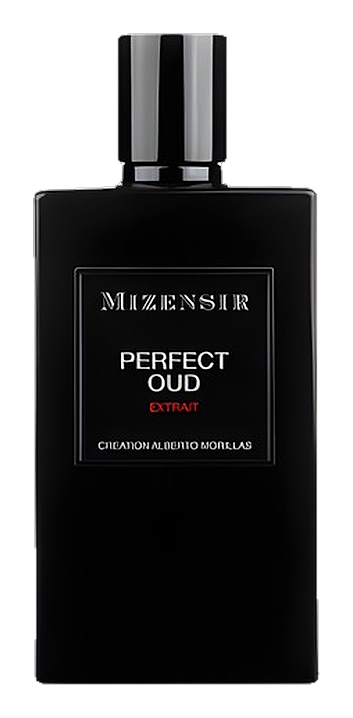
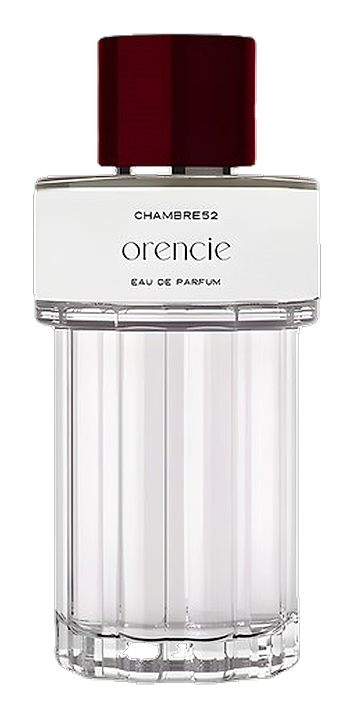
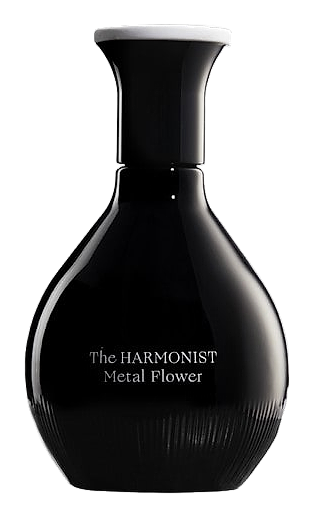
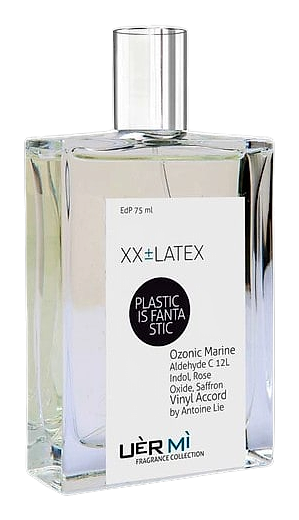
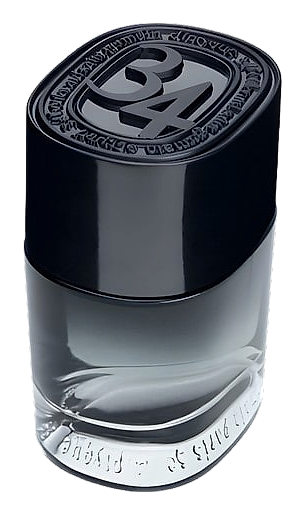
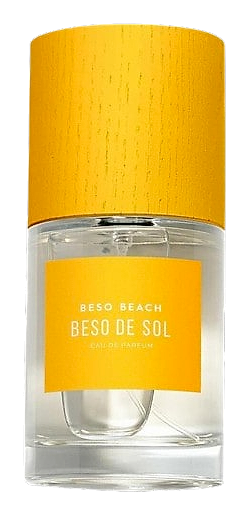
Brands
Brands known for Rose Oxide
Good to know
Questions, answered
The essentials on Rose Oxide in perfumery: how it smells, where it comes from, and how it behaves on skin.
What does Rose Oxide smell like in perfume?
Rose Oxide smells like fresh, green rose petals with a slightly metallic, leafy character. It captures the top-note brightness of Damask rose rather than its full-bodied sweetness, lending fragrances a crisp, natural floral quality.
Why is Rose Oxide used in perfumery?
Rose Oxide provides consistent rose character without relying on seasonal rose harvests. It is highly effective at low concentrations, making it cost-efficient, and allows perfumers to introduce green, fresh rose nuances that can be difficult to achieve with natural extracts alone.
Is Rose Oxide in perfume natural or synthetic?
Rose Oxide is a synthetic aroma chemical. While it occurs naturally in trace concentrations in rose oil, it is commercially produced through photooxygenation of citronellol, ensuring supply stability and olfactory consistency for fragrance manufacturers.
What famous perfumes contain Rose Oxide?
Specific perfume formulations are proprietary and not publicly disclosed by most houses. Rose Oxide is widely used across the fragrance industry, appearing in numerous fine perfumes and functional scent products across price tiers.
Is Rose Oxide a top note, heart note, or base note?
Rose Oxide functions primarily as a heart-to-top note in fragrance construction. Its fresh, green character makes it most impactful in the opening and mid phases of a fragrance, where it introduces bright rose nuances before heavier base notes develop.
What notes pair well with Rose Oxide in perfume?
Rose Oxide pairs naturally with other rose-derived materials like geraniol and citronellol. It also complements green notes, citrus oils, and woody bases, adding lift and natural floral authenticity to rose or chypre-style compositions.
How is Rose Oxide extracted?
Rose Oxide is not extracted from plant material. It is synthesized industrially via photooxygenation of citronellol, a process developed in the mid-20th century to create a stable, reproducible rose-scented ingredient for the fragrance industry.
Is Rose Oxide used in men's or women's fragrances?
Rose Oxide is gender-neutral in application. Its fresh, green character appears in masculine fragrances for its crisp floral quality and equally in feminine perfumes for its authentic rose expression. It is a versatile ingredient across fragrance families.