Metallic Notes
Metallic notes deliver a striking cold sensation, as if your skin just touched polished steel on a winter morning. These avant-garde accords add futuristic clarity and sharp contrast to modern fragrances.

Character
How it smells
The avant-garde accord that makes your nose feel cold.
Aldehydes, the same compounds that give champagne its aroma, also create the cold sensation of metallic notes by directly stimulating trigeminal nerve receptors in the nose.








Origin
France
Metallic notes emerged from the sanitation revolution of the late 19th and early 20th centuries. As copper, iron, and aluminum became common in soap and talcum powder, consumers began associating their cool, sterile scent with cleanliness.
Perfumers noticed this sensory link and started incorporating metallic accords into fragrances. The landmark 1944 release of Bandit by Robert Piguet, created by Germaine Cellier, demonstrated their artistic potential.
This avant-garde approach broke from romantic florals, using cold metallic precision to suggest modernity and sophistication. Since then, metallic notes have become synonymous with contemporary perfumery, representing the fusion of chemistry and sensory innovation.
Wears it best
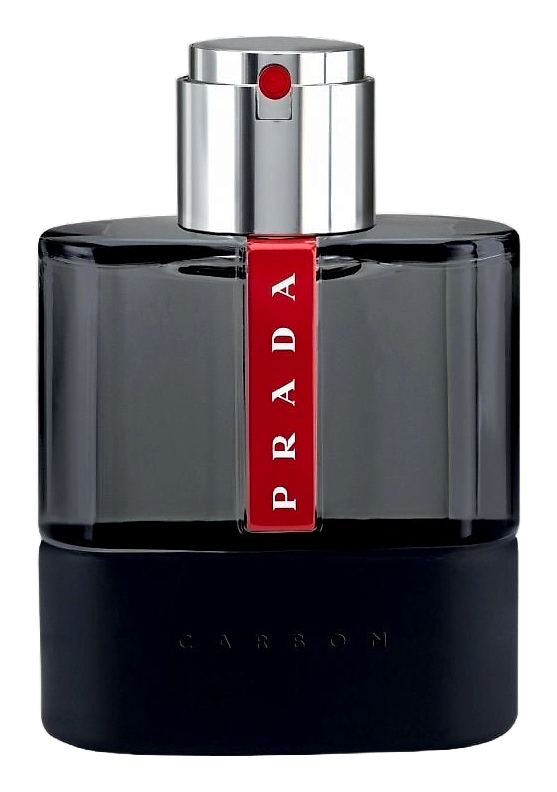
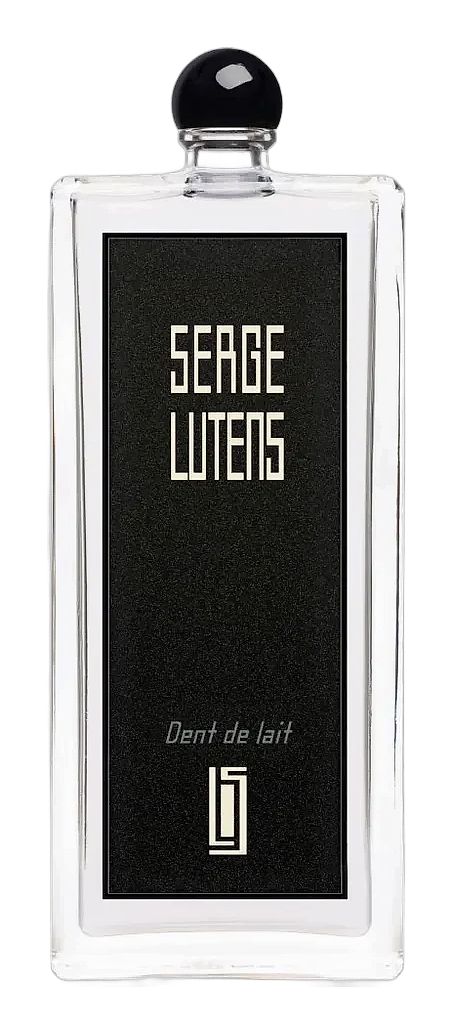
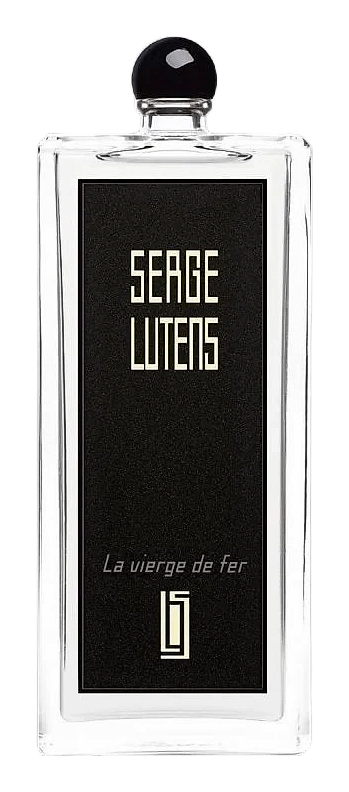
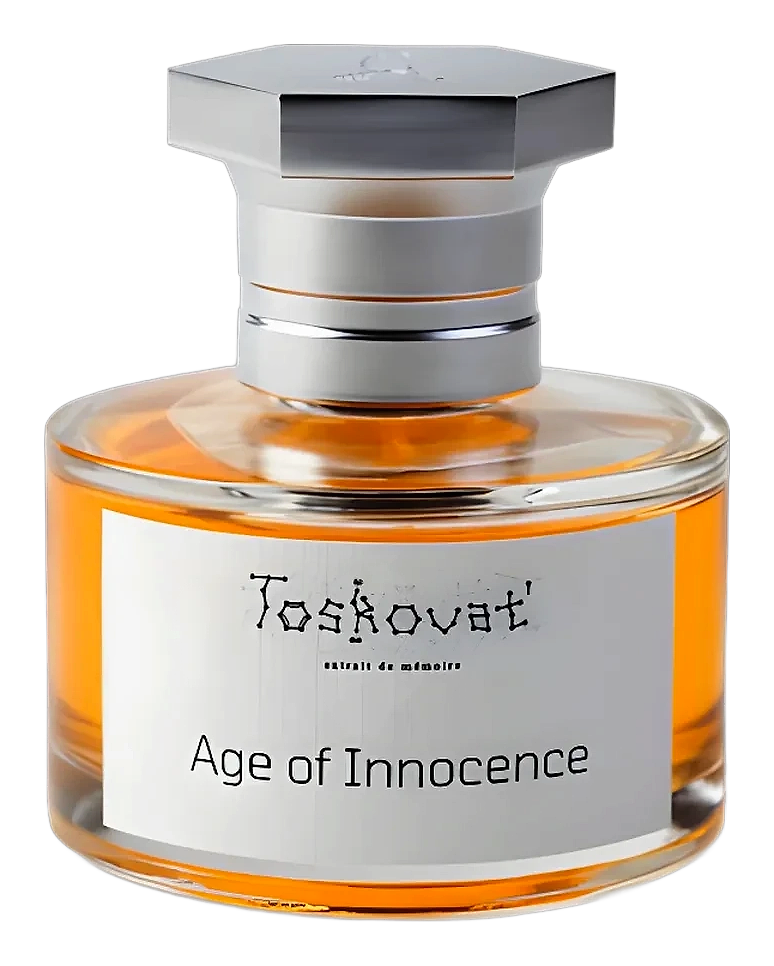
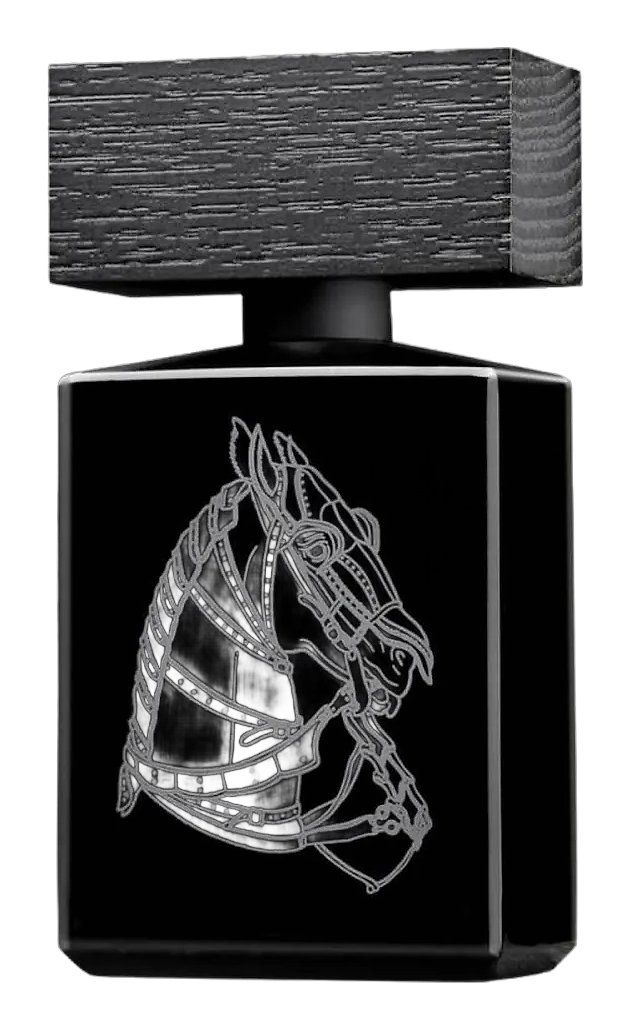
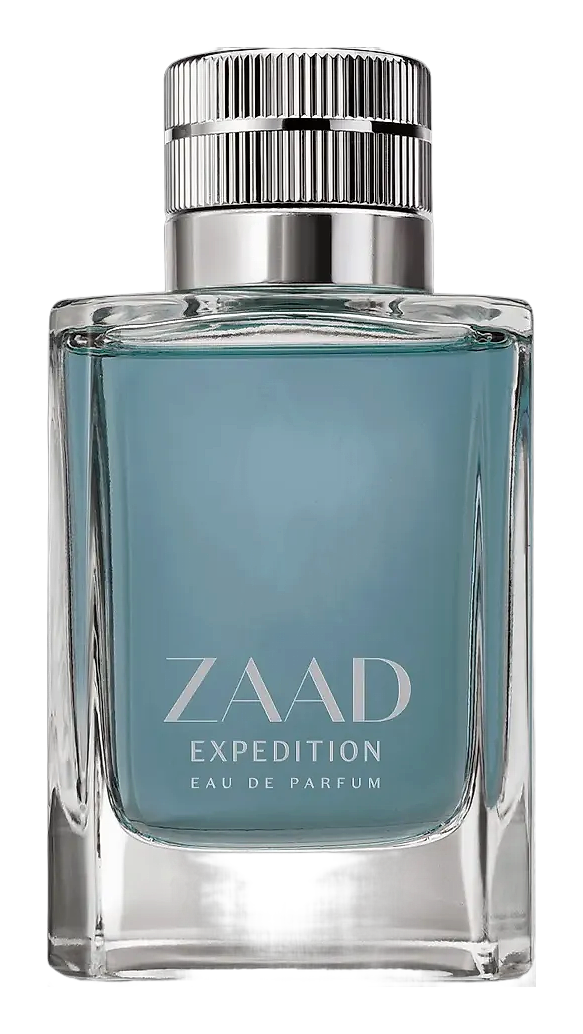
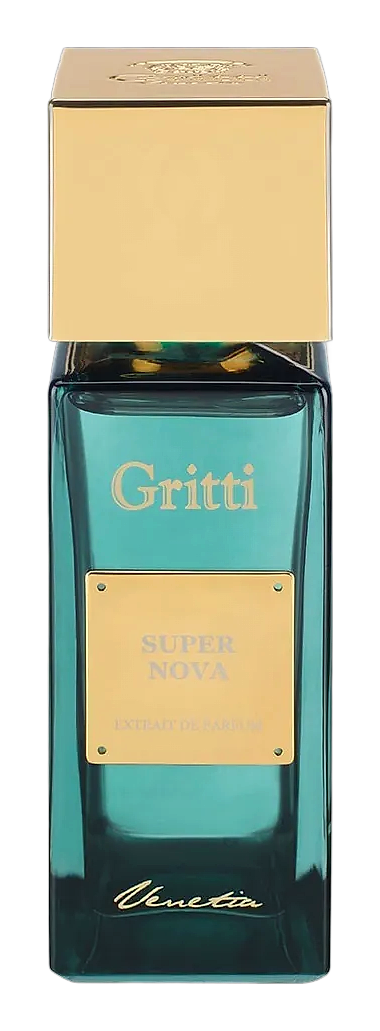
Fragrances featuring Metallic Notes



Brands
Brands known for Metallic Notes
Good to know
Questions, answered
The essentials on Metallic Notes in perfumery: how it smells, where it comes from, and how it behaves on skin.
What causes the cold sensation from metallic notes in perfume?
Metallic notes trigger trigeminal nerve receptors in the nose, the same nerves that detect temperature and pain. Certain aldehydes and ozonic molecules in these synthetic accords directly stimulate these receptors, creating a neurological sensation of cold that mimics touching metal in winter.
Are metallic notes natural or synthetic?
Metallic notes are entirely synthetic. Natural metals have no scent. Perfumers create these accords using engineered aroma chemicals like aldehydes C-12 and C-14, which replicate the cool, sharp sensory experience of metal through precise molecular interactions with skin receptors.
What fragrances made metallic notes famous?
Bandit by Robert Piguet (1944) pioneered artistic use of metallic notes. Germaine Cellier's bold creation demonstrated they belonged in high perfumery, not just hygiene products. This established metallic notes as a signature of avant-garde fragrance design.
How do perfumers combine metallic notes with other ingredients?
Perfumers layer metallic notes with cool aldehydes, ozonic elements, and refined musks to create clean, sophisticated accords. These combinations evoke polished silver, suggesting modern elegance. Pairings with citrus, florals, or woods add complexity and warmth to balance the inherent coldness.
When did metallic notes first appear in perfumery?
Metallic notes entered perfumery during the early 20th-century sanitation revolution. Their cool, sterile character originated in soap and talcum powder containing metal compounds, creating an association with cleanliness that perfumers later exploited for artistic effect.
Do metallic notes work in all fragrance families?
Metallic notes adapt across multiple fragrance families. They appear in aquatic scents for freshness, chypres for edge, orientals for contrast, and modern florals for contemporary character. Their versatility stems from acting as connective tissue between disparate scent categories.
What gives metallic notes their characteristic cold smell?
Specific aldehydes and ozonic molecules create the cold sensation. C-12 and C-14 aldehydes are particularly effective, along with certain salicylates. These compounds generate a sensory experience distinct from actual temperature, purely through neurological response to their molecular structure.
What types of metal sensations can perfumers create synthetically?
Perfumers synthesize various metallic impressions: bright silver, warm copper, industrial iron, and polished aluminum. Each requires different molecular combinations. These synthetic accords capture the essence of metal without containing any actual metal, translating tactile experience into scent.





