The Heritage
The Story of Paolo Gigli
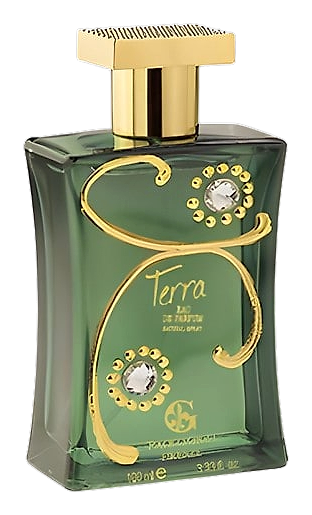
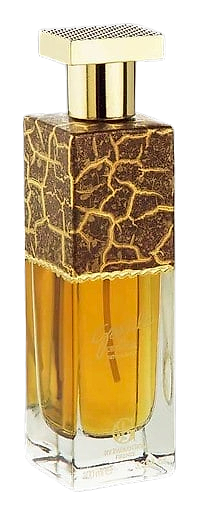
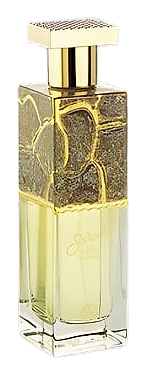
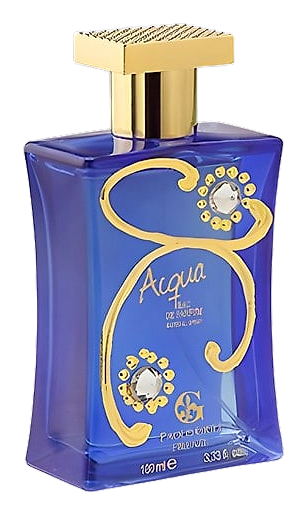
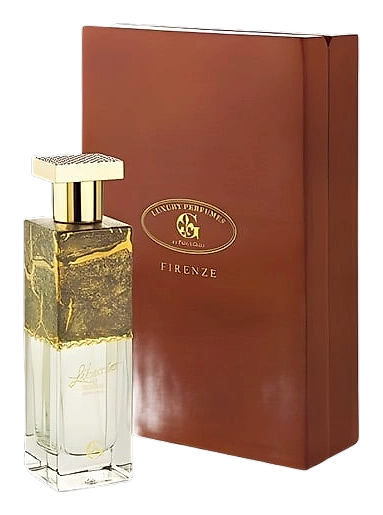
Paolo Gigli is a niche perfume house rooted in the historic heart of Florence, Tuscany. Since its post‑war inception, the brand has built a catalogue that reads like a travel diary of the Mediterranean, from the citrus‑bright SUNCYCLES to the amber‑rich CARAIBI. Its fragrances are housed in hand‑decorated glass bottles that echo Florentine artisan traditions, and each scent is presented as a self‑contained story rather than a fleeting trend. The house balances classic Italian olfactory motifs with contemporary twists, offering collectors a steady stream of limited‑edition releases that emphasize depth, balance, and a quiet sense of place.
Heritage
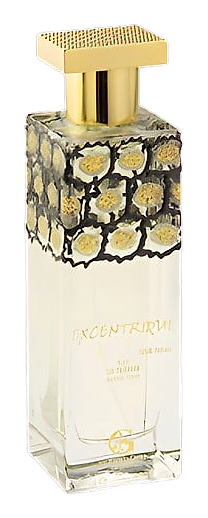
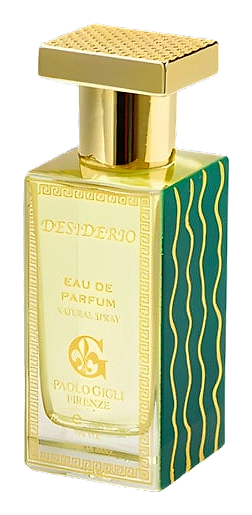
The story of Paolo Gigli begins in 1948, when Nello Gigli opened a modest workshop in Florence to supply the city’s burgeoning demand for fine fragrances after World War II. The fledgling atelier started by blending essential oils for local boutiques, relying on the city’s centuries‑old tradition of glassmaking and perfume craftsmanship. By the 1960s the workshop had expanded its reach beyond Tuscany, supplying bespoke scents to high‑end hotels and private clients across Italy. In the 1990s the brand formalised its identity under the name Paolo Gigli, launching its first cohesive collection, I QUATTRO ELEMENTI, which interpreted earth, water, air, and fire through scent. The early 2000s saw the introduction of the SUNCYCLES line, a series that captured the changing light of the Mediterranean coast. A notable milestone arrived in 2009 with the release of Excentrique pour Homme, a fragrance that combined spicy peppercorn with warm amber, signaling the house’s willingness to explore bold, modern accords while staying true to its artisanal roots. 2016 proved prolific: the brand unveiled Passione, Desiderio, and their respective extracts, each drawing on exotic fruit notes and rich florals, and reinforcing Paolo Gigli’s reputation for seasonal, limited‑edition drops. Throughout its history the house has remained family‑run, preserving the original workshop’s emphasis on hand‑blending, small‑batch production, and meticulous quality control. Today, Paolo Gigli continues to operate from its Florentine atelier, where each new fragrance is still conceived, formulated, and bottled under the watchful eye of the Gigli family, ensuring continuity of the post‑war spirit that sparked the brand’s creation.
Craftsmanship
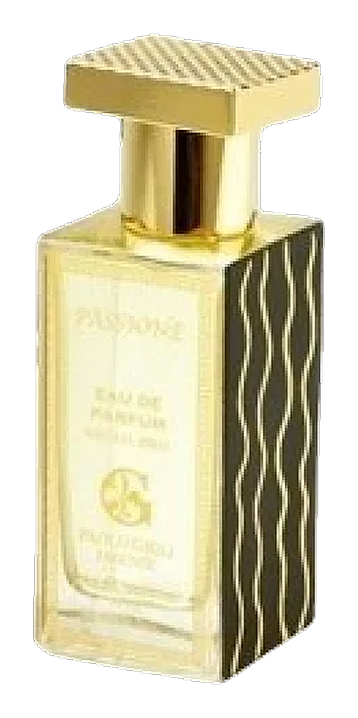
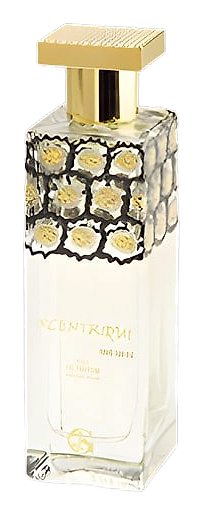
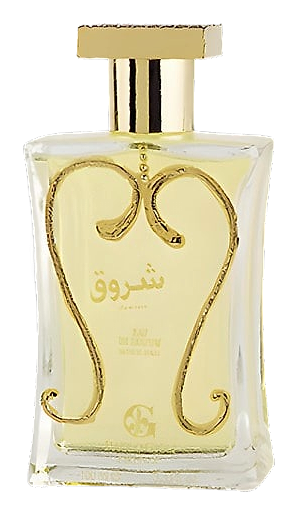
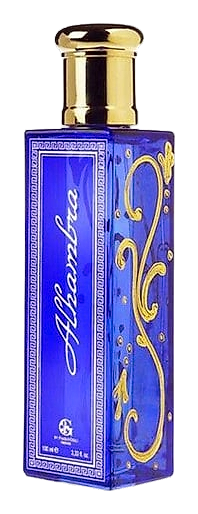
Every Paolo Gigli fragrance originates in the brand’s Florentine laboratory, where a small team of master perfumers and artisans hand‑blend each formula. The process starts with the selection of raw materials, many of which are sourced from regions renowned for quality—Italian bergamot from Calabria, Madagascan vanilla, and Brazilian rosewood, among others. Natural absolutes are extracted using low‑temperature steam distillation to preserve volatile aromatics, while select synthetics are incorporated to achieve stability and longevity without compromising the scent’s integrity. Once the aromatic pyramid is finalized, the blend is transferred to a stainless‑steel vat where it matures for several weeks, allowing the components to harmonise. Quality control includes gas‑chromatography analysis to verify concentration levels and sensory panels that assess balance, projection, and evolution on the skin. Bottles are crafted by local glass artisans who hand‑paint each vessel with motifs inspired by Florentine art; the caps are often forged from brass and engraved with the brand’s monogram. After bottling, each perfume undergoes a final inspection for clarity, seal integrity, and scent fidelity before being sealed in a custom‑designed box. The entire workflow reflects a commitment to small‑batch production: most releases are limited to a few thousand units, ensuring that each bottle receives the same level of attention as a work of art. This meticulous approach has earned the house a reputation among connoisseurs for consistency, depth, and a tactile sense of luxury that extends beyond the fragrance itself.
Design Language
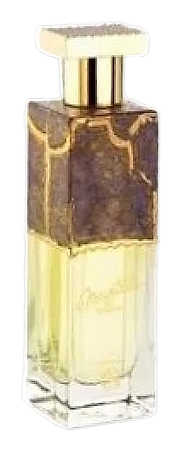
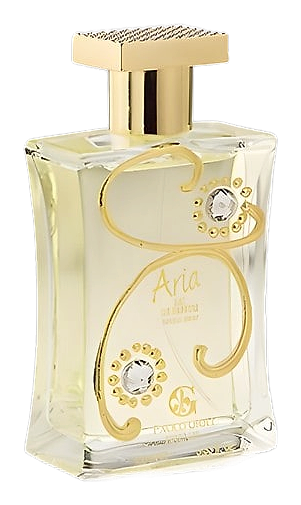
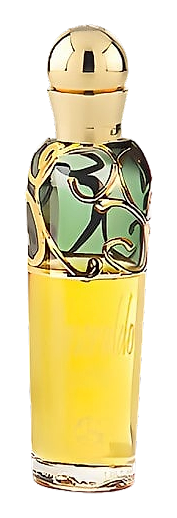
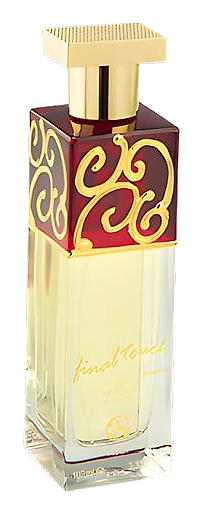
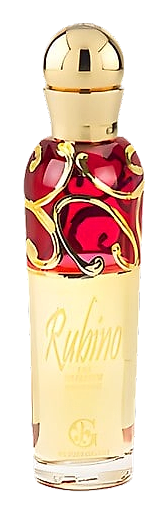
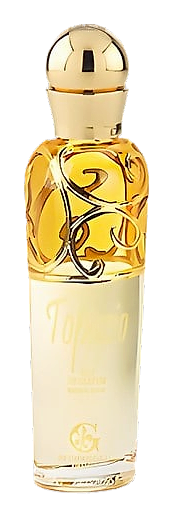
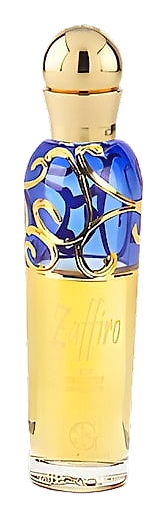
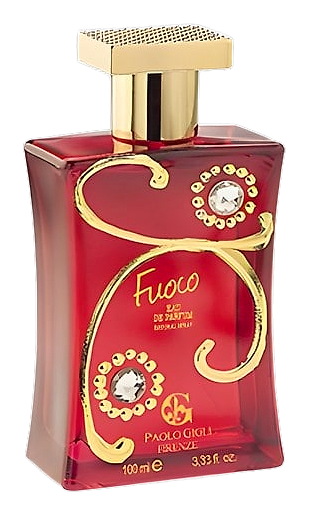
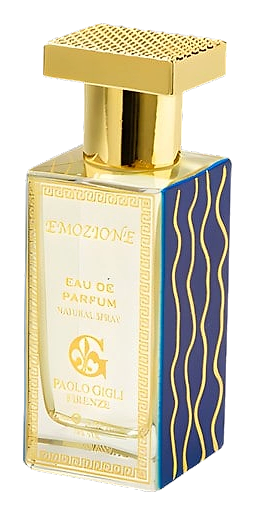
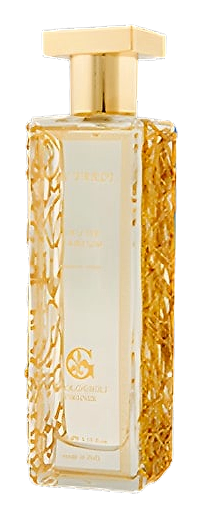
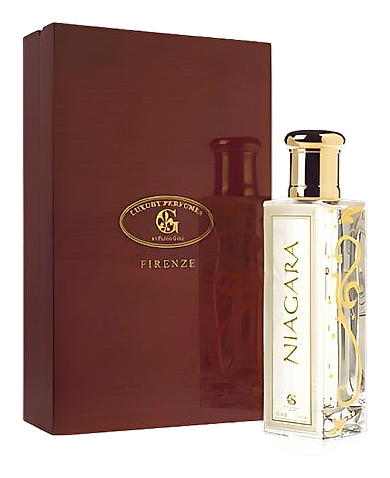
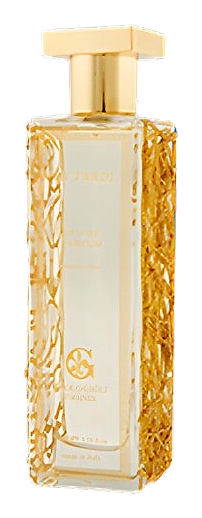
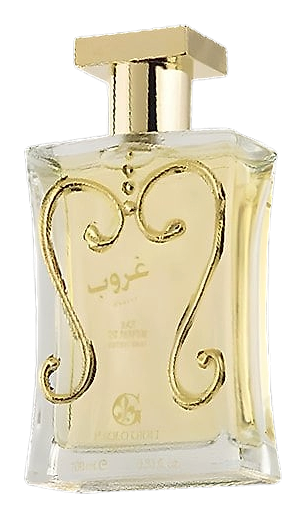
Paolo Gigli’s visual language mirrors the brand’s olfactory storytelling. Bottles are typically clear or lightly tinted glass, allowing the colour of the perfume to become part of the design narrative. Hand‑decorated patterns—often floral vines, geometric motifs, or stylised maps—are applied by skilled artisans using enamel paints that echo the frescoes of Renaissance Florence. The brand’s typography favours a classic serif typeface, paired with subtle gold foil accents that convey elegance without resorting to overt flash. Packaging boxes are crafted from heavyweight matte paper, sometimes featuring embossed details that reference the fragrance’s theme, such as a sun motif for the SUNCYCLES line or a stylised compass for the I QUATTRO ELEMENTI collection. The overall aesthetic is restrained yet expressive, inviting the consumer to explore the scent as they would a curated gallery exhibit. This approach extends to the brand’s retail presence, where boutique displays incorporate natural wood, marble accents, and soft lighting to create an intimate, museum‑like atmosphere that encourages contemplation of each perfume’s story.
Philosophy
Paolo Gigli approaches perfumery as a dialogue between place and memory. The house believes that a scent should evoke a specific moment—a sunrise over the Arno, a night market in the Caribbean, or the quiet of a Tuscan garden at dusk. This philosophy translates into a creative process that begins with a narrative sketch, often inspired by travel, literature, or regional folklore, before any ingredient is selected. The brand values transparency in sourcing, favoring natural extracts and responsibly harvested raw materials, yet it does not shy away from synthetic aromachemicals when they serve a precise artistic purpose. Sustainability is woven into the workflow: ingredients are procured from certified farms, and waste from the blending process is minimized through recycling programs in the Florence workshop. Paolo Gigli also emphasizes the personal connection between creator and wearer; many fragrances are released in limited runs, encouraging collectors to experience each scent as a fleeting, intimate encounter rather than a mass‑produced commodity. The house’s editorial voice, reflected in its product notes, avoids hyperbole, instead offering clear, sensory‑rich descriptions that guide the wearer’s imagination.
Key Milestones
1948
Nello Gigli opens a small perfume workshop in Florence, marking the brand’s founding.
1990
Launch of the I QUATTRO ELEMENTI collection, the first cohesive line under the Paolo Gigli name.
2009
Excentrique pour Homme debuts, showcasing a modern, spicy‑amber composition.
2016
Three major releases—Passione, Desiderio, and their extracts—expand the brand’s seasonal portfolio.
2022
Introduction of the CARAIBI collection, inspired by Caribbean flora and marine notes.
At a Glance
Brand profile snapshot
Origin
Italy
Founded
1948
Heritage
78
Years active
Collection
3
Fragrances released
Avg Rating
4.2
Community sentiment
Release Rhythm


