The Story
Why it exists.
The beginning
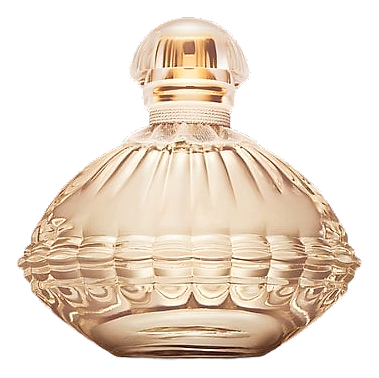
Pretty Swan landed in 2012, composed by Bernard Ellena for Oriflame. The name carries the metaphor directly: a swan moves with effortlessness that belies the constant motion beneath the water. Ellena built this fragrance in that same spirit, a composition that appears delicate but holds itself with real confidence. The brief, as it reads in the brand's own language, is about 'effortless beauty' and 'the strength and fragility of a delicate bird in flight.' Florals that don't fidget. Warmth that stays close.
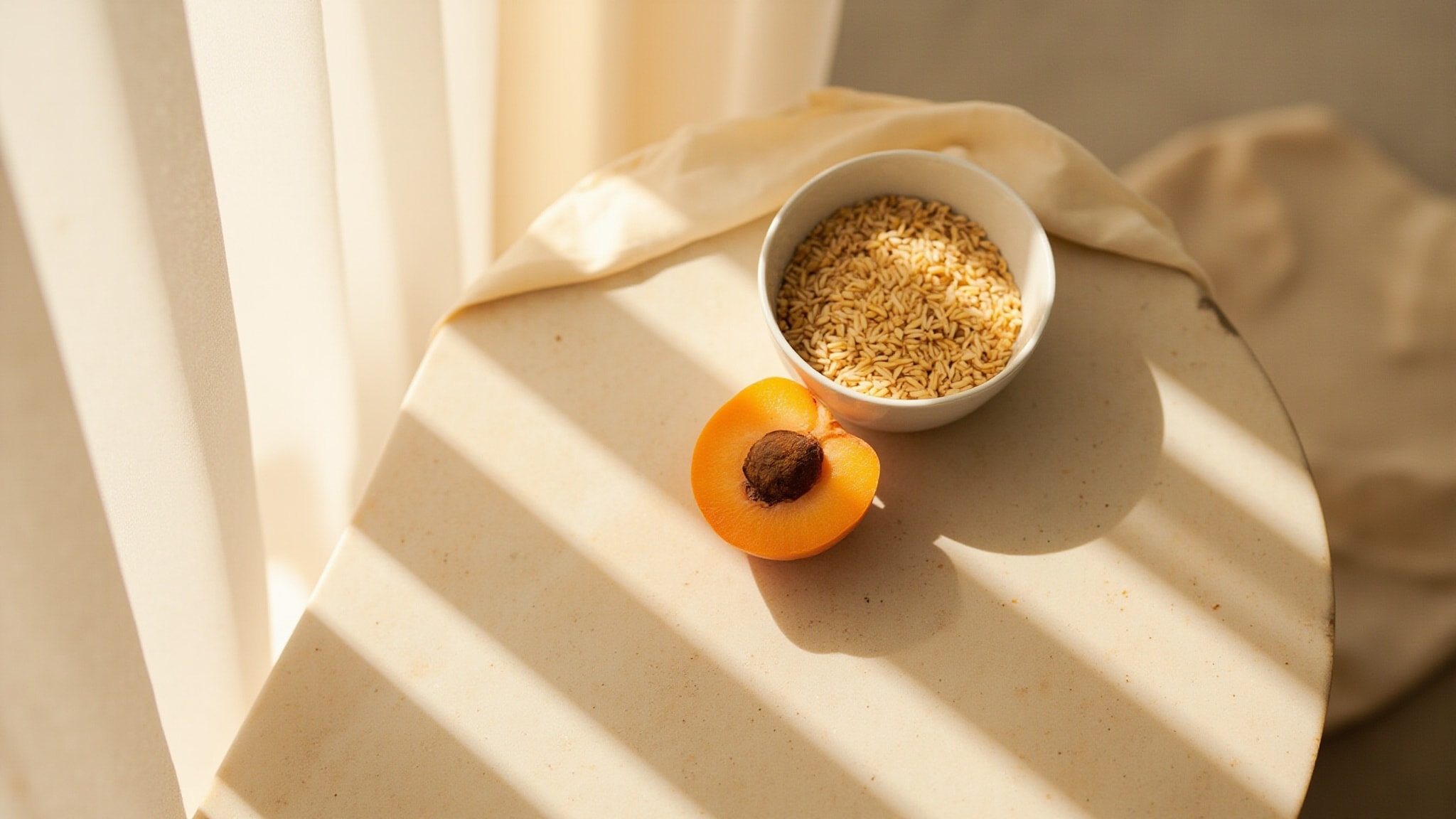
The most interesting choice in this formula is the rice and vanilla orchid pairing in the base. Rice isn't a common starring note in mainstream fragrance, it's usually folded into the skin accord. Here, it anchors the composition with something simultaneously starchy and clean, while vanilla orchid adds a warmer, more complex sweetness than standard vanilla alone. The result is a powdery floral that doesn't go talc-box. There's an apricot note in the heart that brings a slight tartness beneath the jasmine and heliotrope, it keeps the sweetness honest, stops it from becoming syrupy. The drydown achieves something quietly rare in accessible fragrance: creaminess without cloying.
The evolution
The opening is pink pepper first, a tiny prick of spice that wakes things up before mandarin and bergamot arrive with clean citrus brightness. This phase lasts maybe twenty minutes, and it's the most 'performance' the fragrance offers. Then the florals take over. Jasmine and heliotrope move in together, with apricot floating underneath as a soft sweetness that feels natural rather than constructed. This is the longest phase, lasting a few hours on most skin types. The drydown is where this fragrance earns its name. The powder note rises as everything else settles, not in a heavy way, but like the settling of soft feathers. Rice and vanilla orchid ground it. Musk keeps it skin-close. You smell like you, but warmed.
Cultural impact
Pretty Swan launched in 2012 as part of Oriflame's direct-selling model, which brought fragrances to communities across Europe and emerging markets through independent consultants rather than traditional retail counters. This distribution approach democratized fragrance access, introducing scents like Pretty Swan into households that might otherwise never encounter niche or premium perfumes. The powdery-vanilla-floral profile resonated with consumers seeking subtle, feminine scents in markets where approachable elegance trumped bold statement fragrances.