The Story
Why it exists.
The beginning
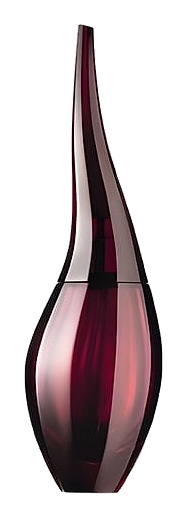
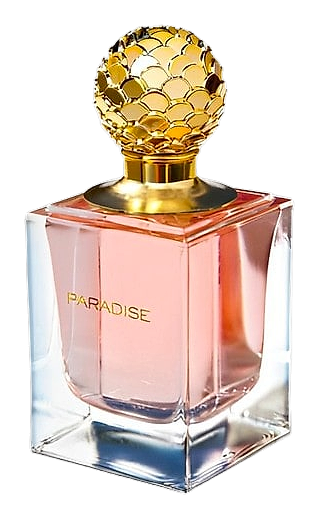
Paradise arrived in December 2011 from Fabrice Pellegrin, the French nose behind several Oriflame releases in the early 2010s. The brief was clear: build a fragrance for a woman who stands out, not by being loud, but by being certain. Pellegrin worked with Oriflame's in-house lab, blending the brand's approach to accessible quality with his own structural precision. The result is a scent that opens sharp and ends warm, a contradiction held together by cashmere wood and musk.
What makes Paradise unusual in Oriflame's catalog is the dual-pepper opening. Most floral-oriental compositions soften immediately; this one commits to the spice for the first twenty minutes, letting pink and black pepper arrive together in a way that reads almost cologne-like before the florals arrive. The cashmere wood in the base is a specific choice, not warm amber, not heavy sandalwood, but something softer, almost fabric-like. It's the note that makes the drydown feel worn rather than applied.
The evolution
The opening hits like a cold room warming up, pepper and bergamot together, sharp but clean. Freesia arrives within minutes, softening the edges without removing them. The heart is where Paradise earns its name: rose and peony together, white florals without the usual cloying quality, a garden that's been rained on recently. That phase holds for two to three hours before the cashmere wood takes over, and the transition is notable, the florals don't fade so much as deepen, settling into something warmer and closer to the skin. The musk arrives last, intimate and persistent, still detectable eight hours later on the right skin. On fabric, it lasts until the next wash.
Cultural impact
Paradise developed a quiet following among wearers who appreciated its contradiction, a fragrance that opens like a statement and ends like a conversation. The dual-pepper opening was polarizing by design, and the community response reflects that: those who loved it cite the longevity and the way the florals develop, while those who didn't care for it point to the initial sharpness as the reason. It's been discontinued, which has only deepened the appeal for those who still have it.