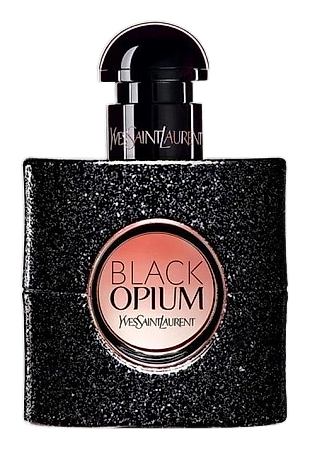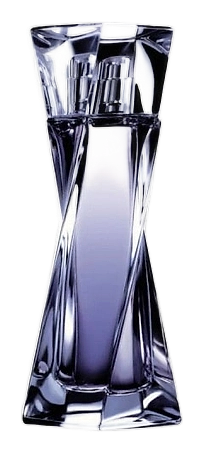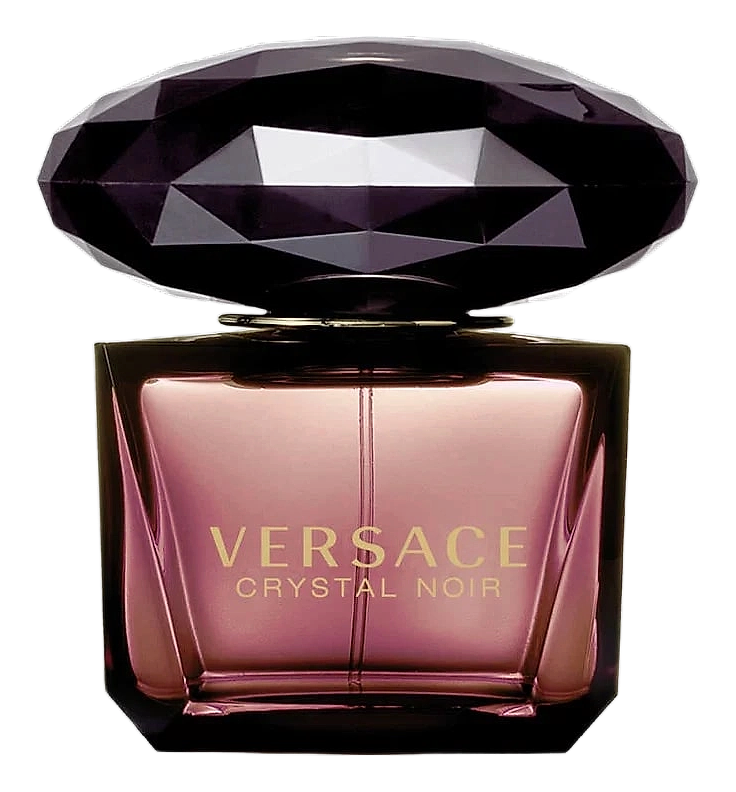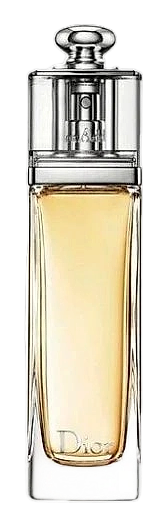
The Story
Why it exists.
The beginning
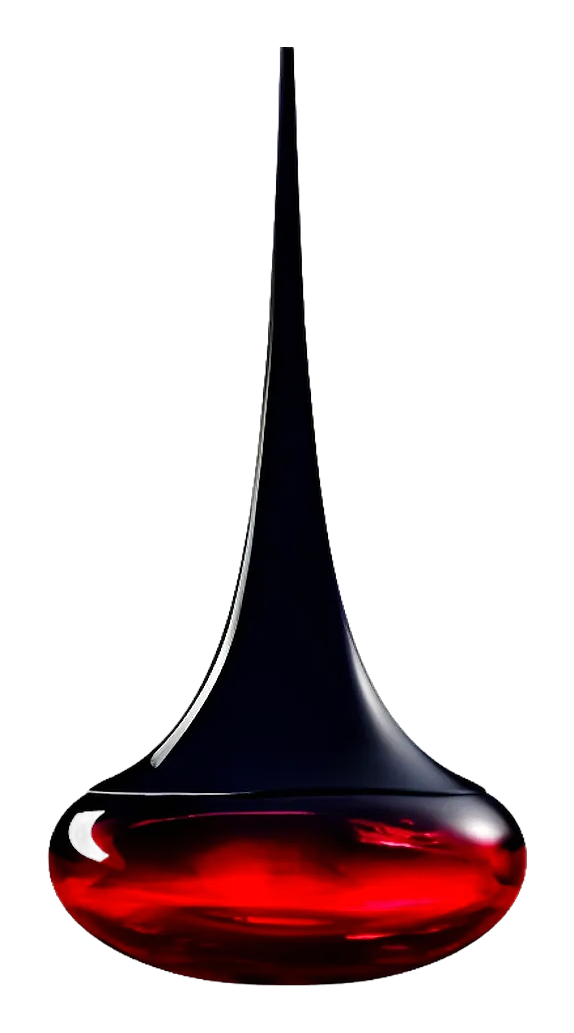
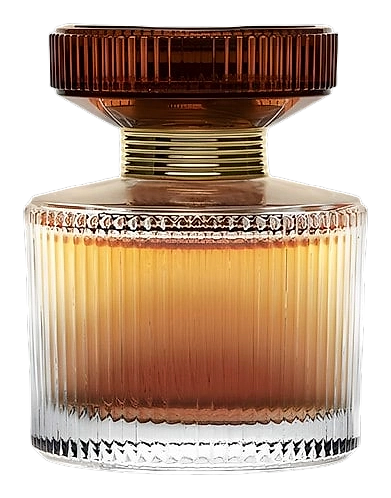
Amber Elixir arrived in 2009 from Oriflame's collaboration with Vincent Schaller, a Swiss perfumer whose work spans mass and artisan markets. The brief was amber as protagonist, not background player, not accord additive, but the reason the bottle exists. Schaller built outward from that golden resin, layering mandarin and blackcurrant at the opening for a fruity brightness that prevents the composition from collapsing into pure sweetness. The heart adds heliotrope and peony, florals that read more as powder than petals. The name says elixir for a reason, this was meant to feel like something applied, not sprayed. Warmth as ritual, not decoration.
What makes the structure interesting is the tension between gourmand and woody. Almond and amber pull toward edible sweetness, marzipan, almost amaretto, while sandalwood and musk anchor everything to skin. The heliotrope does the real work here: it translates floral into powder without any of the typical soapiness. Peony adds body but not brightness. On dry skin, this composition leans harder into warmth than it might on oilier types, which is worth knowing before you buy. The 6-8 hour longevity is consistent with the ambery base doing its job: ambergris and labdanum are resins that fix, and this structure uses that property deliberately.
The evolution
The opening arrives quickly, mandarin and blackcurrant give you 10, maybe 15 minutes of tart fruit before the almond introduces itself. That's when the composition shifts from bright to warm, and there's no going back. The heart phase, where heliotrope and peony arrive, is where most wearers find their favorite moment: powdery without being dusty, sweet without being juvenile. This phase lasts the longest, 3 to 4 hours on most skin. The drydown is amber and sandalwood, with musk doing its quiet work underneath. This is when the scent becomes intimate, close, something the wearer notices more than anyone else. On fabric, it can linger into the next day.
Cultural impact
Amber Elixir occupies a specific space in the 2009 fragrance landscape: between the high-gourmand trend of the early 2000s and the clean-movement backlash that followed. It skews warm, sweet, and powdery, which made it divisive, some wearers found it too sweet for daily office wear, others found it exactly right for evening. The community compares it favorably to Dior Hypnotic Poison and Calvin Klein Euphoria, positioning it as an accessible alternative to those heavier, more aggressive orientals. What Oriflame's consultants discovered is that this scent performs well in person-to-person settings, intimate spaces, close conversations, environments where the wearer is more important than the fragrance.