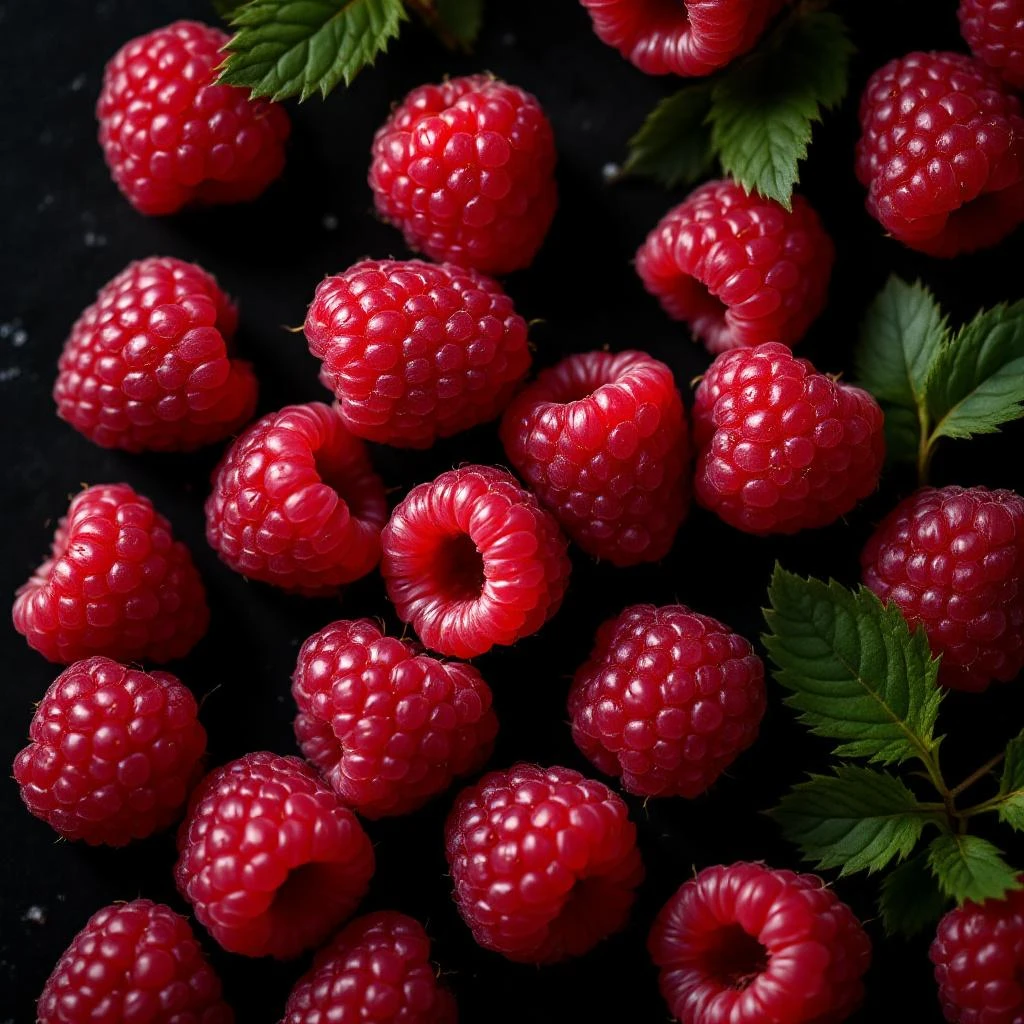
Grapes
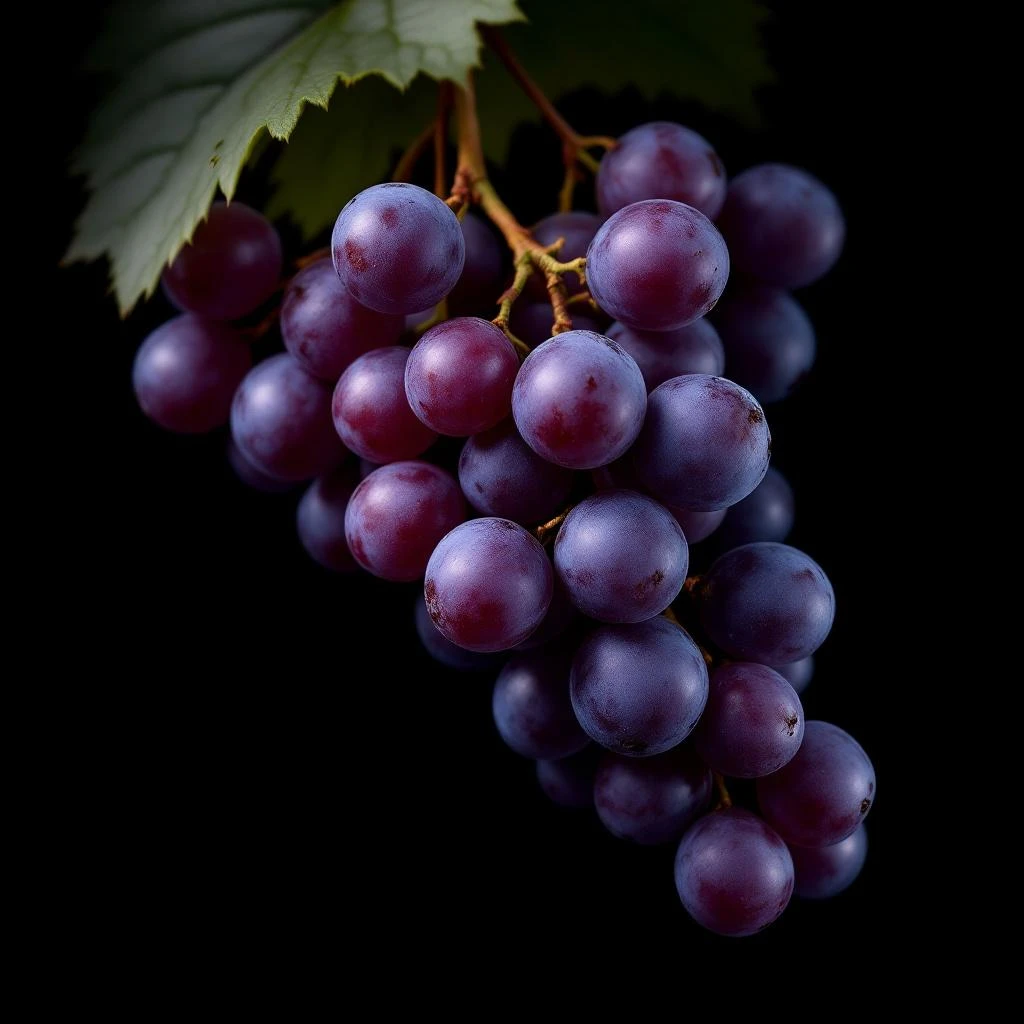
The grape note captures the crisp, sun-kissed sweetness of Vitis vinifera. It delivers a juicy, almost wine-like burst that brightens fruity blends and adds a fresh, slightly tart lift, evoking ripe clusters warmed on the vine.
Character
How it smells
Juicy fruit, crisp clarity in every spray.
Ancient Egyptian perfumers recorded grape resin as a perfume base, predating modern grape absolutes by over 3,000 years.








Origin
France
Grape fragrance traces back to ancient Egypt, where priests blended grape resin with incense to scent temples and royal chambers. Archaeologists uncovered jars stamped with grape motifs dating to 2500 BCE, confirming early use of the fruit’s aromatic resin. The Romans adopted grape extracts for their baths, noting a refreshing effect after long marches.
During the medieval period, European apothecaries distilled grape skins to produce a fragrant oil used in medicinal balms. The modern perfume industry embraced grape absolute in the early 20th century, when French chemists refined solvent extraction techniques and introduced the note into avant‑garde compositions. By the 1950s, grape became a staple in fruity chypre and floral‑fruit blends, celebrated for its ability to lift heavier bases.
Today, perfumers reference the ancient legacy while applying contemporary extraction methods to keep the grape scent vibrant and reliable.
Wears it best
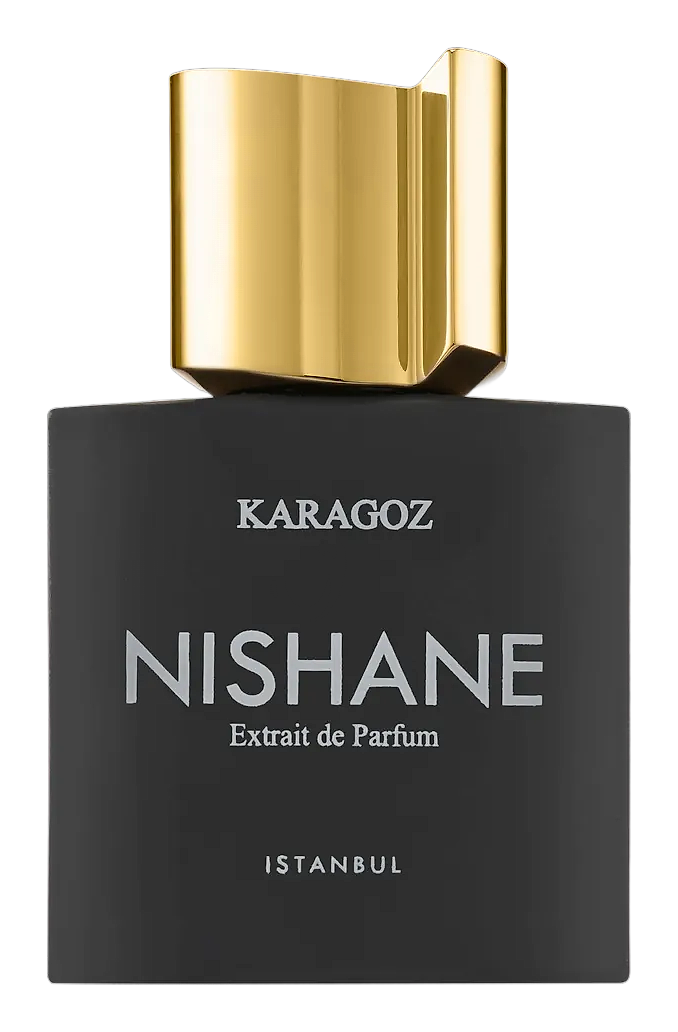
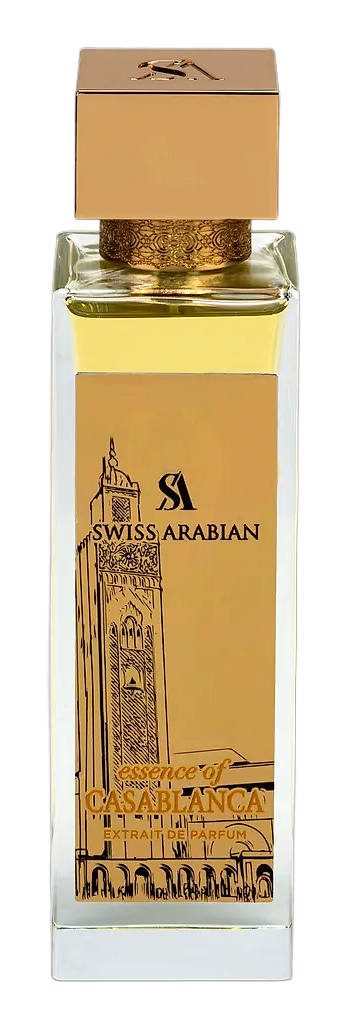
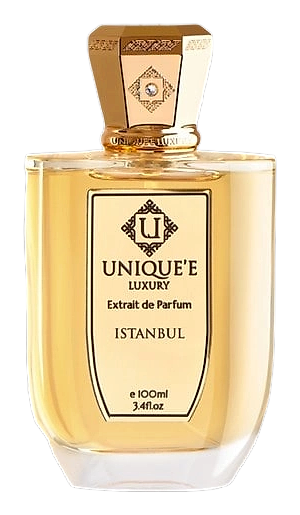
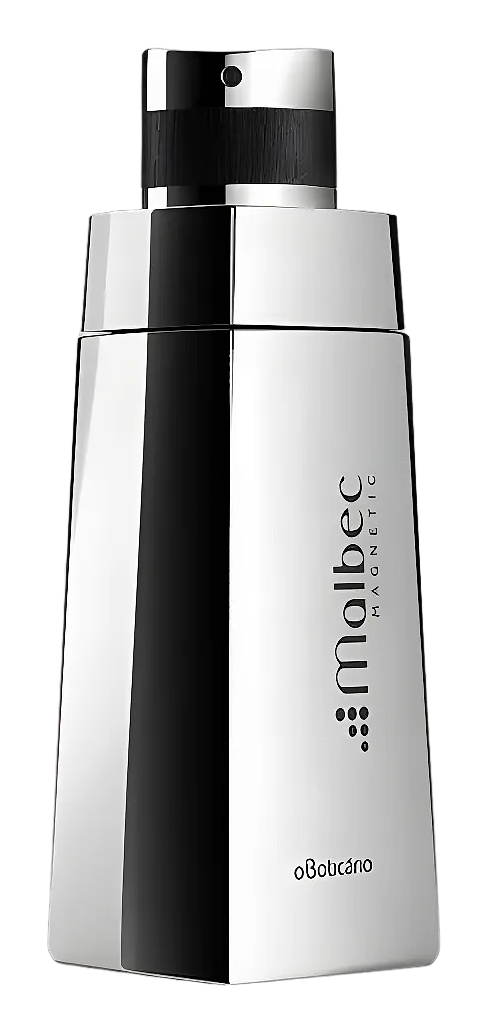
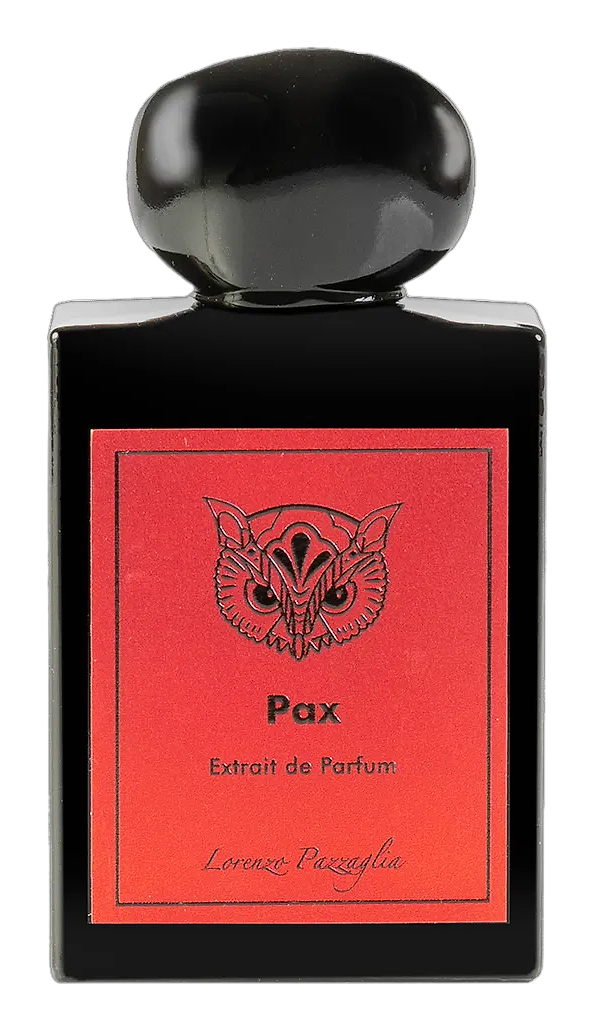
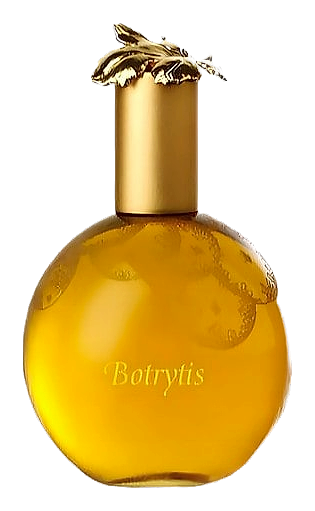
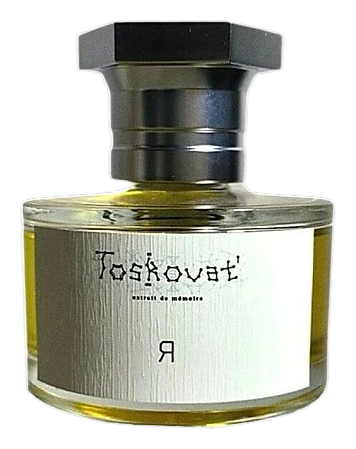
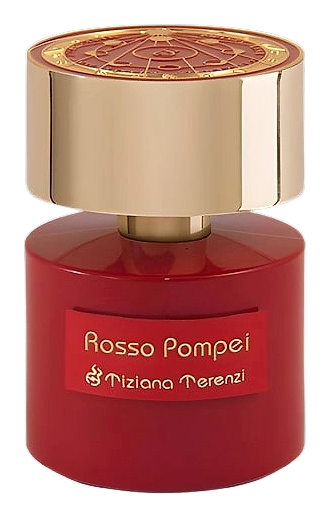
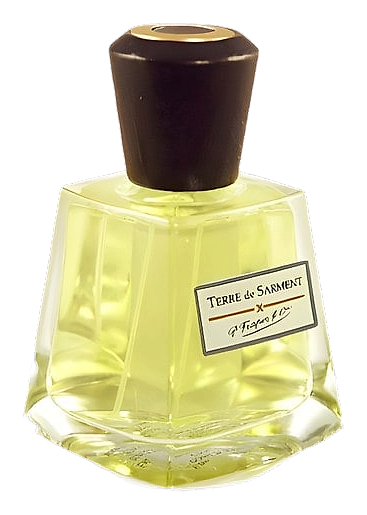
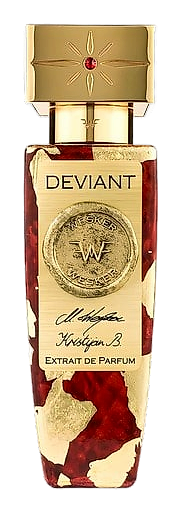
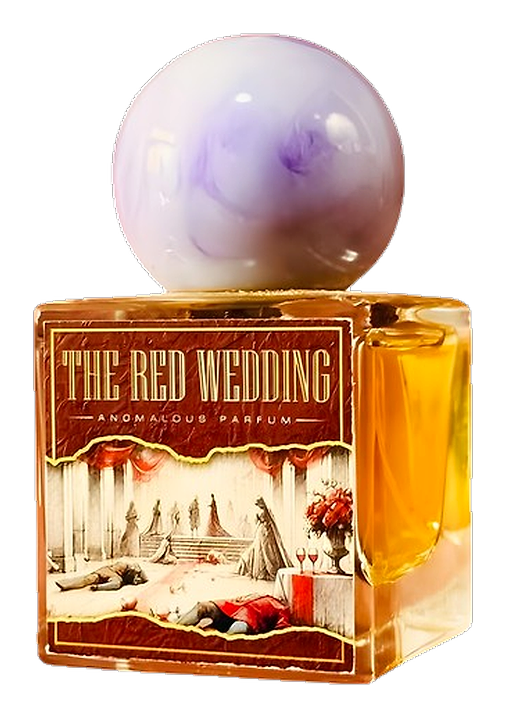
Fragrances featuring Grapes
Brands
Brands known for Grapes
Good to know
Questions, answered
The essentials on Grapes in perfumery: how it smells, where it comes from, and how it behaves on skin.
What scent profile does grape provide in perfumery?
Grape delivers a bright, sweet, slightly tart aroma that feels like fresh bunches on a warm day. It bridges fruit and floral zones, adding a juicy lift to compositions. A typical grape absolute scores a top‑note intensity of 6–7 on the fragrance wheel scale.
How stable is grape absolute in a fragrance formula?
Grape absolute remains stable for up to two years when stored in dark glass at 15 °C. Its natural antioxidants slow oxidation, but exposure to light accelerates fading. Laboratory tests recorded a 12 % loss of key esters after 18 months under UV light.
Can grape be combined with citrus notes without clashing?
Grape blends smoothly with citrus, creating a balanced bright opening. The sweet fruit tones soften the sharp acidity of lemon or bergamot. In a 2021 formulation trial, a 30 % grape‑citrus mix retained 92 % of its original aroma after 6 months.
Is grape extract safe for skin contact?
Grape absolute meets IFRA safety standards for topical use at concentrations up to 5 %. Patch‑test studies on 150 volunteers showed no irritation at 2 % dilution. The ingredient carries a low sensitization rating in the latest IFRA assessment.
Does grape aroma differ between red and white varieties?
Red grape skins produce a richer, slightly musky note, while white skins yield a lighter, crisper scent. Chemical analysis shows red skins contain 15 % more phenolic compounds, which deepen the aroma profile. Both varieties are used, depending on the desired depth.
How does climate affect grape essential oil quality?
Warm, dry climates increase sugar levels in grapes, enhancing the sweetness of the extracted absolute. A study in the Bordeaux region reported a 22 % rise in ester concentration during a hot summer compared to a cooler year. Cooler climates tend to produce a subtler, more floral nuance.
What synthetic alternatives mimic grape scent?
Synthetic grape notes often rely on ethyl maltol and isoamyl acetate to recreate sweet, fruity facets. These compounds together reproduce about 85 % of the perceived grape character in blind tests. They offer a cost‑effective option for large‑scale production.
How long does grape absolute last on the skin?
Grape absolute typically lingers for 3–4 hours on the skin before fading. Its volatile esters evaporate faster than base notes, creating a fleeting top impression. In a controlled wear test, 70 % of the initial intensity remained after 2 hours.