Vanilla Orchid
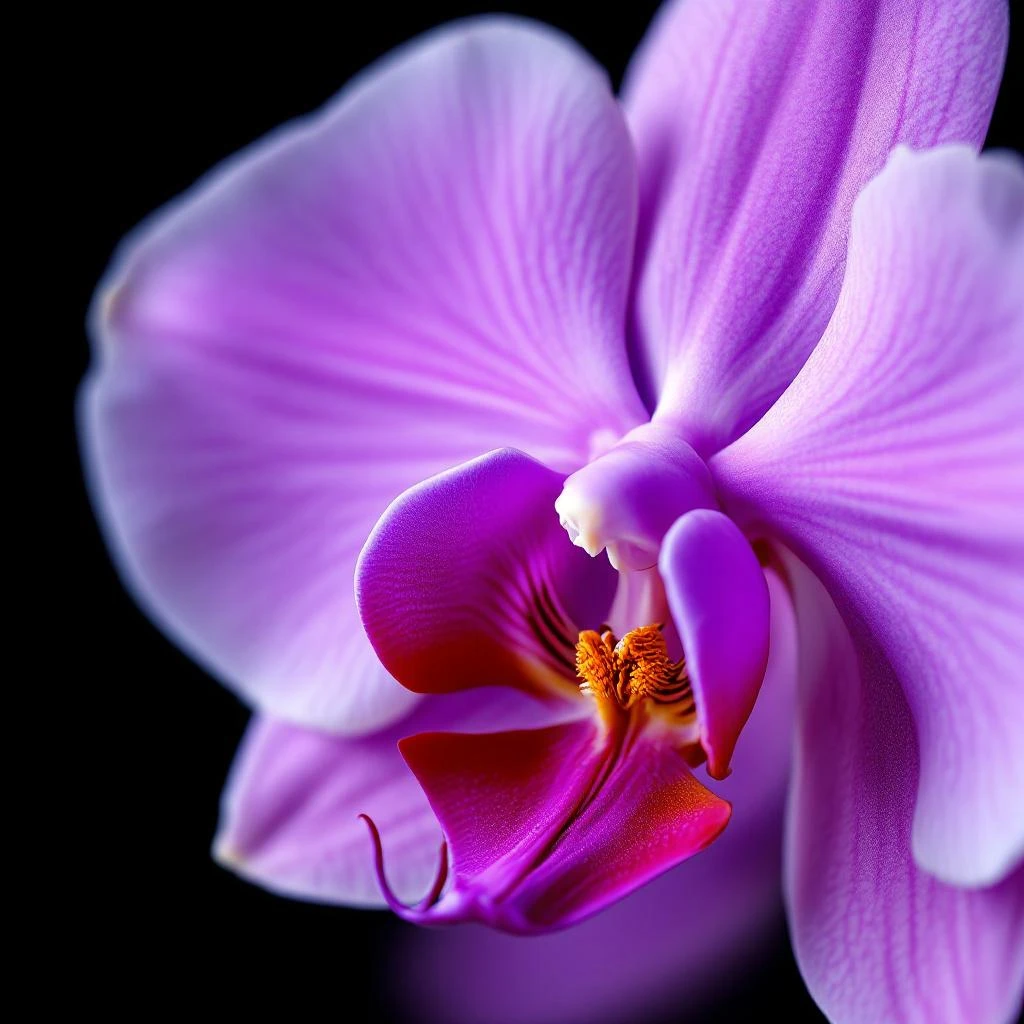
From orchid to pod, vanilla's journey spans continents and centuries. This tropical vine yields one of perfumery's most beloved materials, a warm sweetness that anchors countless fragrances.
Character
How it smells
The orchid that learned to travel
Every vanilla flower must be hand-pollinated. Without this step, no pod forms. The technique was invented in 1841 by a twelve-year-old boy named Edmond Albius on Reunion Island.







Origin
Mexico
Vanilla planifolia originated in the Amazon basin, where Indigenous peoples cultivated it long before European contact. Spanish explorers encountered it in Mesoamerica, where the Aztecs used it to flavor chocolate drinks. The Spanish crown prized vanilla as a luxury import, yet European attempts to grow the plant elsewhere failed repeatedly.
The flowers refused to set fruit without pollinators absent from the new territories. In 1841, Edmond Albius, an enslaved twelve-year-old on Reunion Island, devised the hand-pollination method that unlocked vanilla cultivation worldwide. His simple stick technique spread to Mauritius, Seychelles, and eventually Madagascar, transforming those islands into vanilla powerhouses.
By the twentieth century, vanilla had become a staple of Western cuisine and perfumery, its warm, creamy character appearing in everything from edible applications to fine fragrances.
Wears it best
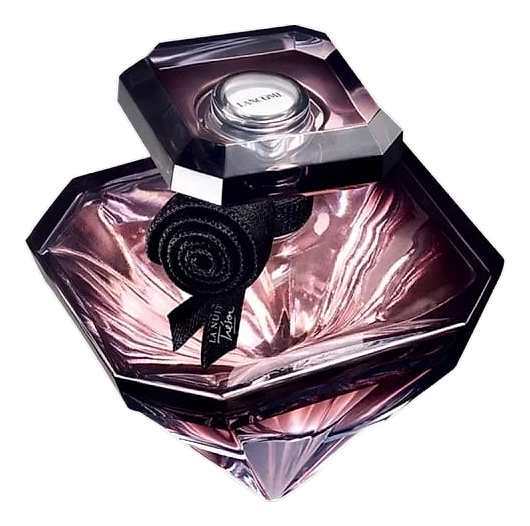
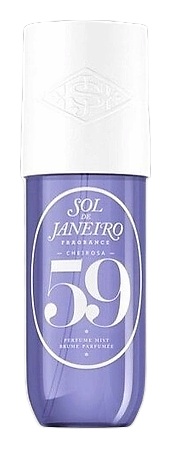
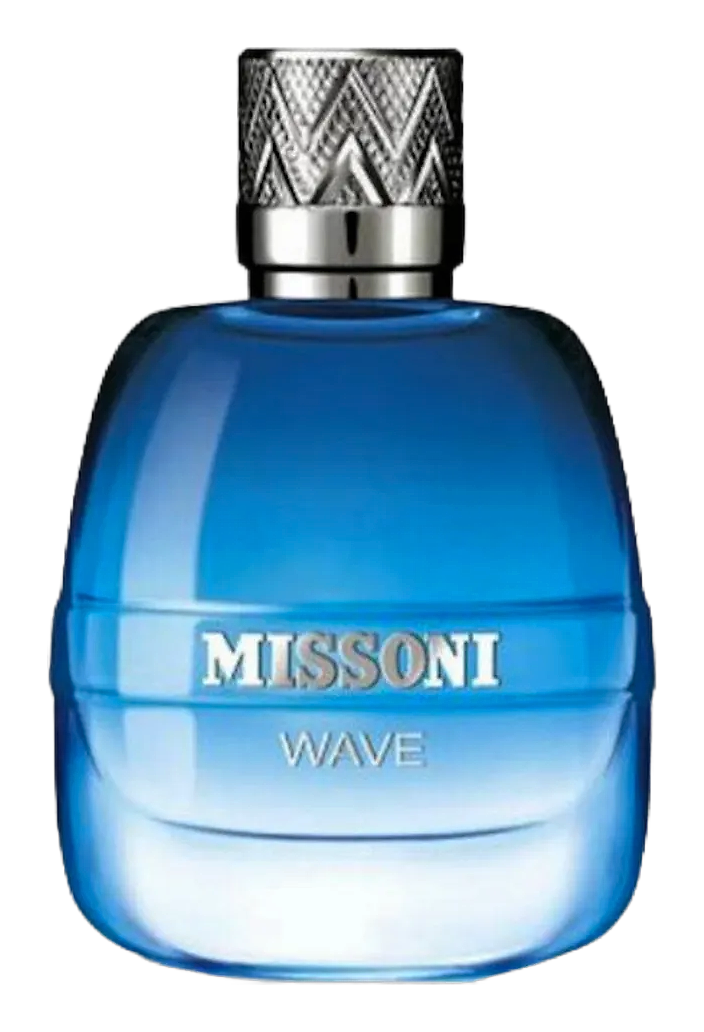
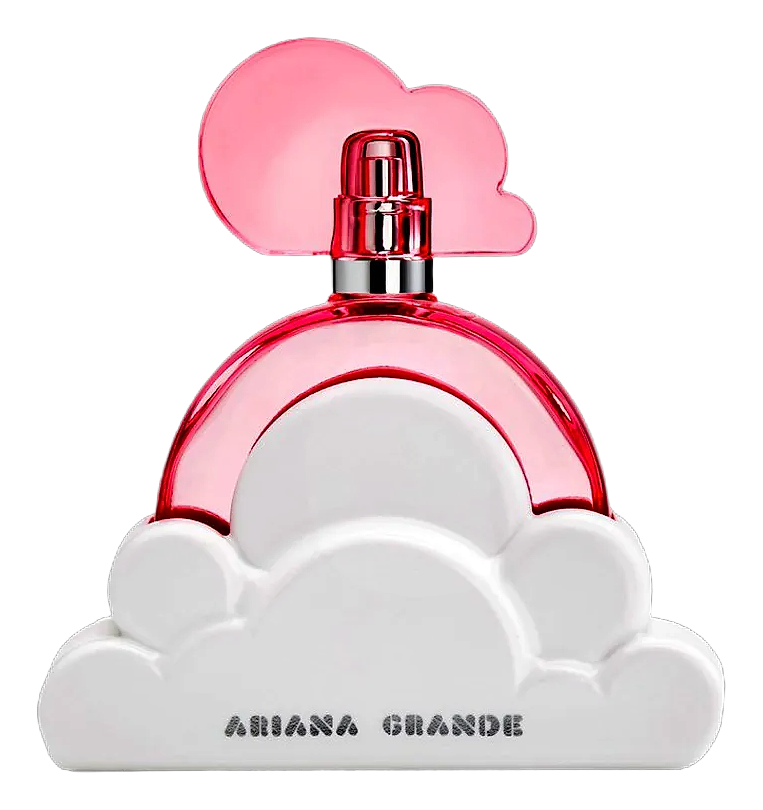
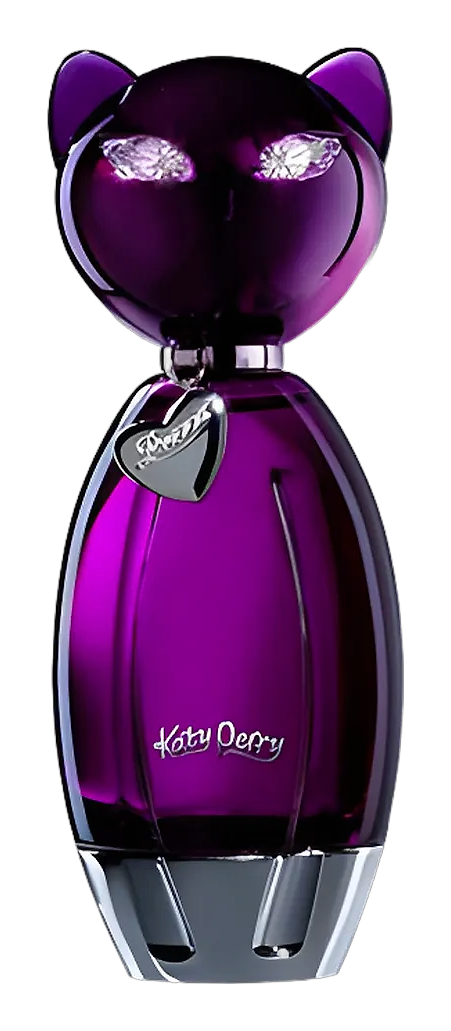
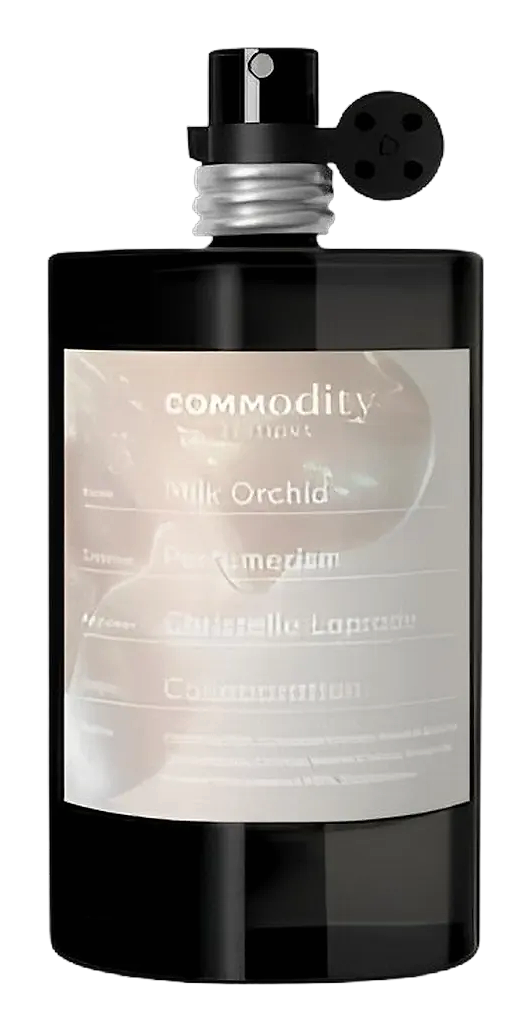
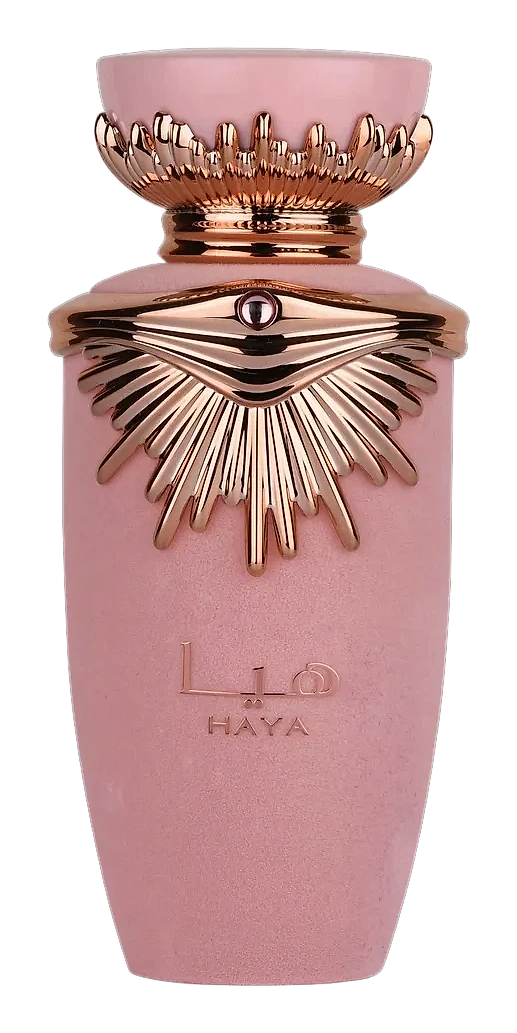
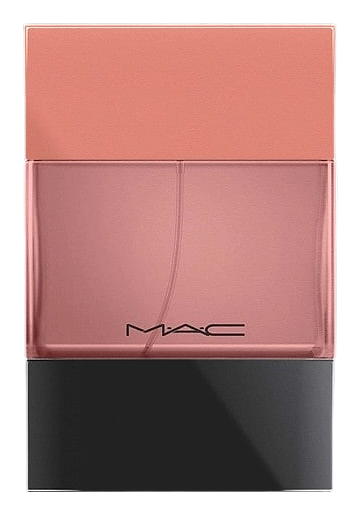
Fragrances featuring Vanilla Orchid

Brands
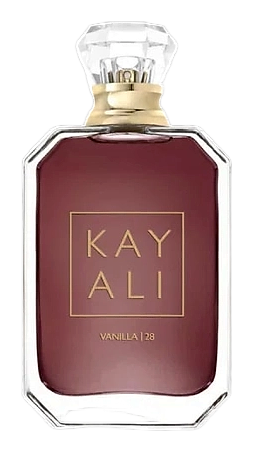
Brands known for Vanilla Orchid
Good to know
Questions, answered
The essentials on Vanilla Orchid in perfumery: how it smells, where it comes from, and how it behaves on skin.
Why must vanilla orchids be hand-pollinated?
The vanilla orchid's pollinator, a native Melipona bee, exists only in Mexico. Without this specific bee, flowers fall without setting fruit. Hand pollination using a wooden stick transfers pollen between flower parts, enabling pod development.
Where does the best vanilla for perfumery come from?
Madagascar produces about 80% of the world's vanilla, and its Bourbon vanilla carries the benchmark scent profile. Indonesian and Tahitian vanillas offer different aromatic characteristics that perfumers seek for specific fragrance constructions.
What makes Bourbon vanilla different?
Bourbon vanilla refers to vanilla from Madagascar, Comoros, and Reunion, named after the former Bourbon dynasty. These pods deliver high vanillin content with creamy, slightly smoky notes that perfumers consider the standard for warm, sweet fragrance bases.
How long does vanilla curing take?
Curing a vanilla pod from harvest to market-ready condition takes four to six months. The process involves blanching, sweating in wool blankets, and repeated sun-drying sessions. This extended treatment develops the aromatic compounds that make vanilla so valuable.
When do vanilla pods ripen?
Vanilla pods ripen nine to eleven months after pollination, typically between March and July. Harvesters must pick pods at the right stage of ripeness; too early compromises aroma quality, and too late risks splitting and fermentation.
How does geography affect vanilla's scent?
Soil composition, rainfall patterns, and altitude all shape vanilla's aromatic profile. Hawaiian volcanic soil produces mineral-rich pods. Madagascan lowland crops develop the classic creamy sweetness. Tahitian varieties grown at altitude express lighter, more floral characteristics.
How long does it take from planting to first harvest?
A vanilla orchid vine needs three to four years before it flowers for the first time. Once flowering begins, each vine produces blossoms annually for decades, though maximum yields occur during peak years between years five and fifteen.
What does vanilla orchid smell like in a fragrance?
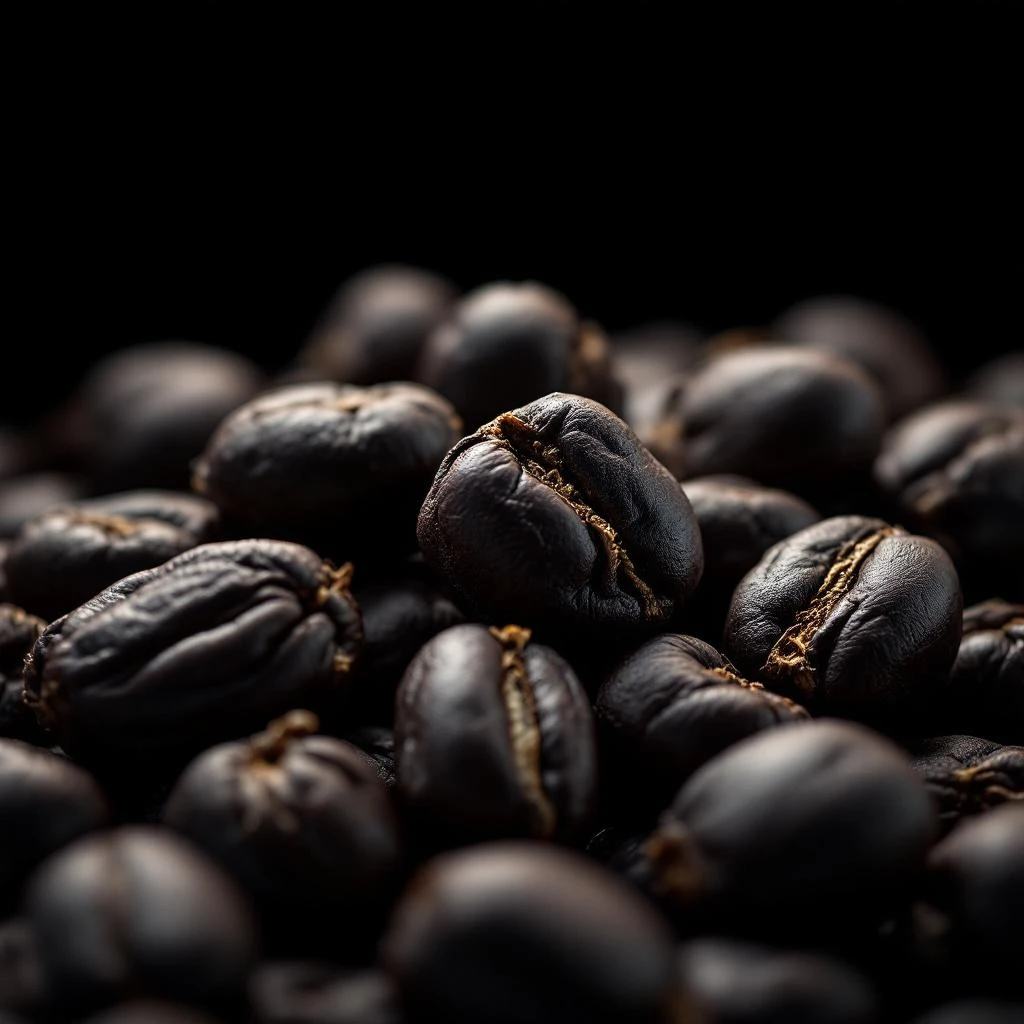
Vanilla orchid provides a warm, creamy sweetness with gourmand depth. In perfumery, it reads as a rich, almost buttery note with subtle floral undertones from its orchid origins. It adds roundness and comfort to fragrance bases, especially in oriental and gourmand compositions.



