The Story
Why it exists.
The beginning
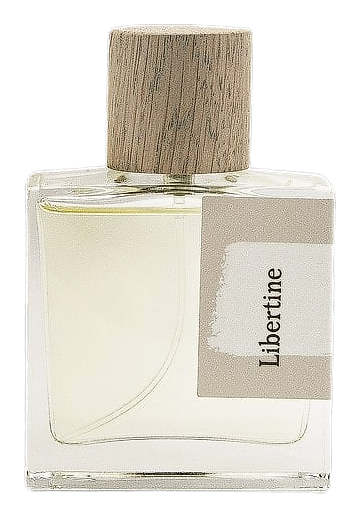
Libertine arrived in 2000, designed by perfumer Martin Gras as a counterpoint to Vivienne Westwood's 1998 debut Boudoir. Where Boudoir leaned vampish and historical, drawing from archived perfumes at the Versailles Osmotheque, Libertine was meant to be the lighter side of the house. The name itself is the provocation: a libertine, historically, was one who defied social convention, particularly regarding sexual and moral conduct. In Westwood's hands, it became a question posed to the English establishment. What if the monarchy smelled like summer?
The key tension here is between the tropical fruit opening and the classical chypre structure underneath. That combination, pineapple, passion fruit, and grapefruit meeting oakmoss and labdanum, isn't common. Fruity florals often go soft and forgettable. The chypre backbone keeps Libertine accountable to something older, something with weight and history. It's this marriage of playful sweetness and architectural restraint that makes the composition interesting rather than simply pleasant.
The evolution
The opening arrives bright and immediate, grapefruit first, then the tropical trio of pineapple and passion fruit charging in behind it. That initial burst holds for maybe twenty minutes before the florals begin to assert themselves. Honeysuckle and lily of the valley emerge next, with the rose appearing as a quiet accent rather than a statement. The bergamot keeps the whole heart phase feeling green and fresh, never heavy. Around the two-hour mark, the base takes over. The oakmoss arrives first, that signature chypre signature, slightly animalic, mossy in the way that only true oakmoss can be. Patchouli adds earth, musk adds warmth, and the amber-labladanum combination gives the drydown a resinous softness that extends the wear by several more hours. On most skin, expect the full arc to run eight to ten hours, with moderate sillage that stays close rather than announcing itself.
Cultural impact
Libertine occupies a specific niche within the chypre family: it's the version designed for someone who wants the structure and history of a classical chypre but finds traditional examples too severe. The tropical fruit opening makes the architecture accessible without dumbing it down. Wearers tend to describe it as the scent of someone who knows what they want and doesn't need to explain themselves, fresh and green, with a quiet confidence that doesn't argue for attention.