
The Story
Why it exists.
The beginning
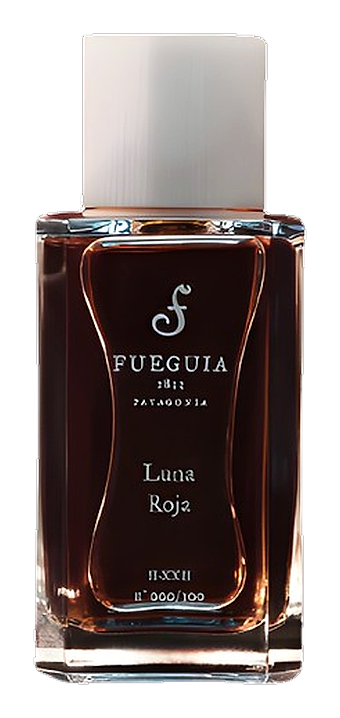
Luna Roja joins the Alquimia collection as a meditation on a particular kind of evening: a sky that turns copper over dark water, a room that holds warmth, and the feeling that time has stopped mattering. The fragrance steps away from the analytical approach that built the house. It asks something different: what happens when you stop cataloguing and start experiencing? The answer lives in three materials, oak, rose, and plum, combined with the ease of someone fully present in a moment. Luna Roja is the scent of a space that feels complete.
Oak, rose, and plum form a deceptively simple pyramid. Oak provides the structural backbone, a foundation that gives the composition its sense of permanence. Rose adds a floral darkness, a rich and shadowy quality that avoids both powdery softness and soapy cleanliness. Plum contributes the fruit element, bringing a depth and richness that feels natural rather than manufactured. The alchemy is in the proportions, each note large enough to matter, small enough to let the others breathe.
The evolution
Luna Roja opens with oak, warm, resinous, slightly tannic. Think of a wine cellar at dusk, barrels lined in amber glass. The oak doesn't punch; it builds. Within minutes, rose arrives, not a fresh blooming rose but something darker, like petals pressed in an old book. The fruit doesn't announce itself; plum arrives quietly, threading through the rose like color bleeding through fabric. By hour two, the composition settles into something skin-close and wine-dark. The sillage becomes intimate, almost an afterthought, except you're still catching it, hour after hour, from your own wrist. On fabric, the plum lingers longest. On skin, the oak and rose share the drydown equally. The next morning: a faint warmth, like sheets that remember.
Cultural impact
Luna Roja occupies a distinctive space in the fragrance world: the intimate evening fragrance that works best after dark. Wearers describe it as atmospheric, less perfume, more environment. It performs particularly well in fall and winter, where its deep, wine-dark warmth feels intentional and welcome. The scent rewards those who lean in rather than those who keep their distance, creating an intimate bubble that is best shared in close quarters.
The House
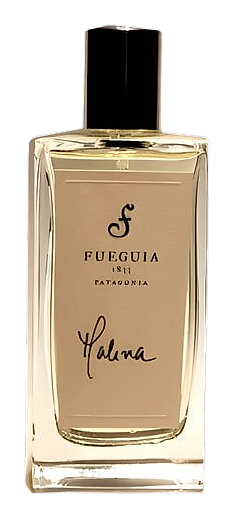
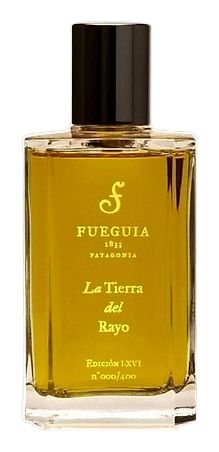
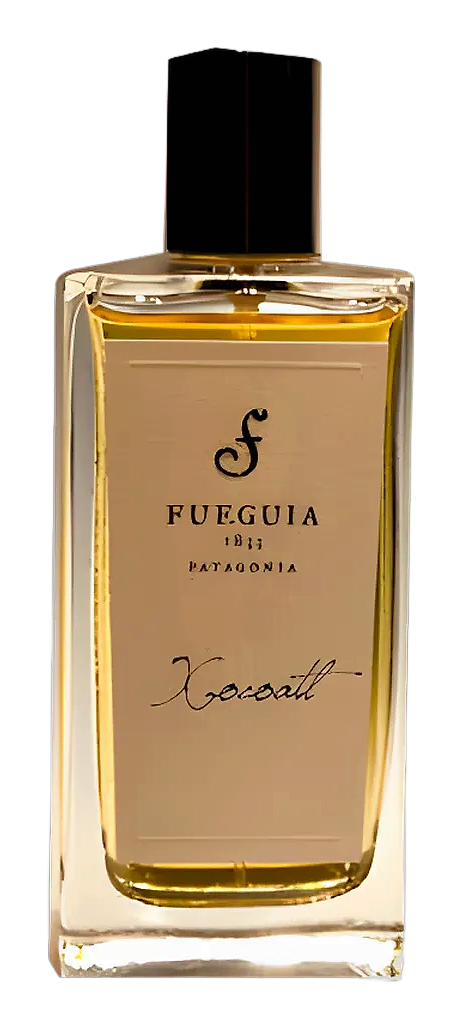
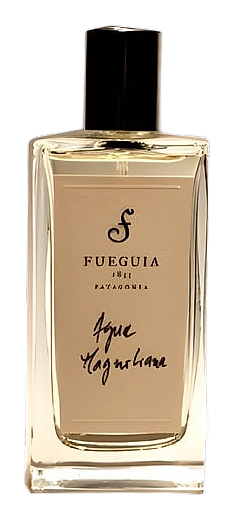
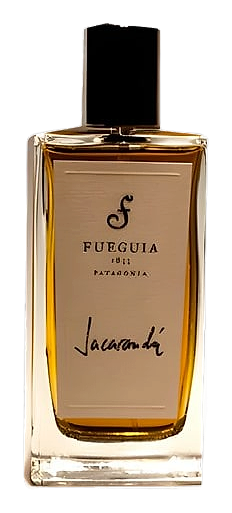
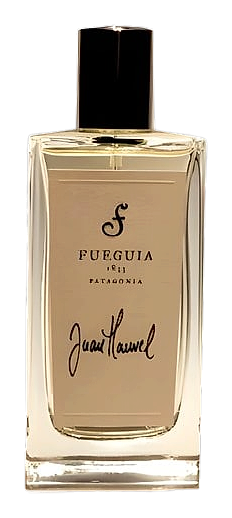
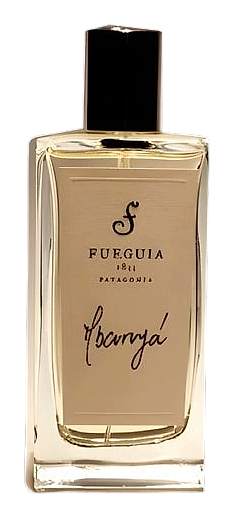
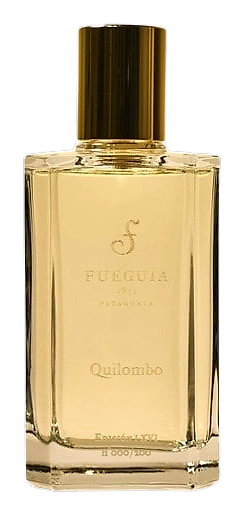
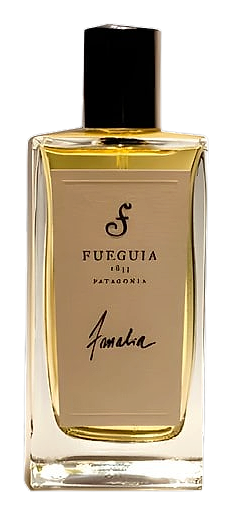
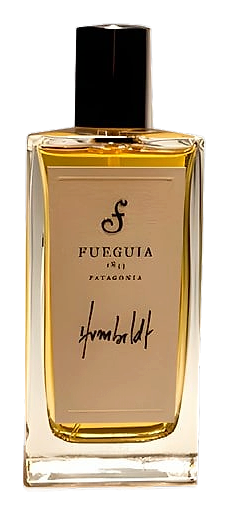
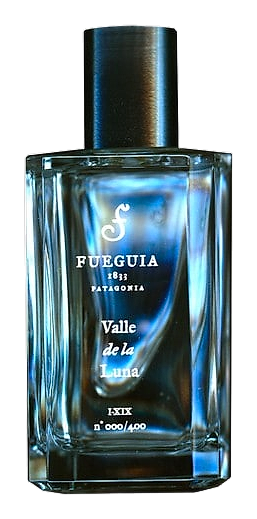
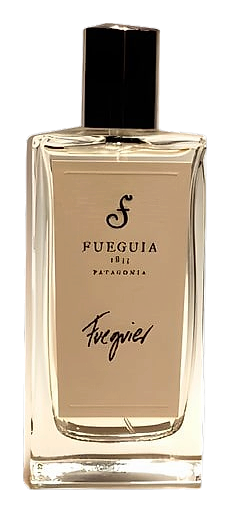
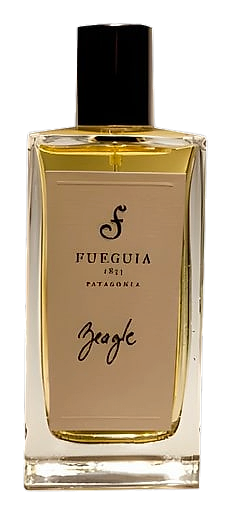
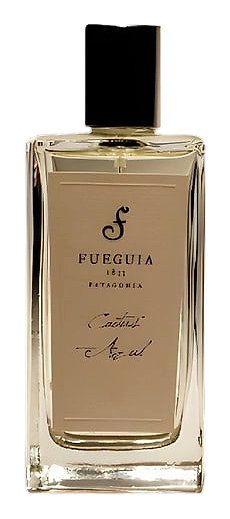
Fueguia 1833Fueguia 1833 is an Argentine fragrance house that creates limited‑edition scents rooted in the botanical heritage of Patagonia. Each perfume draws on medicinal plants harvested from the region’s wild landscapes, and the brand presents its creations as vintage‑style bottles that evoke a sense of travel and memory. The house operates a vertically integrated supply chain, growing, extracting and bottling its own raw materials, which allows it to maintain tight control over quality and environmental impact. Its collections, such as Rosa de los Vientos (2018) and Oud Jungle (2022), have attracted collectors who value authenticity and a narrative that links scent to place.
The Creator
Julian BedelJulian favors a palette that mixes rare South American botanicals with classic European absolutes. He often extracts essential oils from medicinal herbs such as catuaba, calafate and patagonian tea, then anchors them with ambergris, cedar and fine musks.